In the competitive world of premium streetwear, every design decision carries significant brand weight. One of the most consistent choices made by leading streetwear labels is the heavy weight t shirt. This is not simply a material preference — it is a deliberate strategic decision rooted in quality standards, customer expectations, and long-term brand positioning. Understanding why a heavy weight t shirt consistently outperforms lighter alternatives helps explain why so many premium labels refuse to compromise on fabric weight.
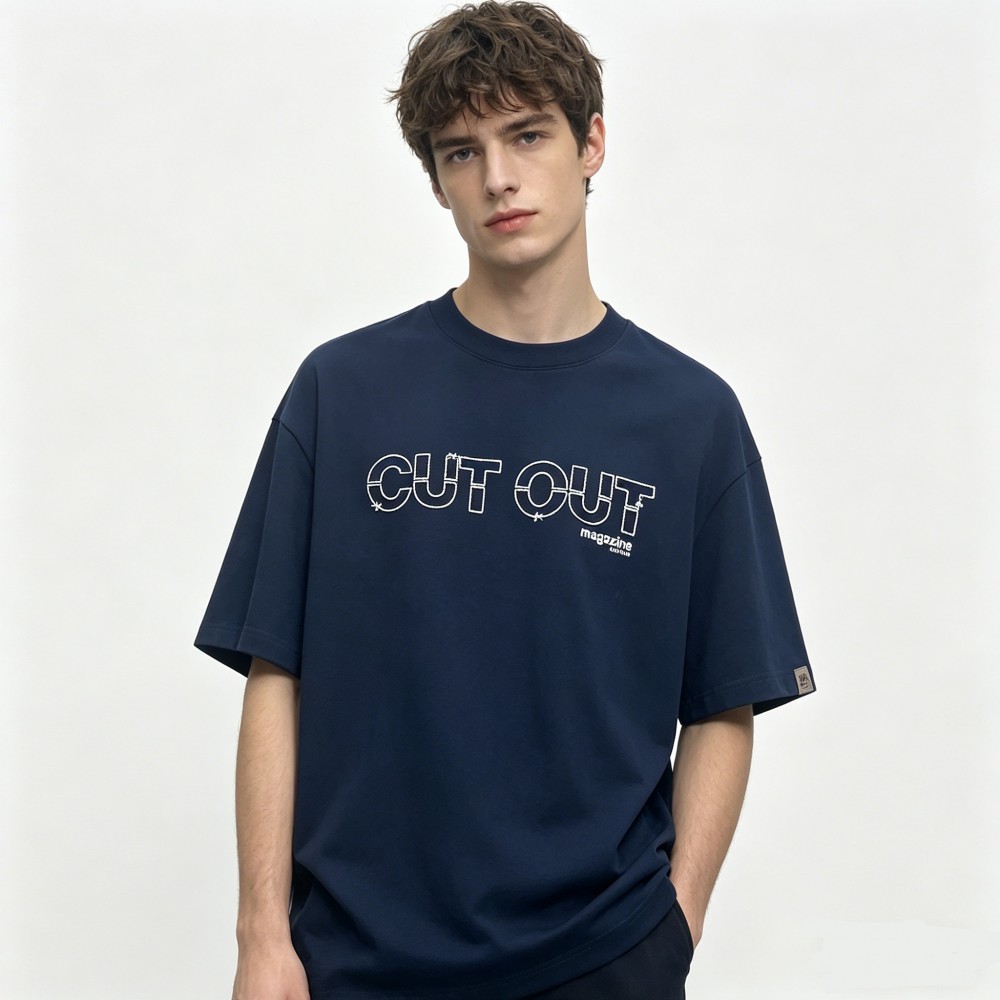
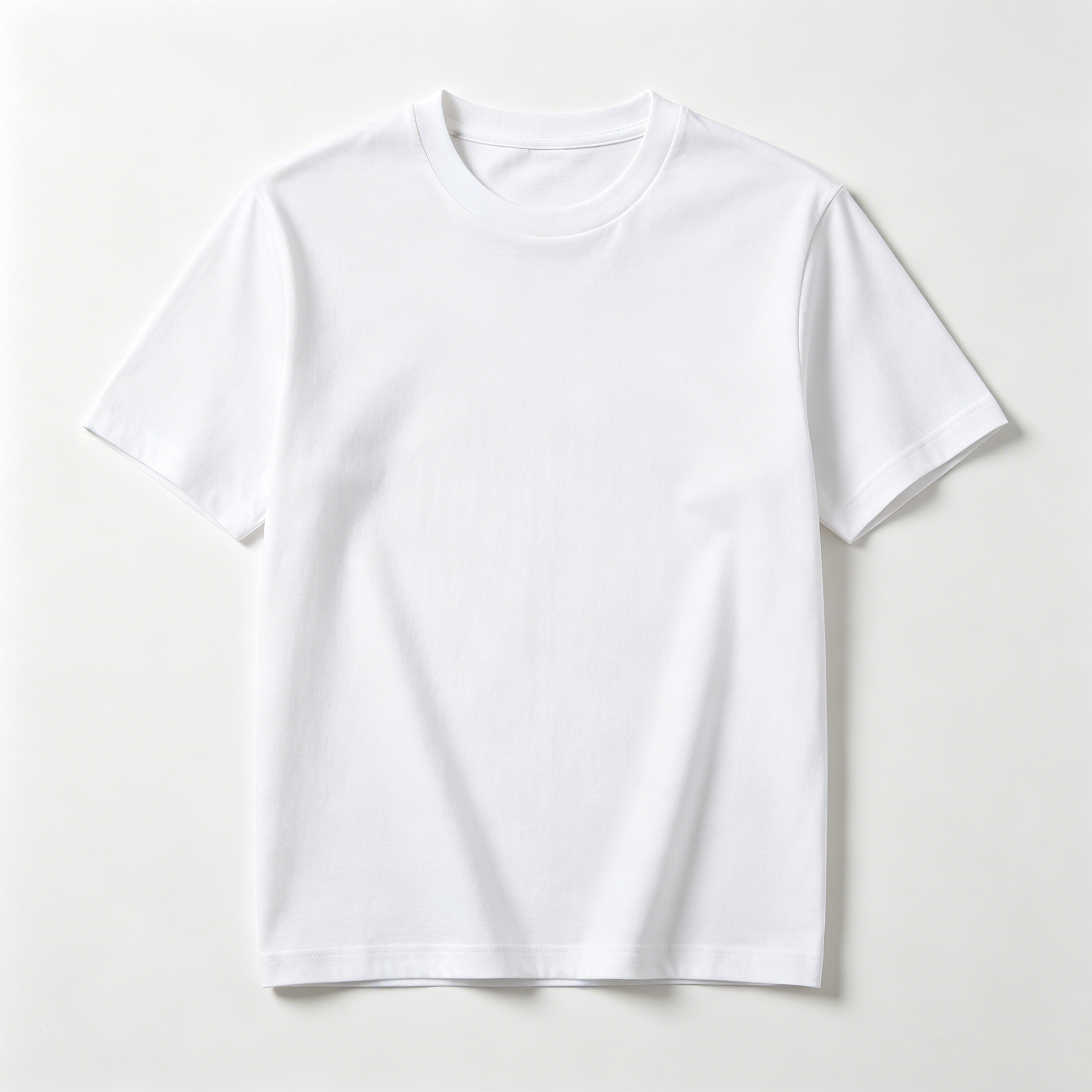
A heavy weight t shirt typically refers to garments constructed from fabrics weighing 220 GSM or above. This additional fabric density gives a heavy weight t shirt its characteristic structure, durability, and premium hand feel. For streetwear brands that build their identity around quality craftsmanship and bold visual statements, the heavy weight t shirt serves as both a canvas and a signature. Labels that invest in a heavy weight t shirt are communicating something powerful to their customers: that every detail matters and nothing has been cut short.
The Quality Signals a Heavy Weight T Shirt Sends
Fabric Density as a Brand Statement
When a customer picks up a heavy weight t shirt, the first impression is tactile. The fabric feels dense, substantial, and premium in a way that thinner alternatives simply cannot replicate. Premium streetwear labels understand that a heavy weight t shirt delivers an immediate quality signal before the customer even tries it on. This first-touch experience is critical in retail environments where a brand must differentiate itself from mass-market competitors. A heavy weight t shirt communicates that the brand prioritizes material integrity over cost reduction.
A heavy weight t shirt also holds its shape over time in ways that lighter fabrics cannot. When a customer washes and wears a heavy weight t shirt repeatedly, the garment maintains its structure rather than becoming thin or misshapen. For premium streetwear labels, this longevity matters enormously. A heavy weight t shirt that lasts reinforces customer loyalty and strengthens word-of-mouth reputation. Brands that sell a heavy weight t shirt are effectively selling a durable product experience, not just a single wear item.
Print Quality and Graphic Retention
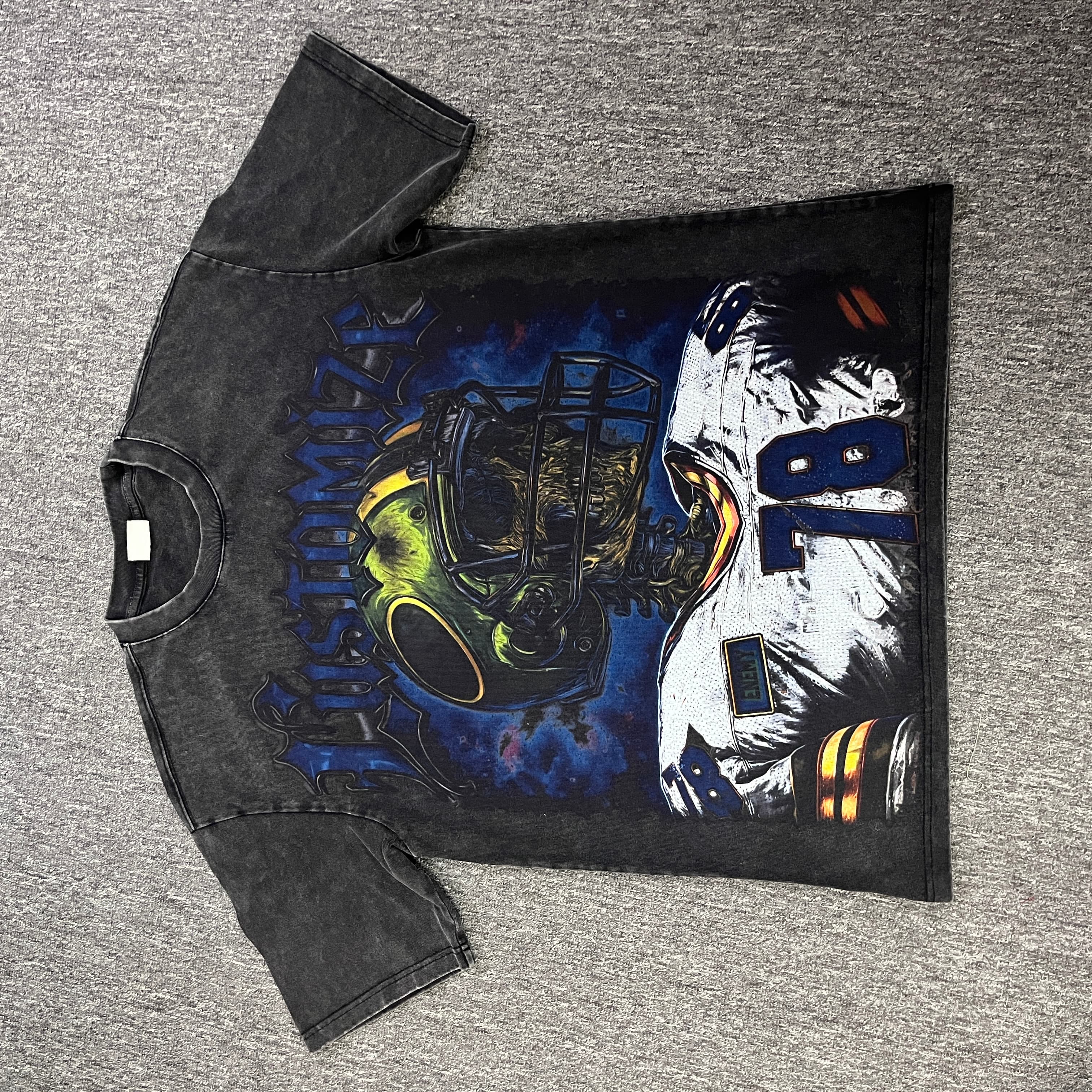
Streetwear identity is built on strong graphic expression. Bold screen prints, oversized logos, and intricate artwork are central to streetwear aesthetics. A heavy weight t shirt provides a firmer, more stable base for high-impact graphics. On a lighter fabric, prints can crack, fade, or distort after minimal washing. A heavy weight t shirt holds print applications more securely because the fabric is less prone to stretching or surface degradation. Labels that invest heavily in custom graphic work naturally prefer a heavy weight t shirt to protect that investment and maintain visual integrity across the garment's lifespan.
How Heavy Weight T Shirt Design Supports Streetwear Silhouettes
Structure That Defines the Silhouette
Modern streetwear frequently features oversized, boxy, or drop-shoulder silhouettes. These shapes depend on fabric structure to fall correctly and look intentional rather than sloppy. A heavy weight t shirt naturally supports these proportions because the fabric has enough body to hold the intended shape without clinging or collapsing. When a brand designs an oversized silhouette using a heavy weight t shirt, the garment drapes with authority and purpose. A lighter fabric would make the same silhouette appear shapeless or poorly constructed, undermining the entire design concept.
The structured drape of a heavy weight t shirt also photographs exceptionally well. In an era where streetwear brands rely heavily on social media content and lookbook imagery, the way a garment photographs influences purchase decisions. A heavy weight t shirt holds its shape under studio lighting and on-location shoots, ensuring the garment looks as designed rather than deflated. Brands that understand content-driven marketing recognize the visual advantage of building collections around a heavy weight t shirt base.
Layering Versatility in Streetwear Styling
Streetwear culture embraces layering as a core styling technique. A heavy weight t shirt performs excellently as a layering piece because it maintains its visual presence even when worn under outerwear or alongside other garments. A thin t-shirt can disappear visually beneath a jacket or hoodie, but a heavy weight t shirt retains definition and adds texture to layered looks. This styling versatility makes a heavy weight t shirt a more functional investment for customers who build complex outfits, and premium labels recognize that functional value supports premium pricing.
Why Heavy Weight T Shirt Production Aligns With Premium Brand Strategy
Justifying Premium Price Points
Premium streetwear brands operate in a market segment where price point must be supported by tangible product quality. A heavy weight t shirt provides concrete justification for higher retail prices because the material cost, construction quality, and finished product experience are visibly superior. Customers who understand fabric weight will immediately recognize the difference between a heavy weight t shirt and a standard option, validating the premium price. For brands that position themselves above fast fashion, the heavy weight t shirt is an essential tool for establishing and defending that positioning.
Beyond pricing, a heavy weight t shirt also reduces return rates and customer complaints related to fit distortion or premature wear. When a brand sells a heavy weight t shirt that holds up over time, the after-sales experience is significantly better. Fewer returns and higher customer satisfaction contribute directly to brand profitability and reputation. A heavy weight t shirt is therefore not just a product decision but a business strategy that reduces costs elsewhere in the brand operation.
OEM and ODM Flexibility for Custom Collections
Many premium streetwear labels work with OEM and ODM manufacturers to produce exclusive heavy weight t shirt styles that reflect their unique brand DNA. Custom fabric weights, specific GSM specifications, bespoke cuts, and exclusive color palettes are all achievable through OEM production of a heavy weight t shirt. This level of customization is simply not available through standard retail supply chains. By sourcing a heavy weight t shirt through dedicated manufacturing partners, streetwear labels maintain full creative control while benefiting from professional production quality. The result is a heavy weight t shirt that feels entirely proprietary, strengthening brand distinctiveness in a crowded marketplace.
What GSM is considered a heavy weight t shirt?
A heavy weight t shirt is generally classified as a garment made from fabric weighing 220 GSM or above. Many premium streetwear labels prefer a heavy weight t shirt in the 240 to 320 GSM range for maximum structure, durability, and premium hand feel. The specific GSM chosen for a heavy weight t shirt depends on the brand's intended silhouette, seasonal requirements, and target price point.
Can a heavy weight t shirt be produced in oversized fits?
Yes, a heavy weight t shirt is particularly well-suited to oversized and boxy silhouettes. The fabric density in a heavy weight t shirt provides the structural support needed for oversized proportions to fall correctly and look intentional. Many streetwear labels specifically combine an oversized fit with a heavy weight t shirt construction to achieve the bold, structured aesthetic that defines contemporary streetwear design.
Is a heavy weight t shirt suitable for screen printing and graphic applications?
Absolutely. A heavy weight t shirt is one of the preferred bases for screen printing, DTG printing, and embroidery applications. The dense fabric surface of a heavy weight t shirt provides a stable, firm base that holds ink and thread applications more securely than lighter alternatives. Graphic retention across multiple washes is significantly better on a heavy weight t shirt, making it the practical choice for streetwear brands that invest in complex or large-scale graphic designs.
 EN
EN