 EN
EN
Why do premium streetwear brands choose stone wash treatments for their tees?
2026/07/23
Create stone wash streetwear with Liangshan, covering T-shirts, hoodies, custom samples, bulk production, QC and export support.


2026/07/07
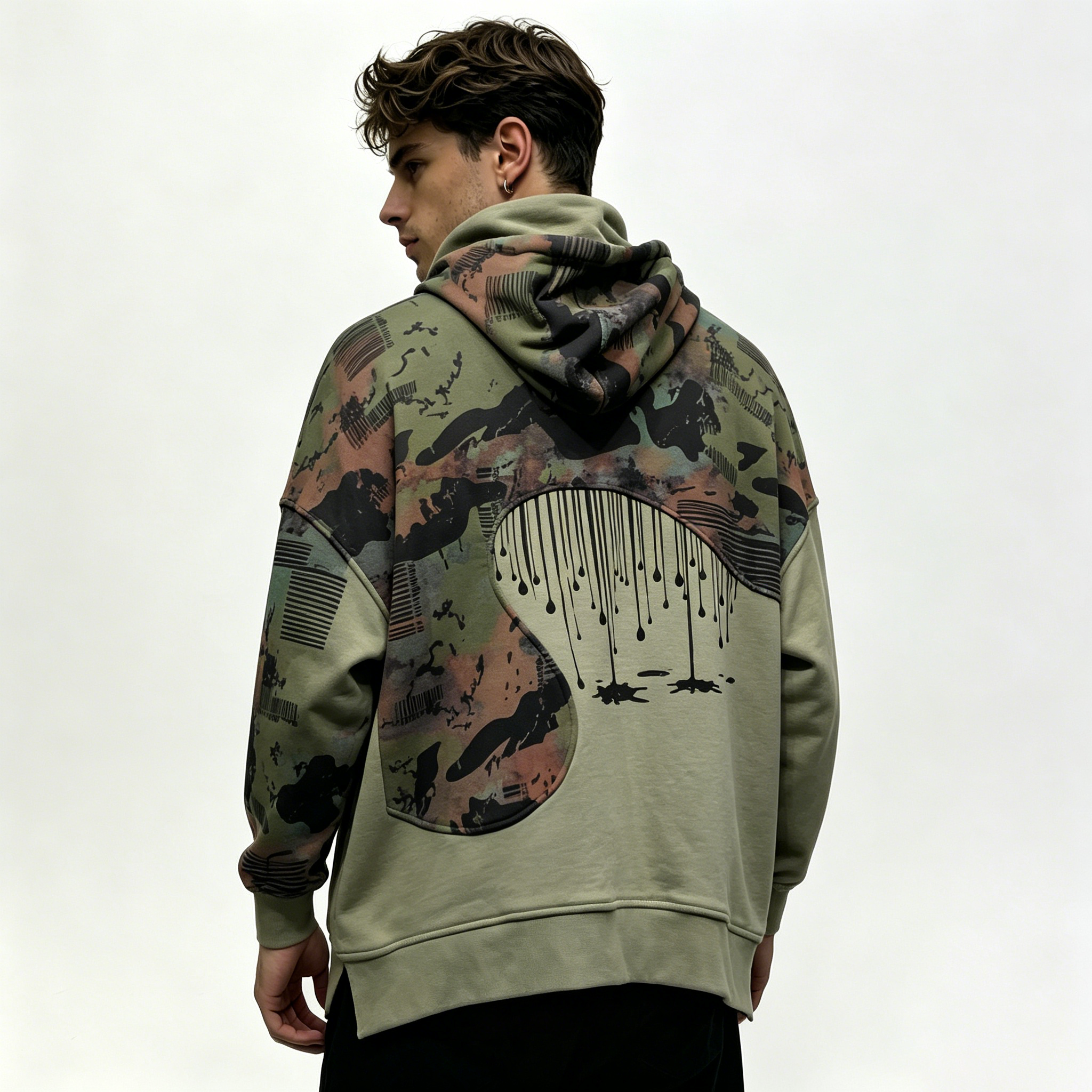
When cold weather hits and outdoor plans are on your schedule, choosing the right layer becomes critical. Fleece hoodies are among the most practical and popular choices for outdoor enthusiasts, offering a reliable balance of warmth, breathability, and comfort. However, not all fleece hoodies are created equal, and picking the warmest option requires understanding what separates a truly high-performing fleece hoodies from a basic casual pullover. Whether you are hiking, camping, or simply spending time outdoors in autumn or winter, the right fleece hoodies can make a genuine difference to your experience.

The market offers a wide variety of fleece hoodies, ranging from lightweight options to heavyweight thermal designs built for serious cold. Understanding the key factors that affect warmth, durability, and outdoor performance will help you make a confident decision. This guide walks through the essential criteria you should evaluate before investing in fleece hoodies for cold weather outdoor activities, so you never have to compromise on warmth when you need it most.
The single most important factor when evaluating fleece hoodies for cold weather is fabric weight. Measured in grams per square meter, fabric weight directly determines how much thermal insulation fleece hoodies can provide. Lightweight fleece hoodies, typically ranging from 100 to 200 GSM, are suitable for mild cool conditions but will fall short in genuinely cold outdoor environments. Midweight fleece hoodies in the 200 to 300 GSM range offer a better balance, while heavyweight fleece hoodies exceeding 300 GSM are purpose-built for low temperatures and extended outdoor exposure.
For cold weather outdoor activities, prioritizing heavyweight fleece hoodies is a smart strategy. The denser fiber construction in heavyweight fleece hoodies traps more air between the fibers, which is exactly how fleece insulation works to retain body heat. When you compare fleece hoodies side by side, always check the GSM specification before assuming that thicker-looking fleece hoodies will necessarily perform better. Actual fabric density is what counts, not just surface appearance.
Beyond weight, the pile type of fleece hoodies influences both warmth and wind resistance. Sherpa-lined fleece hoodies feature a textured inner surface that mimics wool, dramatically increasing warmth retention. Polar fleece hoodies use a tightly knit polyester base that resists wind better than open-pile fleece hoodies. Brushed fleece hoodies offer a soft, smooth inner surface that feels comfortable against the skin during extended wear. For cold weather outdoor activities, fleece hoodies with a denser pile on the interior consistently outperform standard single-layer fleece hoodies in thermal retention tests and real-world use.
The warmth of fleece hoodies is not only determined by the fabric. Fit plays an equally significant role in cold weather performance. Fleece hoodies that fit too loosely allow cold air to circulate freely inside the garment, reducing the heat-trapping effect. Fleece hoodies that are slightly fitted or offer an adjustable hem create a sealed pocket of warm air around the torso, which is far more effective during outdoor activities. When shopping for fleece hoodies, consider how the garment will sit over a base layer, since layering is a fundamental strategy in cold weather dressing.
Coverage design also matters when comparing fleece hoodies. Fleece hoodies with a deep hood, long hem, and extended cuffs provide significantly better protection than fleece hoodies with a shallow hood or short body length. For outdoor activities in particular, fleece hoodies with an adjustable drawstring hood allow you to seal off wind and cold air at the neck and head, which are the areas through which body heat escapes most rapidly. A well-fitted pair of fleece hoodies designed with coverage in mind will outperform a heavier but poorly designed alternative in real outdoor conditions.
Many high-performance fleece hoodies incorporate a half-zip or full-zip opening, which gives you greater control over temperature regulation. A half-zip design in fleece hoodies is particularly useful when you are active outdoors and need to quickly release heat without removing the garment entirely. Full-zip fleece hoodies offer the most flexibility for layering, since they can be opened or closed based on changing weather conditions. When choosing fleece hoodies for cold outdoor activities, a zip opening adds versatility that a pure pullover style cannot match. This feature is especially useful on variable-temperature days where conditions shift between exertion and rest.
For outdoor use, fleece hoodies must withstand repeated washing, abrasion from backpacks and equipment, and exposure to wind and moisture. Polyester-based fleece hoodies are the most common and durable choice, as polyester retains its shape and warmth even after multiple wash cycles. Fleece hoodies made with a polyester blend that includes spandex or elastane offer improved stretch and recovery, which is important when moving through varied terrain. Avoid fleece hoodies that use a very low-grade polyester, as these tend to pill quickly, degrading both the appearance and the insulating capability of the fleece hoodies over time.
Construction quality in fleece hoodies is often revealed in the details. Reinforced stitching at the shoulders and cuffs extends the lifespan of fleece hoodies significantly under outdoor use. Flatlock seams in fleece hoodies reduce irritation during extended wear, which matters greatly during hiking or other high-movement activities. Some fleece hoodies also offer customized graphic options, allowing teams, outdoor groups, or businesses to brand their fleece hoodies for events or uniforms. When evaluating construction, check that the fleece hoodies have even, tight stitching throughout, as loose or skipped stitches are a reliable indicator of lower durability in outdoor-grade fleece hoodies.
Fleece hoodies above 300 GSM are generally classified as heavyweight and are well-suited to cold weather outdoor activities. At this fabric density, fleece hoodies trap significantly more heat than lighter alternatives, making them a reliable choice for autumn and winter outdoor use.
In moderately cold conditions, heavyweight fleece hoodies can serve as a standalone outer layer. However, in extreme cold or wet weather, fleece hoodies are best used as a mid-layer beneath a waterproof shell. The combination of fleece hoodies with an outer shell delivers both insulation and weather protection.
To preserve the insulating performance of fleece hoodies, wash them on a gentle cycle using cold water and avoid fabric softeners, which can flatten the fleece pile. Tumble dry fleece hoodies on low heat or air dry them to prevent fiber damage. Proper care ensures that your fleece hoodies maintain their loft and warmth through many seasons of outdoor use.

2026/07/23
Create stone wash streetwear with Liangshan, covering T-shirts, hoodies, custom samples, bulk production, QC and export support.

2026/07/20
Can stone wash finish be applied to heavyweight cotton hoodies? Yes — discover how it enhances durability, aesthetics, and commercial value. Learn best practices now.

2026/07/13
How Chinese streetwear is reshaping global urban fashion through cultural design, OEM/ODM wholesale access, and hip-hop silhouettes. Discover why retailers source now.

2026/07/06
Explore Chinese streetwear OEM manufacturing for T-shirts and hoodies. Liangshan supports custom samples, bulk production and export orders.
2026/07/01
Explore Chinese streetwear OEM manufacturing for T-shirts and hoodies. Liangshan supports custom samples, bulk production and export orders.