 EN
EN
Why do premium streetwear brands choose stone wash treatments for their tees?
2026/07/23
Create stone wash streetwear with Liangshan, covering T-shirts, hoodies, custom samples, bulk production, QC and export support.
2026/07/06
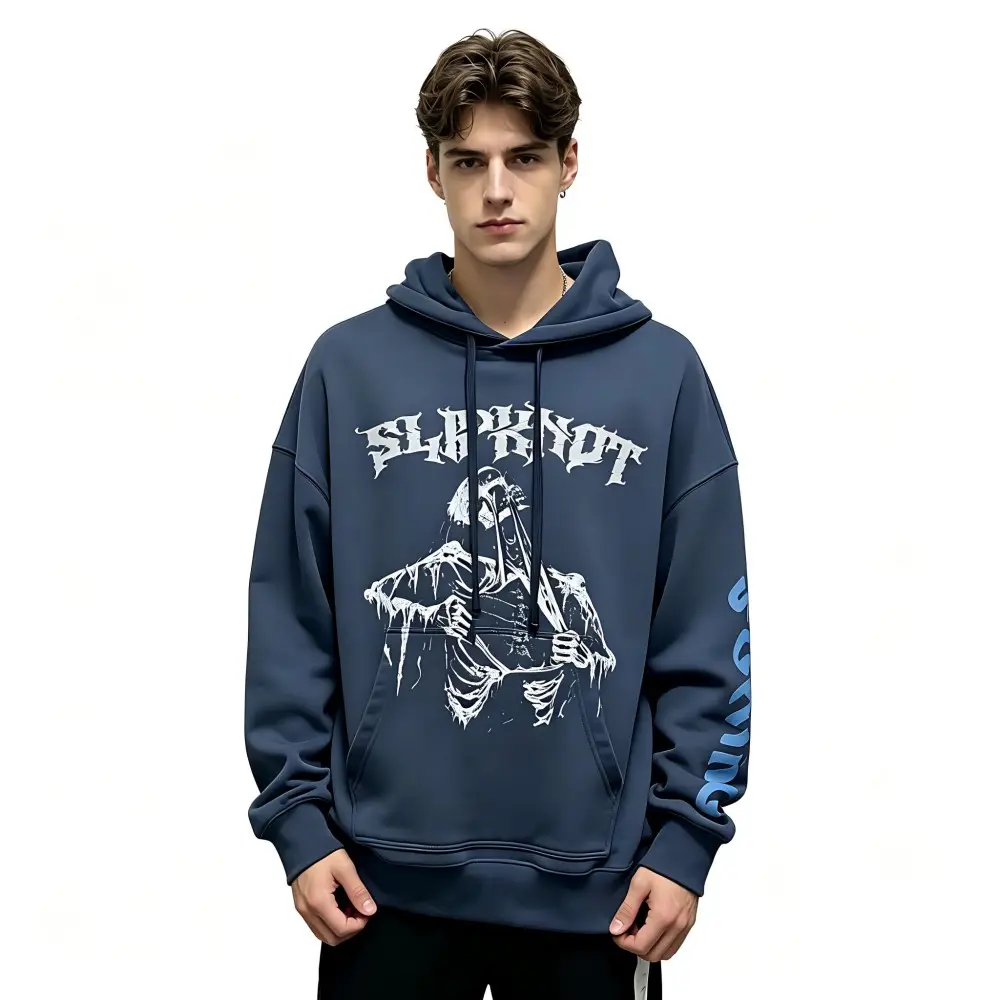
The rise of chinese streetwear has reshaped how the world sees Asian fashion. What began as an underground youth movement has grown into a globally recognized creative force, drawing heavily from centuries of Chinese cultural heritage while simultaneously embracing the raw energy of modern urban life. Chinese streetwear is no longer simply imitation of Western trends — it is a confident, layered, and deeply rooted expression of identity.
Understanding how chinese streetwear designers bridge the gap between past and present requires looking at both the cultural materials they draw from and the design language they use to make those materials feel fresh. Chinese streetwear is built on creative tension — tradition pulls in one direction, contemporary aesthetics pull in another, and the result is something entirely new. This article explores the core methods designers use to achieve that balance, and why chinese streetwear continues to grow in influence across both domestic and international markets.
One of the most defining features of chinese streetwear is its use of traditional iconography. Dragons, phoenixes, cranes, lotus flowers, and tigers are not simply decorative elements in chinese streetwear — they carry layered symbolic meaning rooted in Chinese mythology, philosophy, and folklore. Designers working in chinese streetwear understand that these symbols carry cultural weight, and they use them strategically to communicate identity rather than just aesthetics. When a dragon graphic appears on an oversized drop-shoulder tee in chinese streetwear, it is simultaneously a nod to dynasty-era art and a statement of modern pride.
Chinese streetwear also draws heavily from ink-wash painting techniques, calligraphic brushwork, and seal script typography. These visual systems have an entirely different visual rhythm from Western graphic design, and chinese streetwear designers use that contrast deliberately. The result is a visual language that feels unmistakably rooted in Chinese culture while fitting naturally into the fast-paced, image-driven world of global chinese streetwear culture.
Beyond graphics, chinese streetwear incorporates traditional fabric traditions in ways that go far beyond surface decoration. Silk jacquard, brocade weaves, and embroidery techniques developed across Chinese dynasties now appear in chinese streetwear silhouettes that would feel at home on any international runway or urban block. Chinese streetwear designers often collaborate with regional artisans who specialize in these heritage techniques, bringing craft knowledge that might otherwise disappear into a modern commercial context. This approach makes chinese streetwear both a cultural preservation effort and a forward-looking design practice.
Chinese streetwear does not simply print traditional motifs onto Western-style garments. The most thoughtful chinese streetwear designers reimagine traditional garment structures — the Tang suit collar, the Hanfu layered silhouette, the Qipao's structural shaping — and rebuild them using contemporary proportions and relaxed fits. This process creates chinese streetwear pieces that feel architecturally distinct. A shirt in chinese streetwear might carry a mandarin collar, asymmetric closure, and an oversized boxy cut all at once, creating a garment that references history without being costumed or nostalgic.
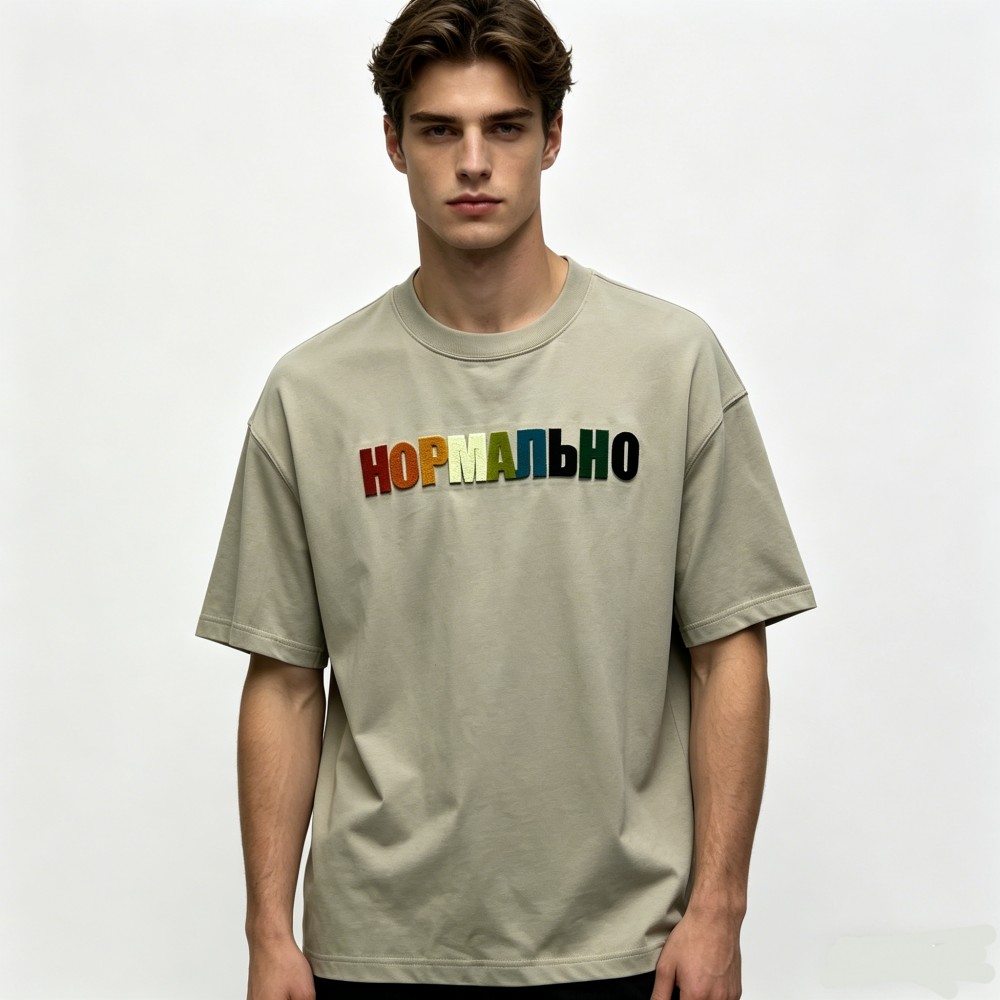
This structural approach is critical to what makes chinese streetwear genuinely innovative. Many fashion movements borrow surface-level cultural details, but chinese streetwear often goes deeper, rethinking how garments are constructed, how they drape, and how they move. The result is chinese streetwear that has its own physical presence — something wearers can feel as much as see.
Color plays a powerful role in chinese streetwear and is another area where tradition directly informs modern design choices. Imperial reds, jade greens, deep indigos, and earthy ochres all carry historical significance in Chinese visual culture, and chinese streetwear designers use these palettes intentionally. At the same time, chinese streetwear embraces the washed neutrals, contrast blocking, and tonal layering common in global streetwear aesthetics. The interplay between these two color systems gives chinese streetwear a visual identity that is immediately recognizable without feeling formulaic.
The Guochao wave — literally translated as 'national trend' — has been one of the most powerful forces shaping chinese streetwear over the past decade. Guochao represents a shift in consumer attitude, where younger Chinese buyers actively prefer domestic brands that celebrate Chinese identity over imported luxury labels. This cultural momentum gave chinese streetwear designers both commercial opportunity and creative permission to go deeper into their heritage. Chinese streetwear labels that once hedged toward Western aesthetics began confidently leaning into Chinese identity, with stronger cultural references and bolder visual statements. Chinese streetwear under the Guochao influence became a form of cultural pride made wearable.
The best chinese streetwear collections are not just visually interesting — they tell stories. Designers build chinese streetwear collections around specific historical periods, regional folk traditions, classical literature, or philosophical concepts. This narrative depth is part of what separates the most compelling chinese streetwear from generic graphic apparel. A chinese streetwear collection inspired by Tang Dynasty poetry carries entirely different energy from one referencing Song Dynasty landscape painting, and both feel distinct from chinese streetwear drawing on Daoist visual symbolism. This storytelling approach gives chinese streetwear cultural coherence and long-term creative richness.
Chinese streetwear is specifically rooted in Chinese cultural heritage — drawing from Chinese mythology, dynastic garment traditions, calligraphy, and the Guochao national identity movement. While Asian streetwear is a broad category covering many countries and cultural references, chinese streetwear has a highly specific visual and conceptual foundation that makes it distinct in both its aesthetics and its cultural meaning.
Successful chinese streetwear designers treat cultural references with genuine research and respect rather than surface-level borrowing. They often work with cultural historians, traditional artisans, or community advisors to ensure that chinese streetwear references are accurate and meaningful. At the same time, they apply modern design thinking to make chinese streetwear wearable, versatile, and visually compelling for contemporary audiences both in China and globally.
Yes, chinese streetwear has demonstrated strong international appeal, particularly among younger consumers who are interested in cultural diversity and authentic design stories. The visual language of chinese streetwear — its bold graphics, distinctive silhouettes, and rich color systems — translates well across different markets. As global interest in non-Western fashion narratives continues to grow, chinese streetwear is well positioned to reach new audiences through both retail and OEM manufacturing partnerships.
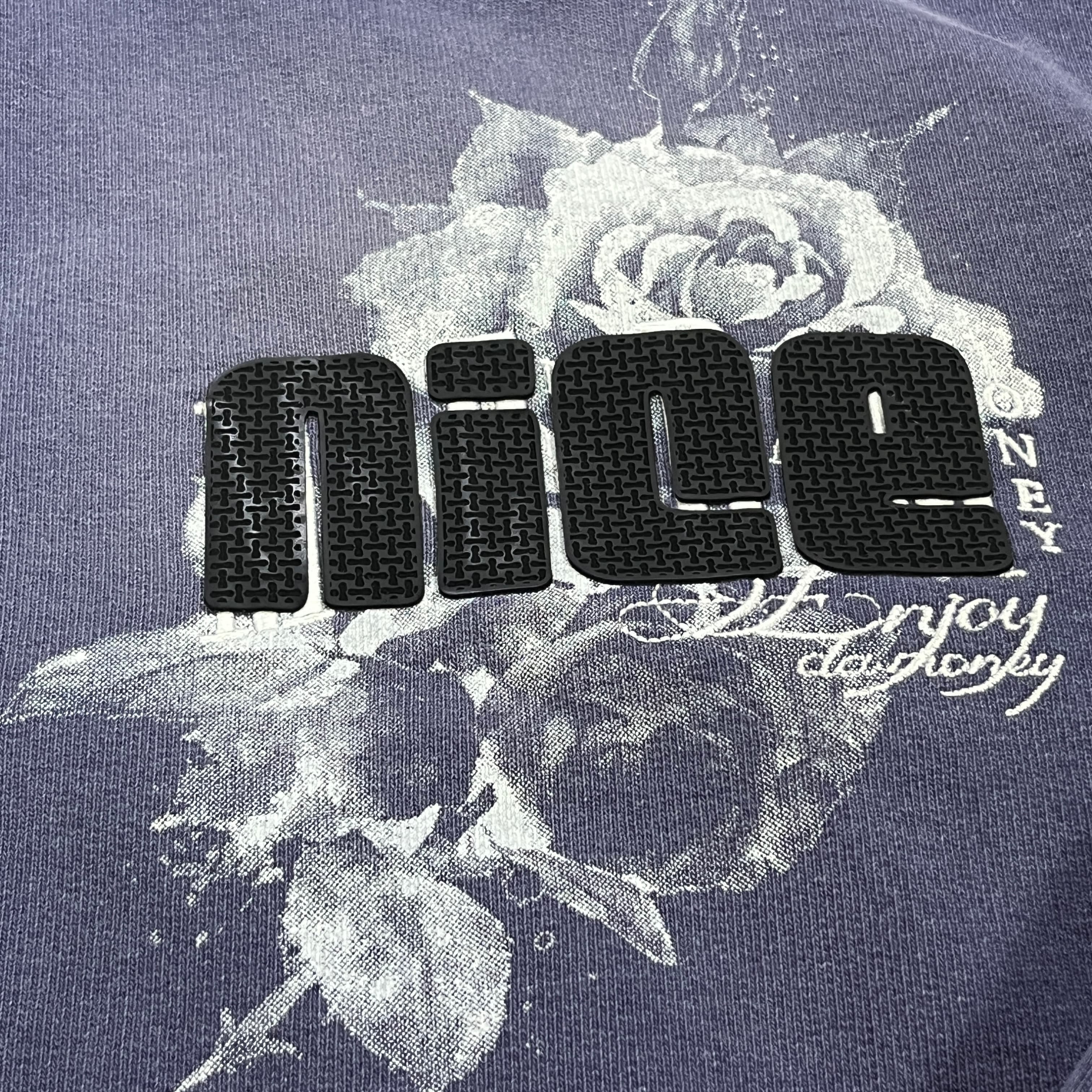
2026/07/23
Create stone wash streetwear with Liangshan, covering T-shirts, hoodies, custom samples, bulk production, QC and export support.
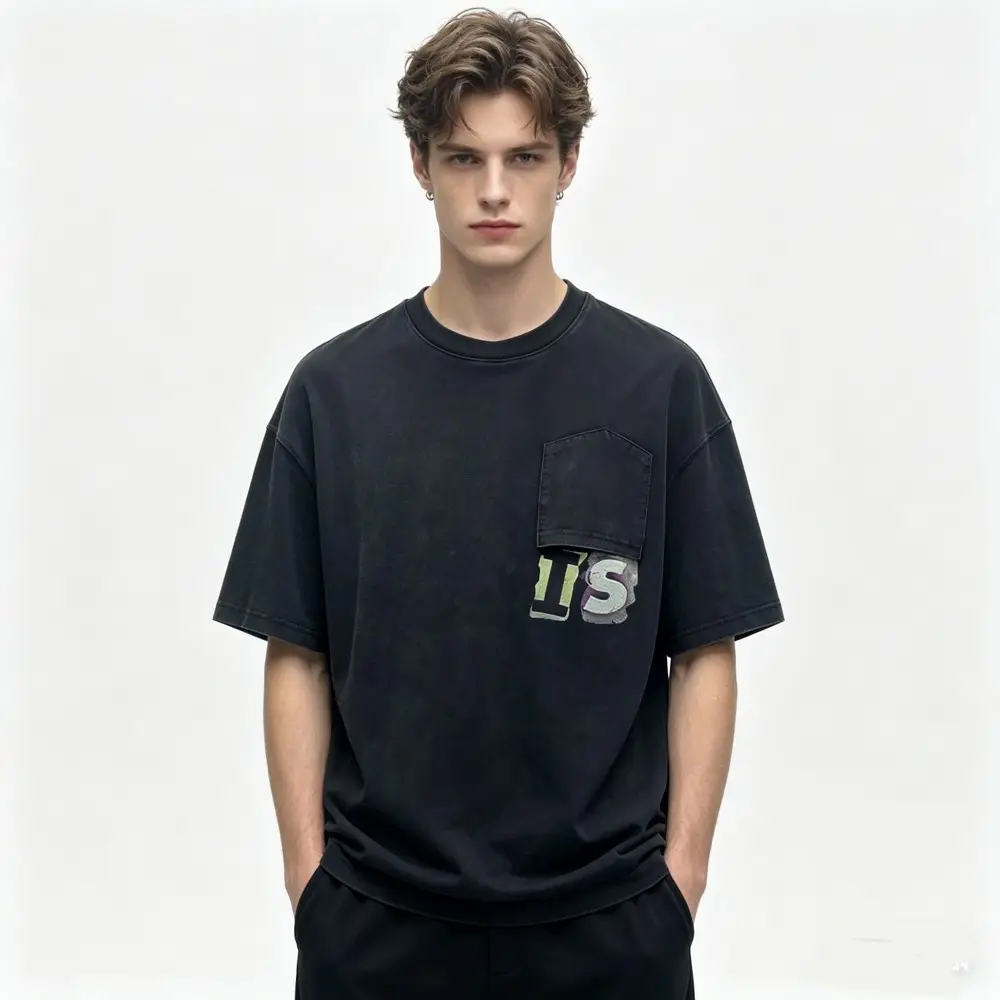
2026/07/20
Can stone wash finish be applied to heavyweight cotton hoodies? Yes — discover how it enhances durability, aesthetics, and commercial value. Learn best practices now.
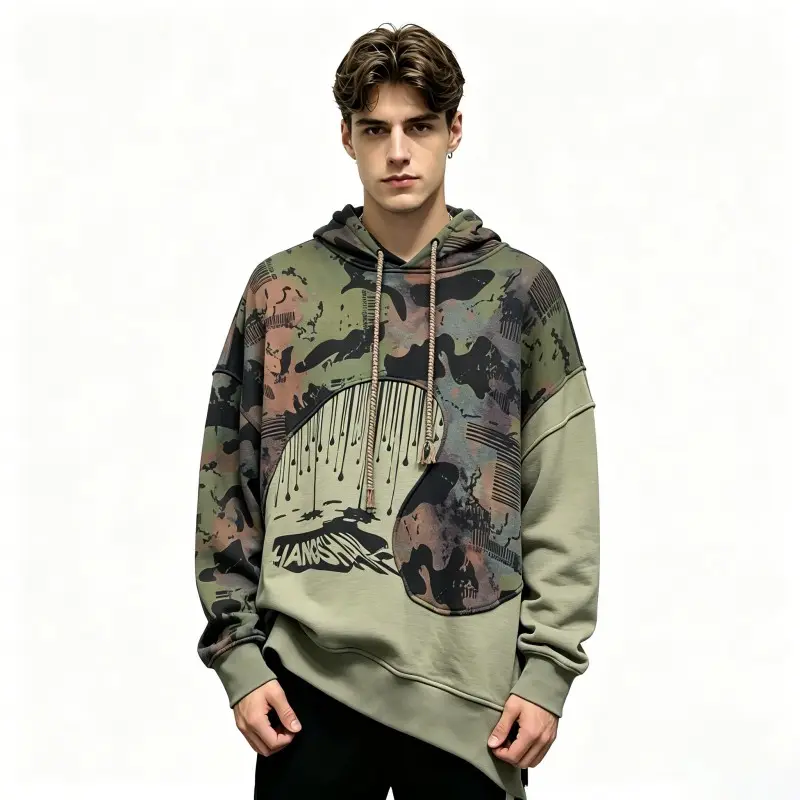
2026/07/13
How Chinese streetwear is reshaping global urban fashion through cultural design, OEM/ODM wholesale access, and hip-hop silhouettes. Discover why retailers source now.
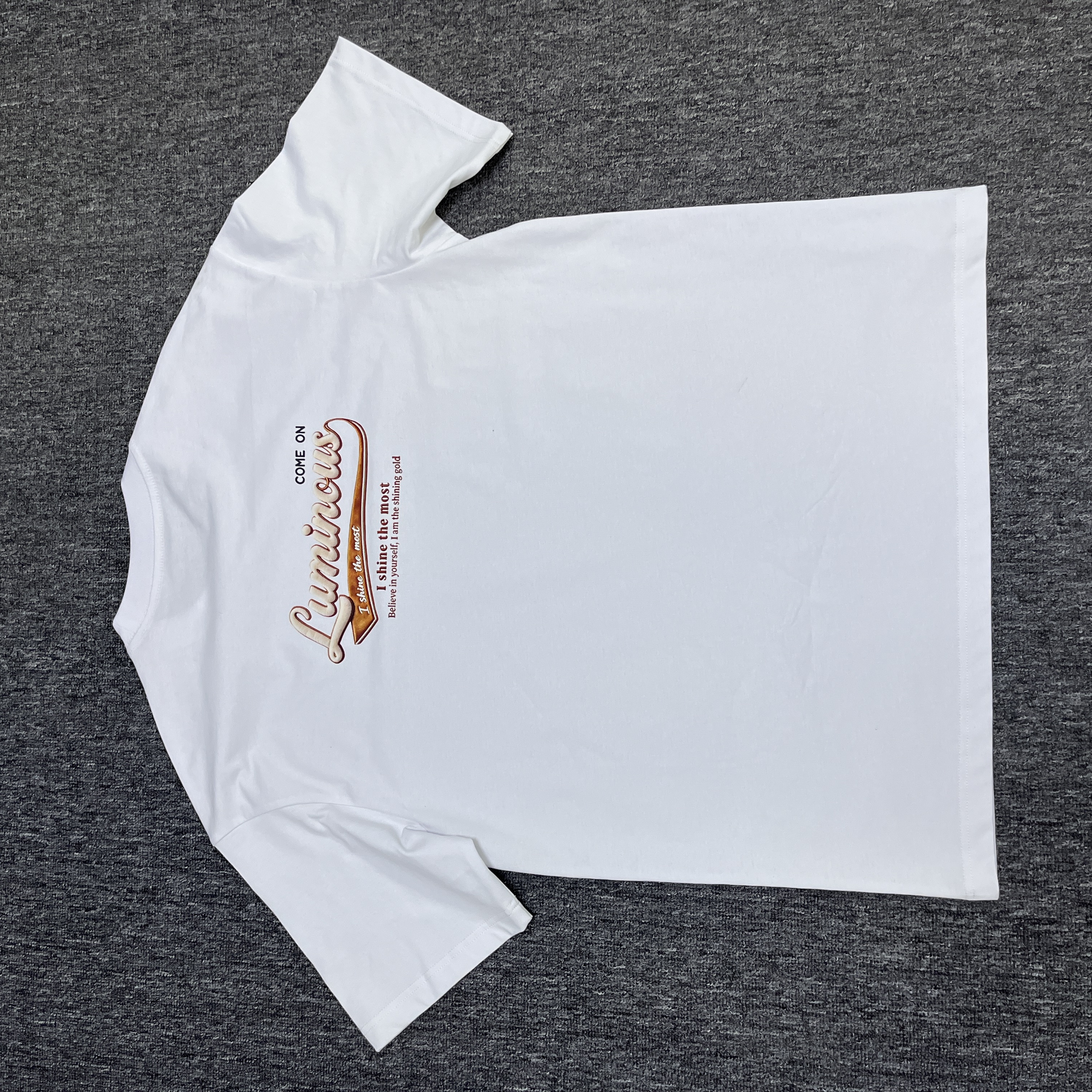
2026/07/01
Explore Chinese streetwear OEM manufacturing for T-shirts and hoodies. Liangshan supports custom samples, bulk production and export orders.
2026/07/07
Need serious warmth for hiking or camping? Discover how 300+ GSM heavyweight fleece hoodies trap heat better—plus pile type, fit & zipper tips. Shop smart today.