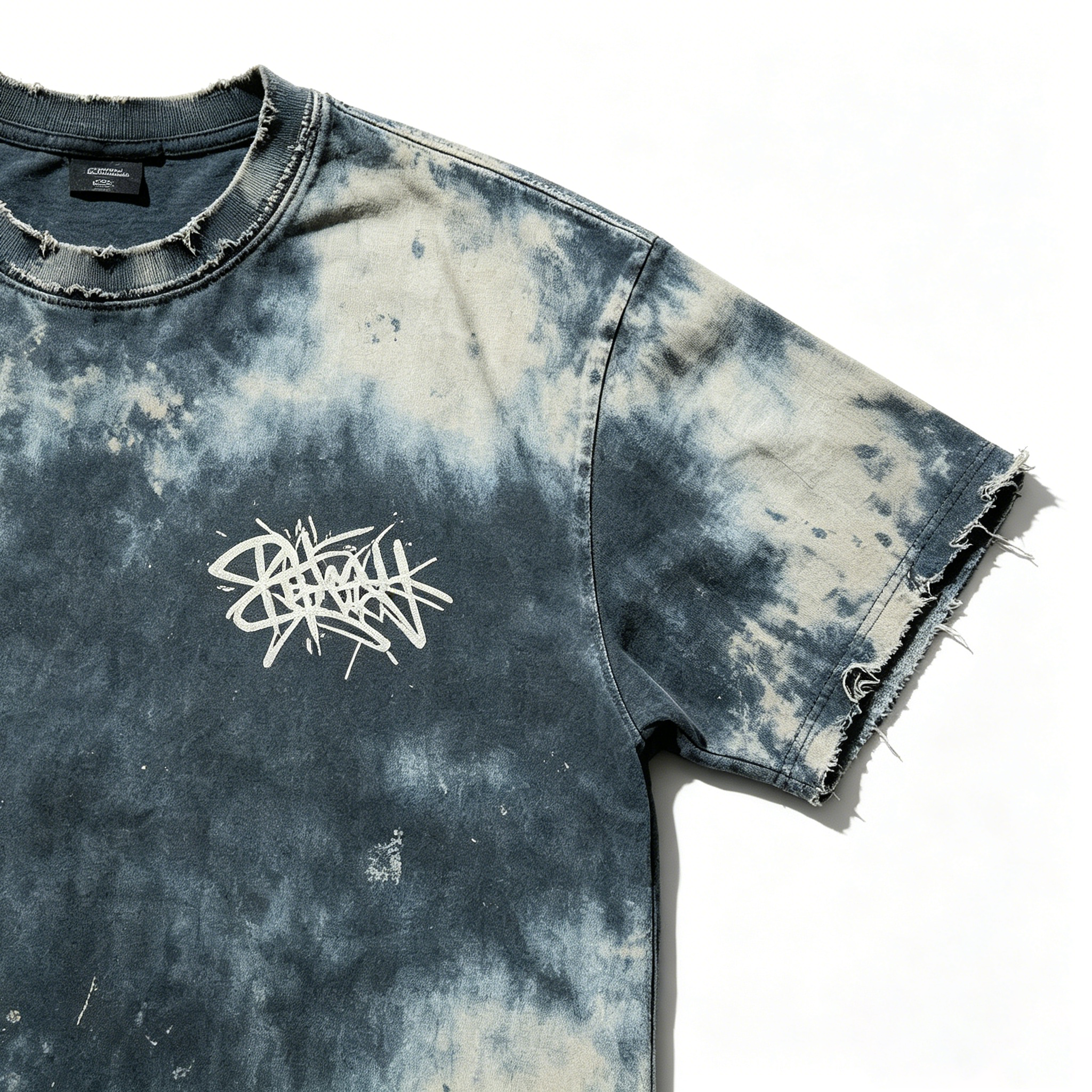
Acid wash effects have long defined the visual identity of distressed streetwear, grunge fashion, and vintage-inspired clothing. The raw, uneven bleaching that creates acid wash effects gives garments a worn, rebellious character that is instantly recognizable across decades of fashion history. Yet the traditional chemical process behind acid wash effects raises serious environmental and safety concerns, pushing designers, brands, and consumers to ask one critical question: can acid wash effects be authentically replicated using eco-friendly alternatives?

The short answer is yes. Acid wash effects can be replicated through a growing range of sustainable techniques that deliver comparable visual results without relying on chlorine bleach or harsh chemical baths. Modern textile innovation has made it possible to produce acid wash effects using ozone treatment, enzyme washing, laser finishing, and natural oxidizing agents. This article explores how those alternatives work, when they perform best, and what trade-offs designers and consumers should realistically expect when choosing eco-conscious acid wash effects over conventional methods.
The Science Behind Acid Wash Effects
How Traditional Acid Wash Effects Are Created
Traditional acid wash effects are produced by soaking pumice stones in chlorine bleach and then tumbling them against fabric in a rotating drum. The stones carry the bleach solution unevenly across the textile surface, creating the patchy, high-contrast discoloration that defines acid wash effects. This method is effective, fast, and highly repeatable at industrial scale, which is why it dominated denim and fleece production throughout the 1980s and 1990s. However, the chlorine compounds used to create acid wash effects generate toxic wastewater that poses significant risks to ecosystems and textile workers alike.
Why Acid Wash Effects Are Environmentally Problematic
The environmental footprint of acid wash effects stems from multiple stages of the production process. Chlorine-based bleaching agents used to produce acid wash effects are classified as hazardous chemicals that require careful neutralization and disposal. Wastewater from acid wash effects production often contains chlorinated byproducts that, if untreated, can contaminate groundwater and harm aquatic life. Additionally, the physical abrasion involved in traditional acid wash effects accelerates fabric degradation and reduces garment longevity, which contradicts the goals of sustainable fashion. Understanding these problems is the foundation for evaluating whether eco-friendly alternatives can genuinely replicate acid wash effects at scale.
Eco-Friendly Methods That Replicate Acid Wash Effects
Ozone and Enzyme Treatments for Acid Wash Effects
Ozone washing is one of the most promising eco-friendly techniques for replicating acid wash effects. When ozone gas is applied to fabric in a controlled humid environment, it oxidizes the dye molecules in the textile, producing faded and discolored patterns that closely mimic acid wash effects. Ozone treatment for acid wash effects consumes significantly less water than traditional methods and avoids the use of chlorine entirely. Enzyme washing is another effective approach where biological catalysts break down surface dye and fibers to create softened, worn acid wash effects without chemical bleaching. Both ozone and enzyme-based acid wash effects are increasingly used by sustainable fashion manufacturers to meet consumer demand for vintage aesthetics without environmental compromise.
Laser Finishing as a Precision Tool for Acid Wash Effects
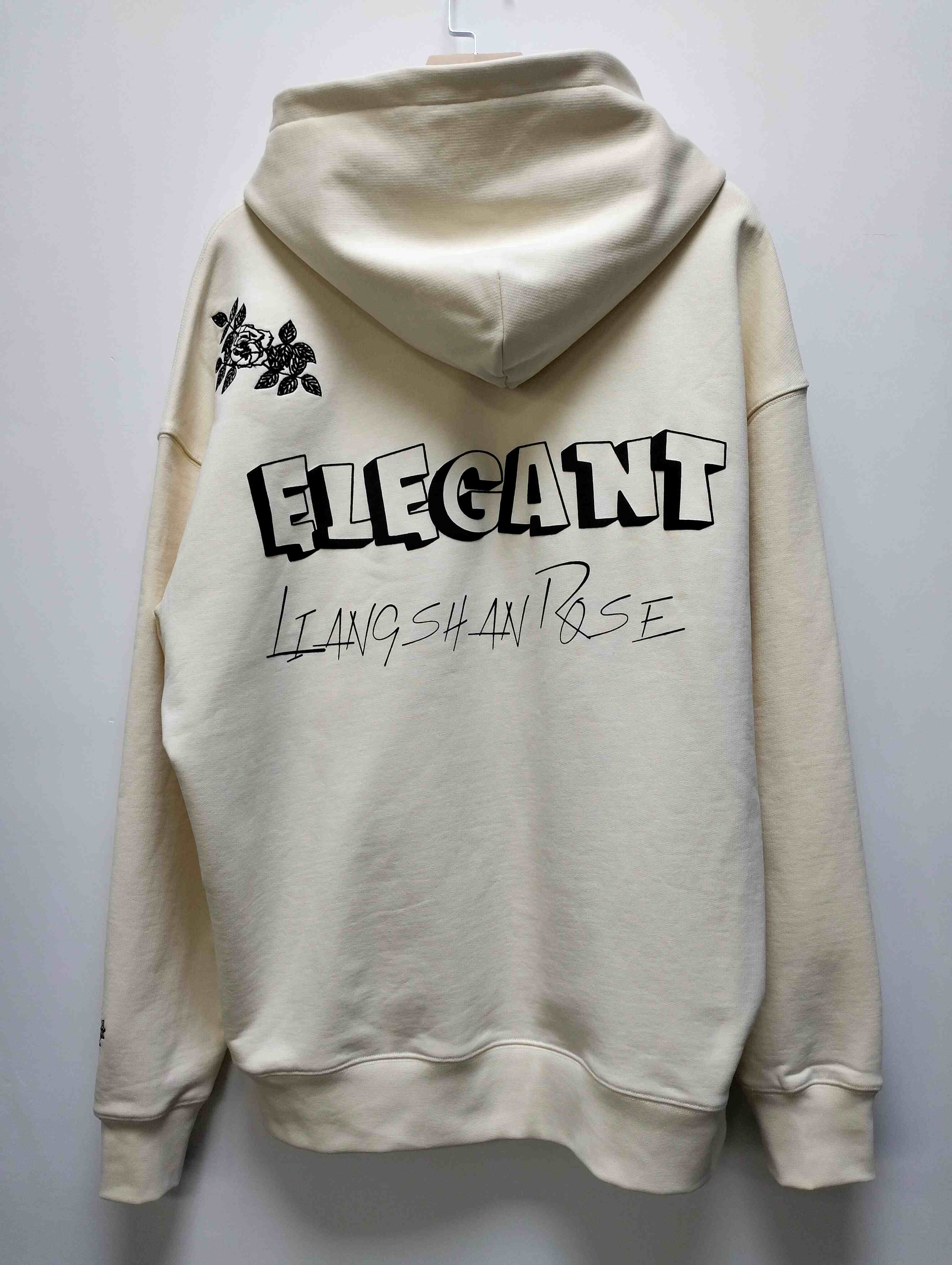
Laser finishing technology has transformed how acid wash effects are applied in modern production. By directing concentrated laser energy onto fabric, manufacturers can precisely ablate dye and surface fibers to create controlled, patterned acid wash effects. Laser-produced acid wash effects require no water, no chemicals, and generate minimal waste, making them the cleanest available method for achieving the distressed look. The precision of laser systems also allows designers to standardize acid wash effects across large production runs, ensuring consistency that hand-applied chemical methods cannot always guarantee. For brands producing acid wash effects on structured garments like zip-up hoodies and oversized sweatshirts, laser finishing delivers highly repeatable results at commercial scale.
Natural Oxidizing Agents and Low-Impact Dyeing
Beyond lasers and ozone, some producers have successfully replicated acid wash effects using natural oxidizing agents such as hydrogen peroxide, lemon juice, and salt-based solutions. These plant-derived and mineral-based agents produce acid wash effects that are softer and more gradient in appearance compared to chlorine results, which many consumers actually prefer for casual streetwear aesthetics. Low-impact reactive dyes combined with selective bleach-out techniques can also generate acid wash effects with a reduced chemical burden. While natural-agent acid wash effects may not achieve the same extreme contrast as traditional chlorine processes, their visual output is highly suitable for Y2K fashion, grunge streetwear, and vintage hoodie designs where a subtler wash adds authenticity rather than detracting from it.
Evaluating Eco-Friendly Acid Wash Effects for Streetwear Applications
Visual Quality and Consumer Expectations
One of the central concerns for designers adopting eco-friendly acid wash effects is whether the visual outcome meets consumer expectations shaped by decades of classic denim and fleece aesthetics. The good news is that for most contemporary streetwear applications, eco-friendly acid wash effects are visually indistinguishable from chemically produced alternatives when applied by skilled technicians using well-calibrated equipment. Consumers buying distressed hoodies, gothic letter print sweatshirts, or grunge-inspired outerwear are typically seeking general mood and texture rather than a specific chemical signature. This means that well-executed eco-friendly acid wash effects satisfy aesthetic expectations without compromise.
Scalability and Cost Considerations
Scaling eco-friendly acid wash effects for commercial production does involve higher initial investment compared to legacy chemical methods. Laser systems and ozone chambers used to produce acid wash effects require capital expenditure that smaller manufacturers may find challenging. However, the long-term operational savings in water use, chemical procurement, and wastewater treatment make eco-friendly acid wash effects financially competitive over time. As consumer demand for sustainably produced acid wash effects continues to grow, more manufacturers are justifying the upfront costs through premium positioning and reduced regulatory exposure. The scalability of eco-friendly acid wash effects is therefore less a technical barrier and more a business model decision.
Are eco-friendly acid wash effects as durable as traditional ones?
Yes. Eco-friendly acid wash effects produced through ozone treatment or laser finishing are generally at least as durable as those created with chlorine bleach, and in some cases more so, because the fabric fibers experience less structural degradation during the finishing process. Garments featuring well-applied eco-friendly acid wash effects maintain their visual character through repeated washing cycles without accelerated fading or fiber breakdown.
Which eco-friendly method best replicates intense acid wash effects?
Laser finishing most closely replicates the high-contrast, visually intense acid wash effects traditionally associated with chlorine-treated denim and fleece. Ozone treatment produces slightly softer acid wash effects with a more gradient appearance, while enzyme washing and natural oxidizers yield the most subtle variations. The best choice depends on the design intent and the level of contrast required for the specific acid wash effects being targeted.
Can small-scale producers access eco-friendly acid wash effects technology?
Small-scale producers can access eco-friendly acid wash effects through specialist finishing mills and third-party treatment services that offer ozone, enzyme, or laser finishing on a batch basis. This model allows independent brands and boutique streetwear labels to incorporate genuine eco-friendly acid wash effects into their collections without investing directly in expensive machinery. As demand for sustainable acid wash effects grows, access to these services is expanding across major textile manufacturing regions.

 EN
EN