In the fashion industry, the plain t shirt holds a position that few other garments can match. Every season, brands large and small return to the plain t shirt as the foundation of their collections, capsule lines, and branded merchandise. The reason is straightforward: a plain t shirt offers a clean, uninterrupted surface that is ready to carry any design, message, or identity a brand chooses to express. Whether a label is launching a limited-edition drop or building a year-round staple range, the plain t shirt remains the most logical and versatile starting point.
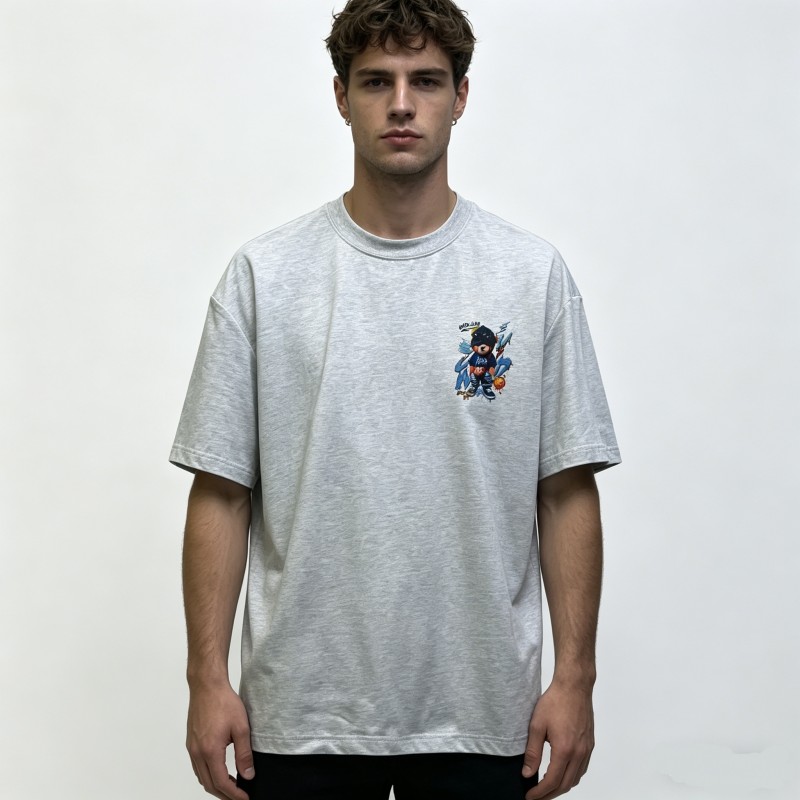
The appeal of a high-quality plain t shirt as a blank canvas goes beyond aesthetics. It is rooted in business logic, production efficiency, and consumer demand. When a brand sources the right plain t shirt, it gains a product that is immediately printable, embroiderable, and brandable without requiring structural modifications. This article explores exactly why fashion brands consistently rely on the plain t shirt as their preferred blank canvas, and why the quality of that garment matters more than most brands initially realize.
The Blank Canvas Value of a Plain T Shirt
Unrestricted Design Freedom
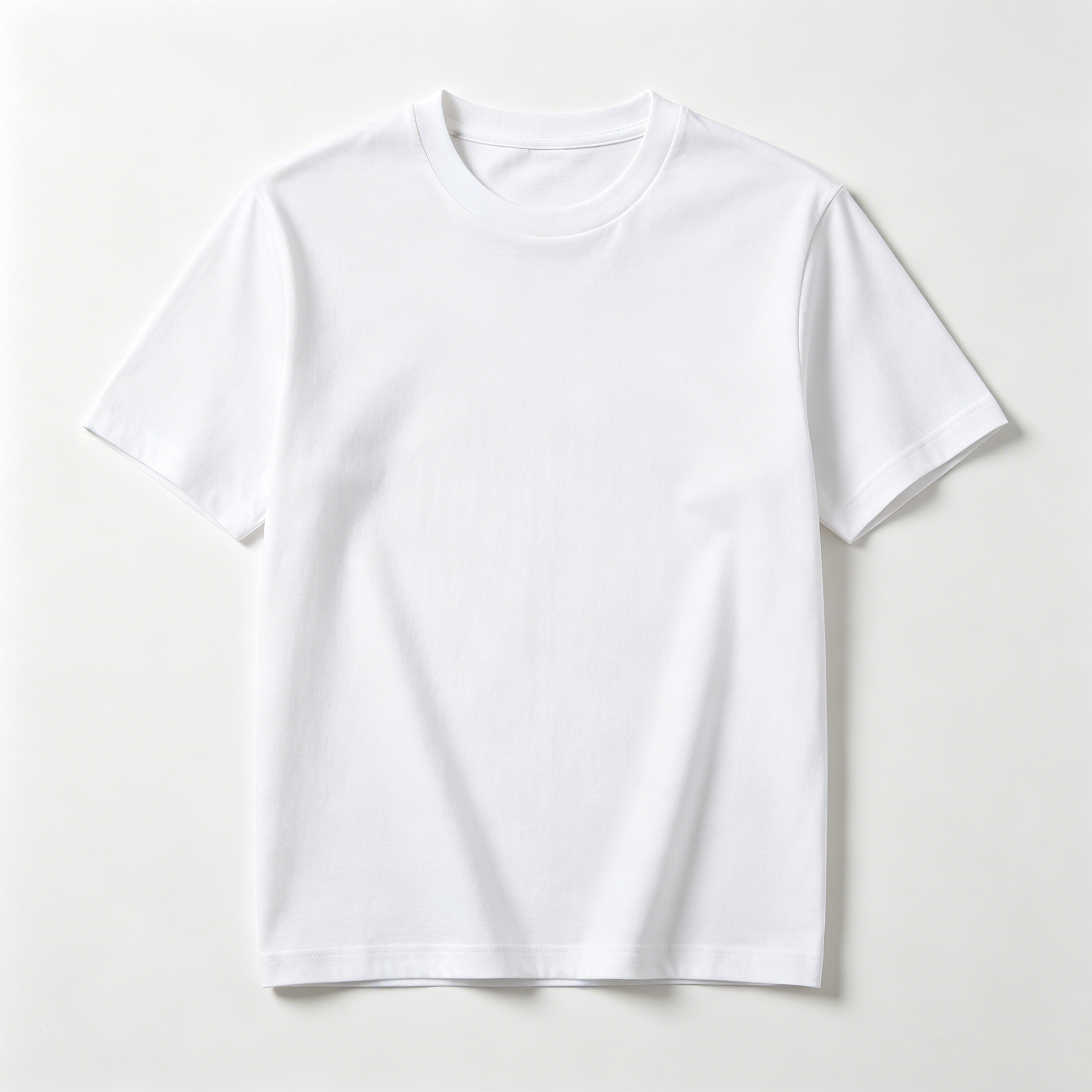
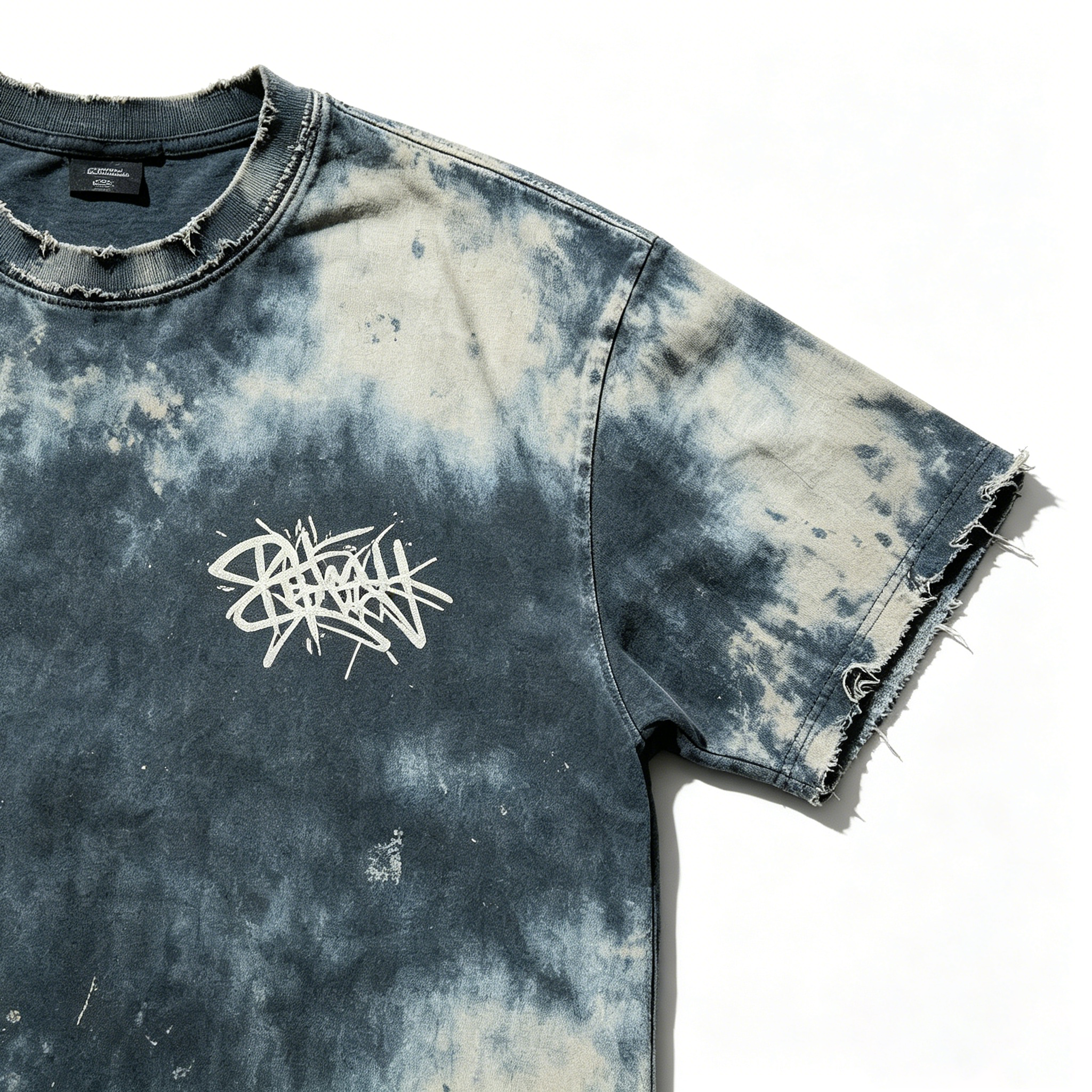
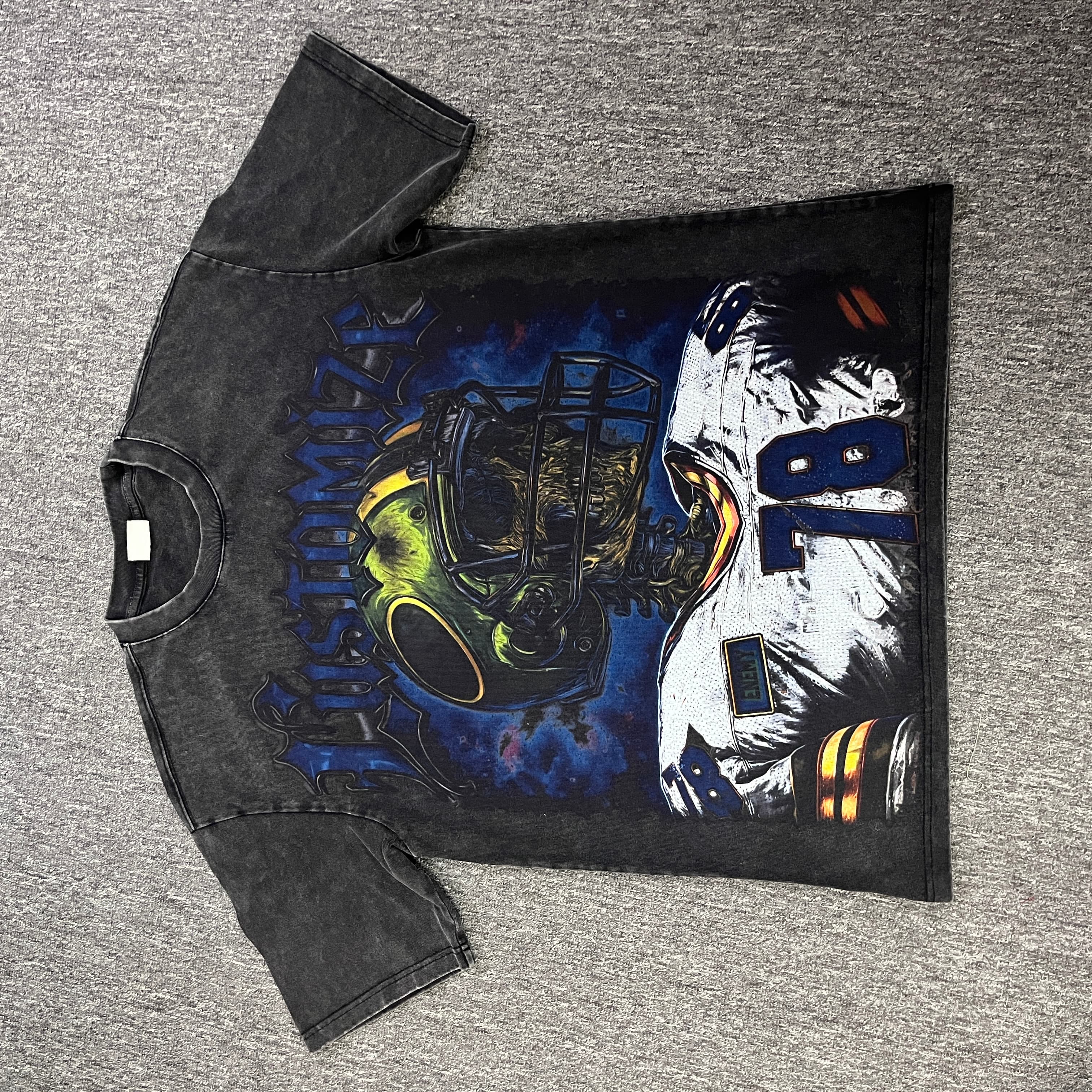
A plain t shirt provides total design freedom that structured or patterned garments simply cannot offer. When a surface is already busy with texture, print, or construction detail, adding a brand graphic becomes a visual conflict. The plain t shirt eliminates that problem entirely. Its flat, smooth face acts as a neutral ground where screen prints, digital transfers, embroidery patches, and heat-applied graphics all perform at their best. Fashion brands value this because it means the same plain t shirt blank can serve dozens of different design executions within a single collection cycle.
Creative directors and product teams prefer working with a consistent plain t shirt base because it reduces unpredictability in the final output. When the fabric weight, weave, and finish remain constant across every plain t shirt in the batch, color reproduction stays accurate, print edges remain crisp, and the overall branded result looks professional. Inconsistent blanks lead to inconsistent results, which is why sourcing a reliable plain t shirt from a quality supplier is a non-negotiable step in the production process.
Scalability Across Product Lines
Fashion brands also rely on the plain t shirt because it scales efficiently. A single well-chosen plain t shirt blank can be adapted into dozens of SKUs simply by varying the colorway, print placement, or decorative technique. This scalability reduces sampling costs and simplifies inventory management. Instead of developing unique base garments for each design, a brand can commit to one trusted plain t shirt template and multiply its product range without multiplying its sourcing complexity. For growing brands with limited development budgets, this is a significant operational advantage.
Why Fabric Quality Defines the Canvas
How Fabric Affects Print and Wear Performance
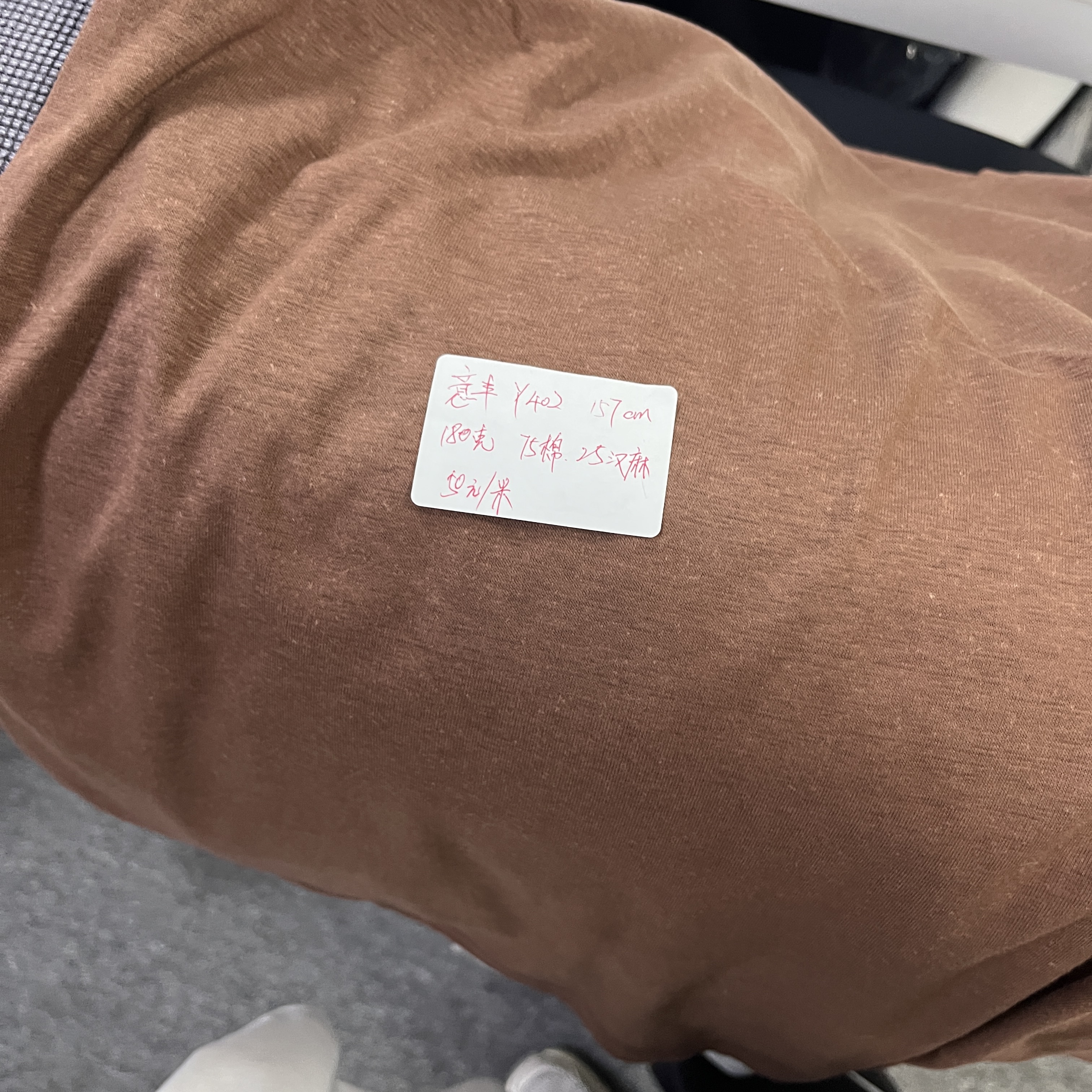
Not every plain t shirt functions equally well as a blank canvas. The quality of the fabric is the single most important factor in determining how well a plain t shirt accepts decoration and how long that decoration lasts. A 100% combed cotton plain t shirt with a tight, even knit structure holds ink more uniformly than a loosely woven blend. The surface tension of the fabric affects how print layers bond during curing. A premium plain t shirt made from high-grade cotton allows for sharper detail, deeper color saturation, and better wash durability compared to lower-quality alternatives.
Beyond print performance, the fabric quality of a plain t shirt directly influences the consumer experience. A brand's reputation is carried on every garment it sells, and a plain t shirt that pills, shrinks, or loses its shape after a few washes reflects poorly on the entire label. High-quality fabric in a plain t shirt communicates brand value even before a single logo is applied. When customers touch and wear a well-constructed plain t shirt, they associate that tactile quality with the brand itself. This is why investing in a superior plain t shirt blank is ultimately an investment in brand equity.
Fit and Construction as Brand Signals
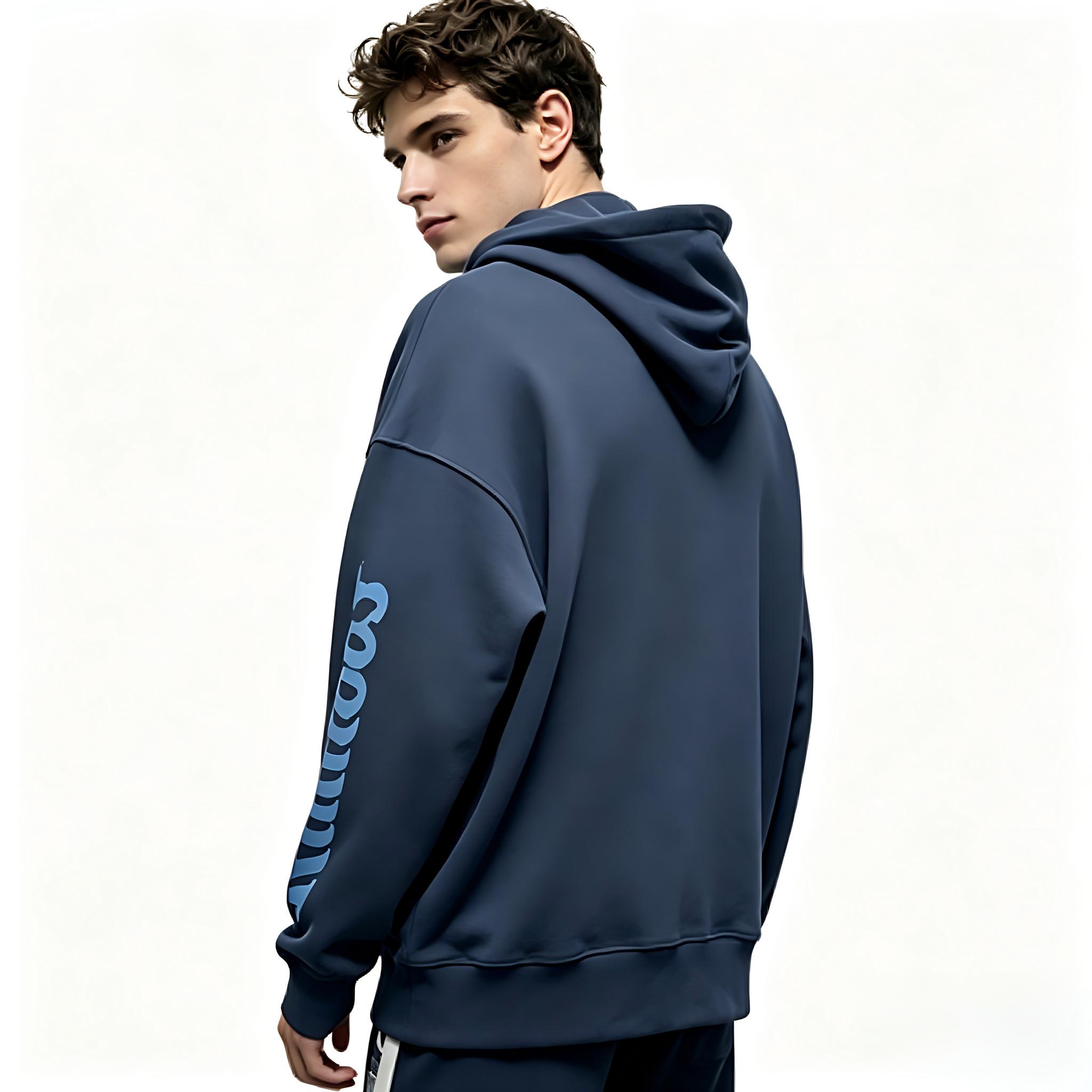
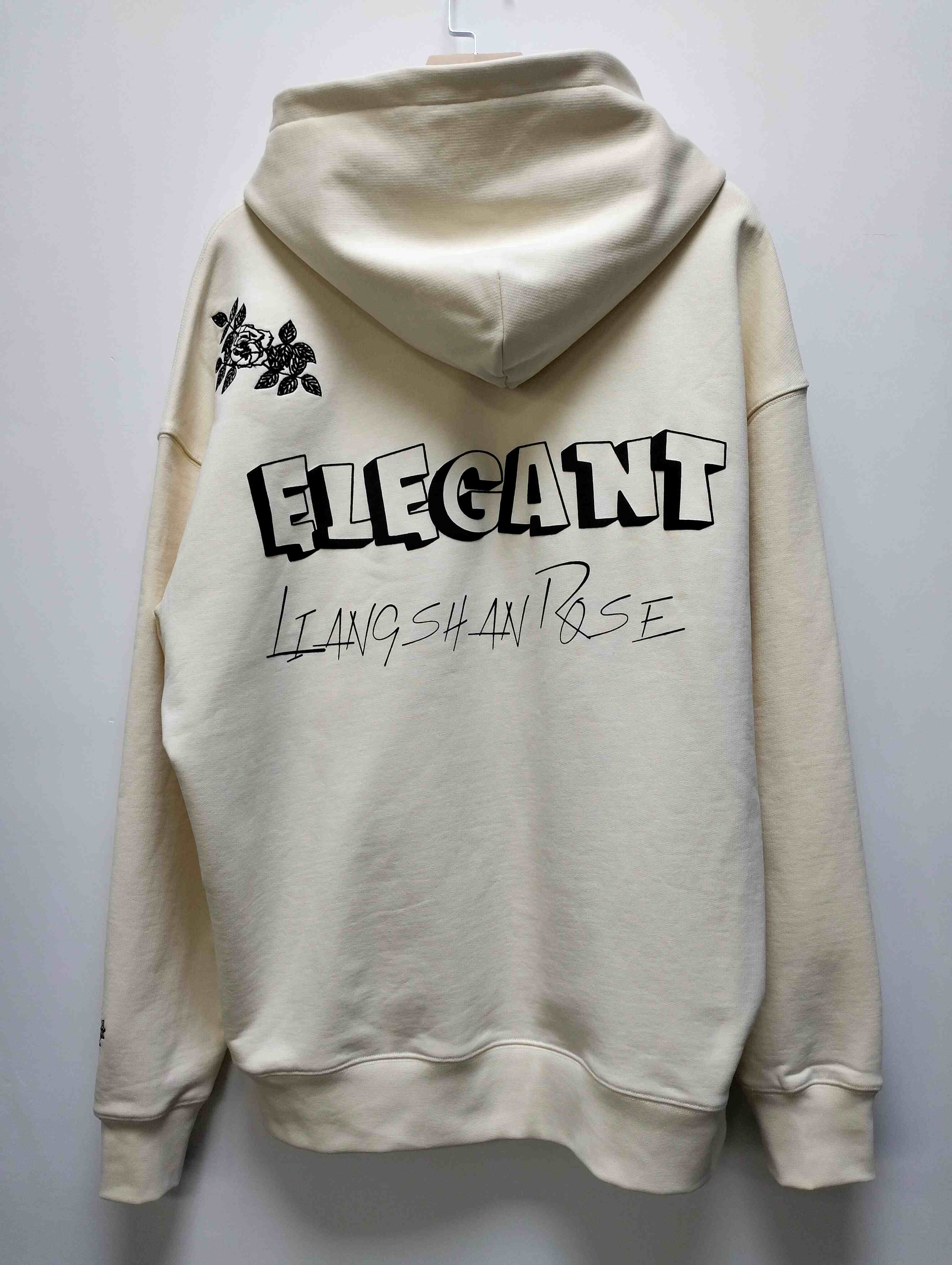
The cut and construction of a plain t shirt send clear signals about a brand's positioning. A relaxed-fit plain t shirt with dropped shoulders communicates streetwear sensibility, while a regular-fit plain t shirt with clean seams aligns with everyday essentials or workwear aesthetics. Fashion brands choose their plain t shirt base carefully because the silhouette becomes part of the brand language. Even without any graphic applied, the way a plain t shirt fits and drapes tells a visual story. When the construction quality is high, that story is coherent and intentional rather than accidental.
Strategic Reasons Brands Commit to Plain T Shirt Sourcing
Cost Efficiency Without Sacrificing Standards
Sourcing a high-quality plain t shirt in bulk gives fashion brands significant cost advantages. When a brand standardizes on a specific plain t shirt blank across its core product range, it can negotiate better unit pricing, reduce sampling lead times, and streamline quality control. The plain t shirt is one of the highest-volume garment categories globally, which means production infrastructure for it is mature and efficient. Brands that commit to a reliable plain t shirt supplier gain consistency in both cost and output, which directly supports margin planning and seasonal forecasting.
Brand Identity Anchored in Simplicity
Many of the most recognizable fashion brands have built lasting identities on the strength of a well-executed plain t shirt. The plain t shirt is one of the rare garments that transcends trend cycles. It does not become dated because it carries no inherent trend reference. A brand that anchors part of its identity to the plain t shirt is investing in permanence. Consumers return to a trusted plain t shirt across seasons, making it a reliable revenue driver that complements more trend-driven pieces in the collection. The plain t shirt earns its place not through spectacle but through quiet, consistent relevance.
What makes a plain t shirt ideal as a blank canvas for fashion brands?
A plain t shirt offers an uninterrupted, neutral surface that accepts all major decoration methods including screen printing, embroidery, and heat transfer. Its simple construction means no design conflicts, and a high-quality plain t shirt ensures consistent print results across large production runs.
Does fabric quality really affect how a plain t shirt performs as a branded product?
Yes, fabric quality is critical. A premium plain t shirt made from combed cotton holds color better, resists shrinkage, and maintains its shape through repeated washing. These qualities protect the brand's visual identity and ensure that the printed or embroidered decoration on the plain t shirt remains intact over time.
How does a plain t shirt help fashion brands manage production costs?
By standardizing on a single high-quality plain t shirt blank, brands reduce sampling complexity, simplify inventory, and gain leverage in bulk pricing negotiations. The plain t shirt is produced at global scale, making it one of the most cost-efficient garment bases available for brands that want design flexibility without high development overhead.
 EN
EN