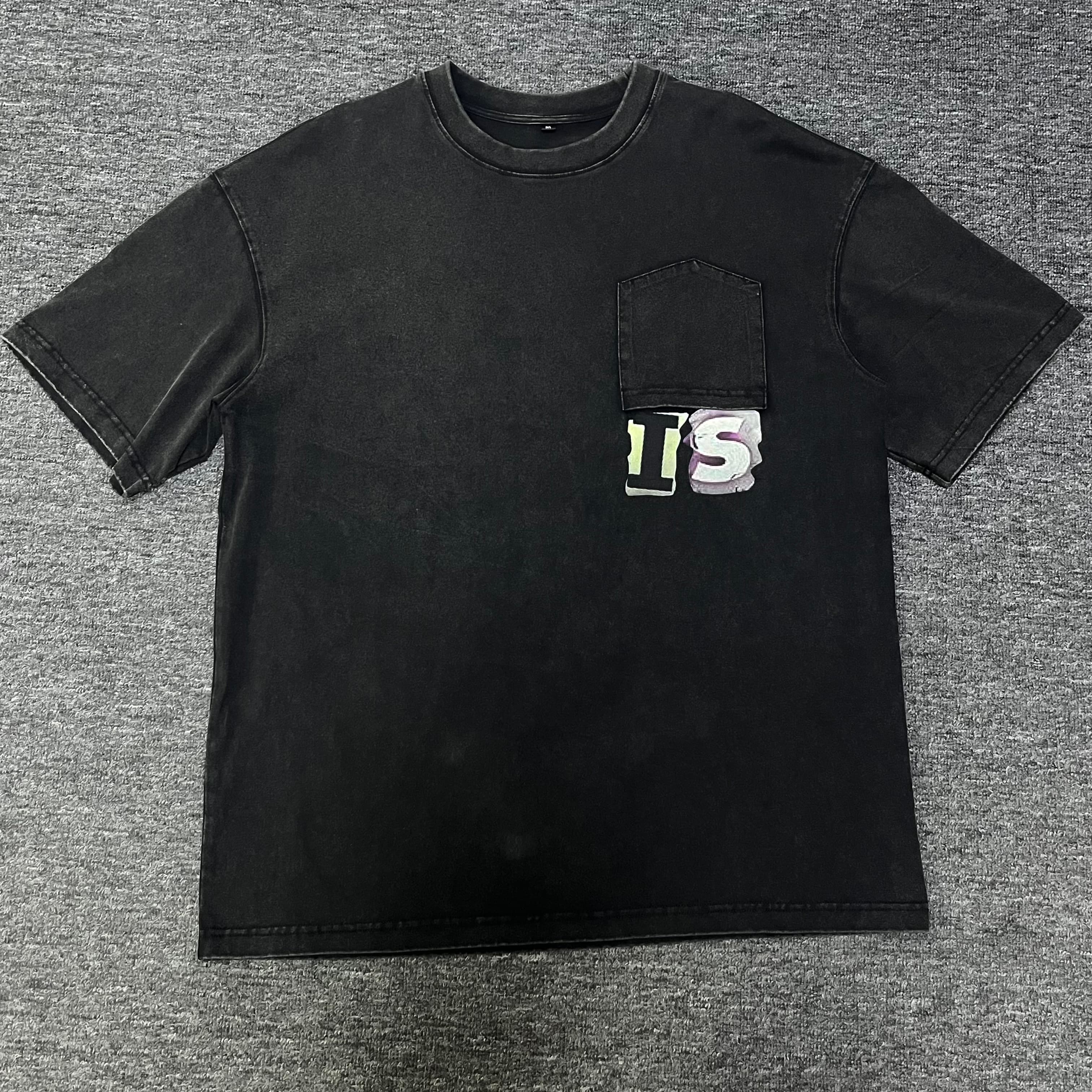
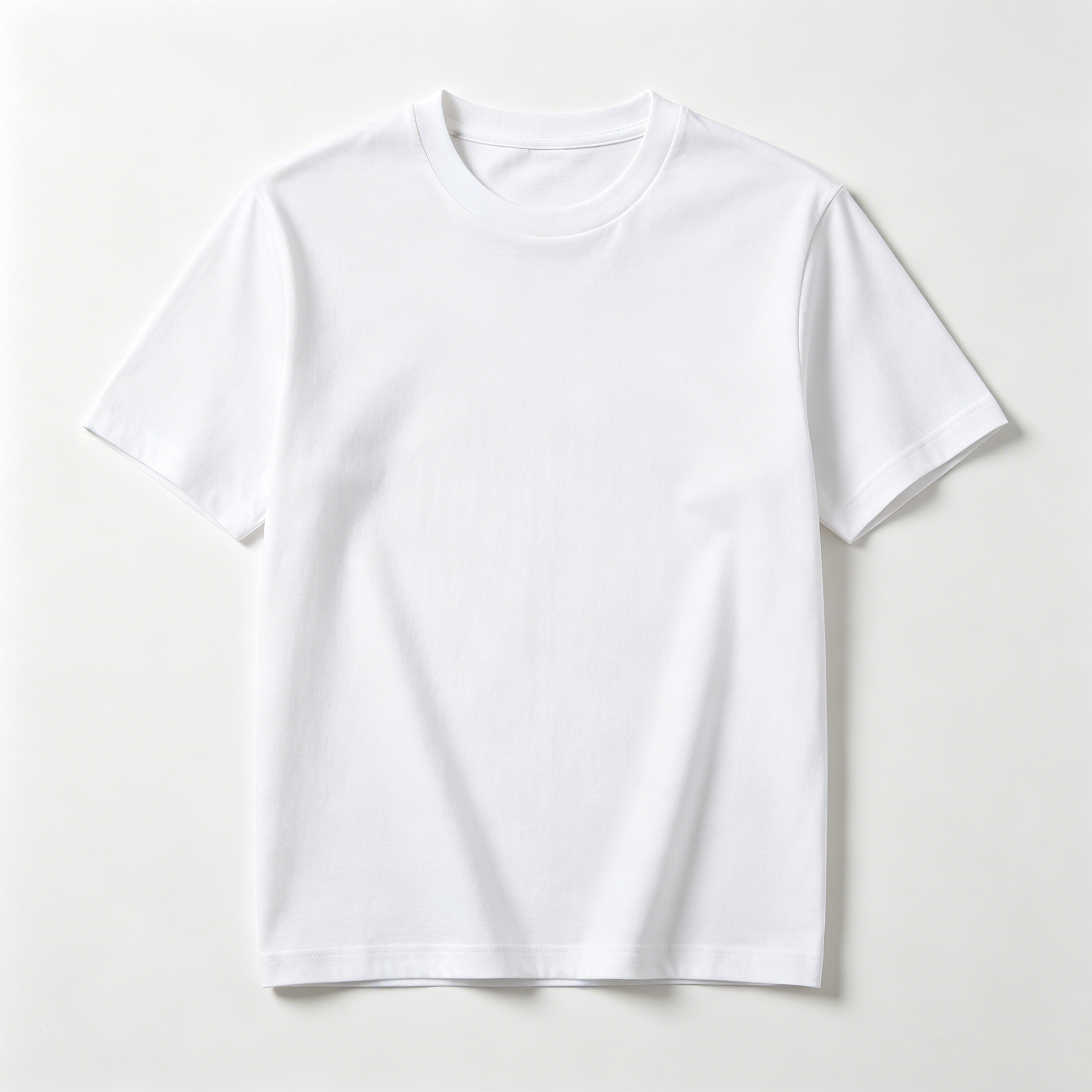
A heavy weight t shirt is built to last, but not every heavy weight t shirt actually keeps its shape after repeated washing. Buyers often discover that a heavy weight t shirt they purchased for its structure and clean neckline looks stretched, distorted, or baggy after just a few cycles in the laundry. Understanding what genuinely separates a durable heavy weight t shirt from one that degrades quickly is essential for anyone sourcing, manufacturing, or retailing quality garments.

The performance of a heavy weight t shirt under repeated wash conditions depends on several interconnected factors, including fabric weight, fiber composition, knit construction, and finishing techniques. Each of these elements plays a direct role in how well a heavy weight t shirt holds its neckline, maintains its dimensions, and resists the mechanical stress that laundering applies. This article breaks down the key structural and material factors that determine whether a heavy weight t shirt retains its original form over time.
Fabric Weight and Fiber Composition
Why Fabric Weight Matters in a Heavy Weight T Shirt
The defining feature of a heavy weight t shirt is its fabric weight, typically measured in grams per square meter, or GSM. A genuine heavy weight t shirt usually falls in the range of 220 GSM to 280 GSM or above. This higher GSM gives the heavy weight t shirt greater density, which means the fabric has more fiber per unit area and therefore more resistance to stretching and distortion. A lightweight shirt simply cannot match the structural integrity that a properly constructed heavy weight t shirt delivers.
When a heavy weight t shirt undergoes repeated washing, the mechanical agitation of the machine pulls and relaxes the fibers. A higher GSM fabric in a heavy weight t shirt means those fibers have shorter travel distances between their interlocked loops, which resists elongation. This is why GSM is the first and most critical specification buyers should examine when evaluating a heavy weight t shirt for long-term shape retention.
Cotton Quality and Fiber Length in a Heavy Weight T Shirt
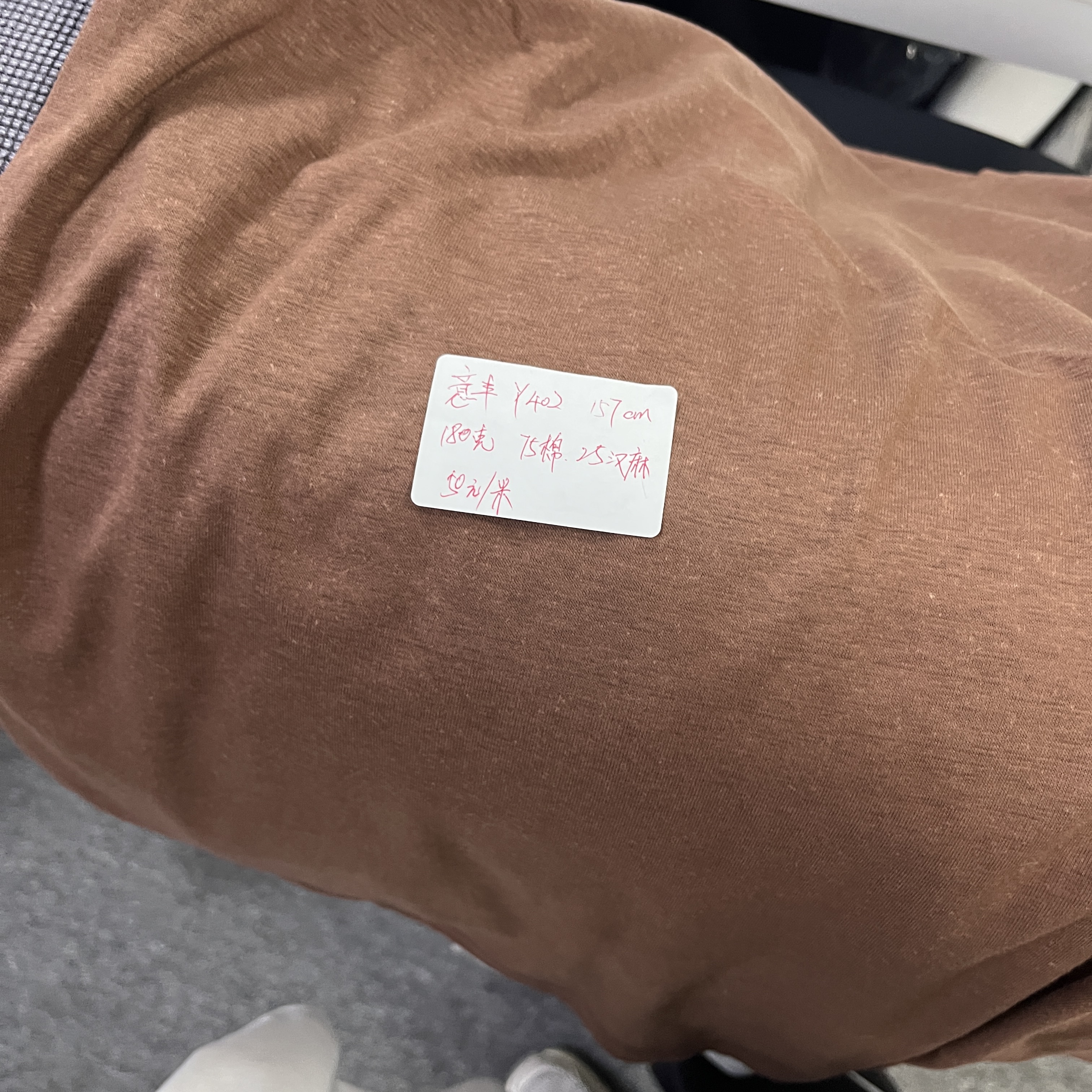
Not all cotton performs equally inside a heavy weight t shirt. Ring-spun cotton, commonly used in a premium heavy weight t shirt, produces a stronger and smoother yarn because the fibers are tightly twisted together. Combed ring-spun cotton goes one step further by removing shorter, weaker fibers before spinning, resulting in a heavy weight t shirt fabric that is more uniform and less prone to pilling or deformation. When a heavy weight t shirt uses lower-quality open-end spun cotton, the yarns are bulkier but weaker, which leads to faster shape loss after repeated washing cycles.
Knit Structure and Neckline Construction
How the Knit Structure Affects Heavy Weight T Shirt Durability
The knit structure of a heavy weight t shirt is just as important as the fiber it contains. Most durable heavy weight t shirt fabrics are knitted using a single jersey or interlock construction. An interlock-knit heavy weight t shirt features two interlocked rows of loops, which makes the fabric much more stable in both directions. This bilateral stability means a heavy weight t shirt knitted with interlock construction is far less likely to stretch out of shape during washing compared to a loosely constructed single jersey version.
A well-knit heavy weight t shirt will also exhibit greater recovery after stretching. Fabric recovery refers to the ability of the material to return to its original dimensions after mechanical stress. For a heavy weight t shirt used in daily wear, good recovery means the garment looks fresh and structured even after dozens of wash cycles. Tight loop density is a reliable indicator that a heavy weight t shirt will maintain its shape over time.
Neckline Reinforcement in a Heavy Weight T Shirt
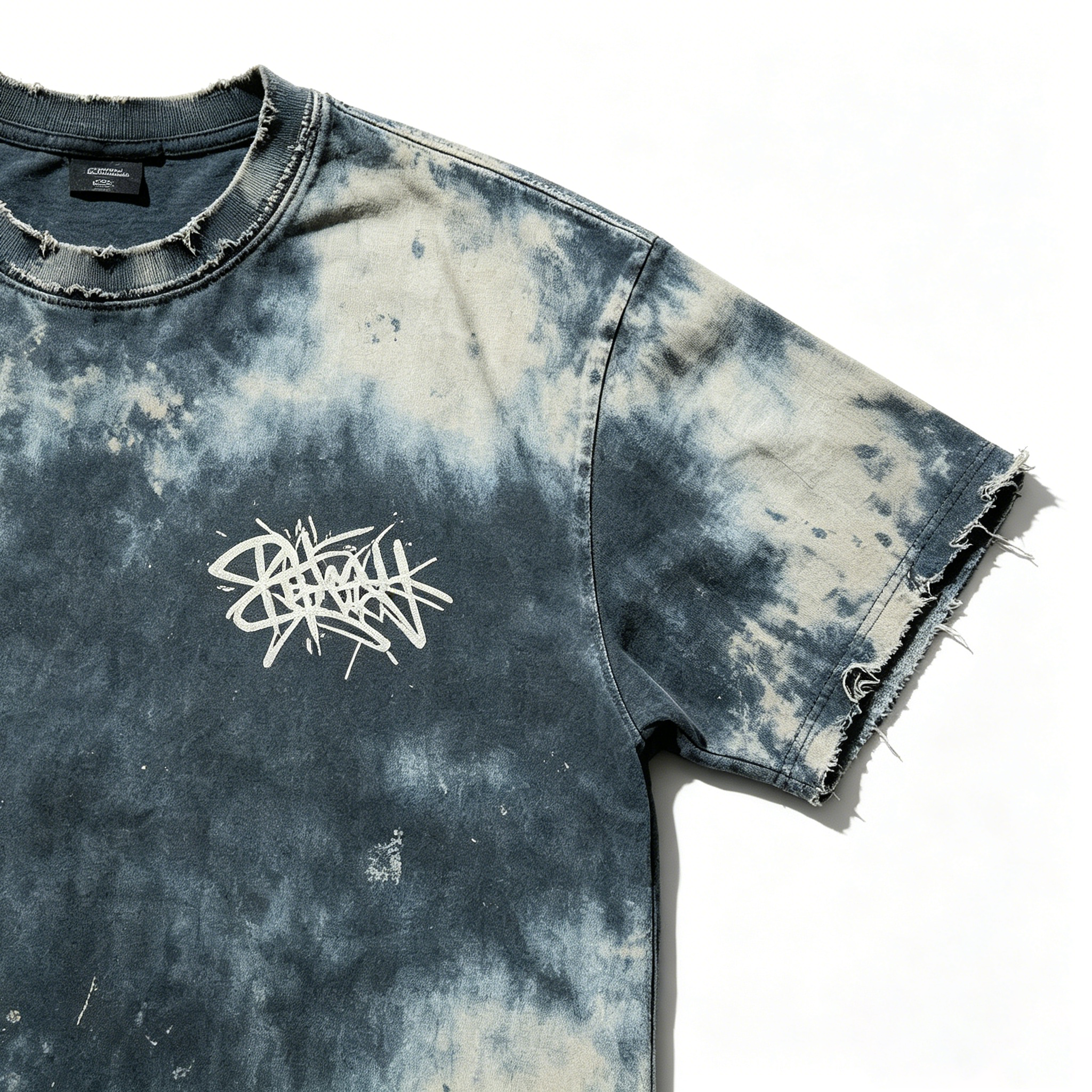
The neckline is the most vulnerable part of any heavy weight t shirt because it faces the combined stress of being stretched during dressing and pulled by washing machine agitation. A quality heavy weight t shirt addresses this with a reinforced rib collar, typically knitted from a higher-tension yarn blend that recovers more aggressively than the body fabric. Some manufacturers also apply a taped inner neck seam on a heavy weight t shirt, which is a strip of woven fabric sewn along the inside of the collar to anchor it against outward stretch. Without this reinforcement, even a high-GSM heavy weight t shirt will develop a drooping or deformed neckline within a relatively short period.
Pre-Shrinking, Finishing, and Wash Preparation
Pre-Shrinking Processes That Protect a Heavy Weight T Shirt
One of the most overlooked aspects of heavy weight t shirt durability is pre-shrinking. During fabric production, yarn and knit structures hold a degree of tension that releases when exposed to heat and moisture. If a heavy weight t shirt is not properly pre-shrunk before cutting and sewing, the first few washes will cause dramatic dimensional changes. The most effective pre-shrinking method applied to a quality heavy weight t shirt is called 'compacting' or 'sanforizing,' a mechanical process that releases residual tension in the fabric before the garment is assembled. A heavy weight t shirt that has been properly sanforized will lose very little additional length or width after consumer washing.
Dyeing and Finishing Treatments on a Heavy Weight T Shirt
The finishing treatments applied after dyeing also affect how a heavy weight t shirt holds its shape. Reactive dyes, commonly used on a cotton heavy weight t shirt, bond chemically with the fiber rather than just coating its surface. This bonding does not add stiffness or alter the fabric structure negatively, which means the heavy weight t shirt retains its natural drape and elasticity while maintaining color integrity. Finishing treatments that include a light anti-shrink resin or enzymatic wash can further stabilize the surface of a heavy weight t shirt without compromising its softness or breathability.
What GSM is recommended for a heavy weight t shirt that holds its shape?
A heavy weight t shirt with a GSM of 240 or above is generally recommended for consistent shape retention. At this weight, the heavy weight t shirt has sufficient fiber density to resist stretching and neckline distortion across many wash cycles.
Does the neckline type affect how a heavy weight t shirt ages?
Yes. A heavy weight t shirt with a ribbed, reinforced collar and an interior neck tape will hold its neckline shape significantly longer than a heavy weight t shirt with a plain, unreinforced collar. The construction quality at the neckline is as important as the body fabric weight.
Can washing temperature affect a heavy weight t shirt's shape retention?
Absolutely. Even a well-constructed heavy weight t shirt will experience accelerated shape loss if washed at high temperatures consistently. Cold or warm wash settings preserve the fiber structure of a heavy weight t shirt far better than hot cycles, especially for cotton-dominant fabrics.

 EN
EN