When brands and buyers talk about fabric quality in the streetwear market, one measurement consistently rises to the top of the conversation: GSM, or grams per square meter. For a plain t shirt to be considered premium in a streetwear context, the GSM range must meet specific thresholds that signal substance, durability, and a confident drape. Understanding this range is not just a technical exercise — it is a direct business decision that affects pricing, perceived value, and customer loyalty.

The streetwear market has matured dramatically over the past decade. Consumers who shop this category no longer settle for thin, flimsy basics. They expect a plain t shirt to feel weighty, structured, and built to last beyond a few washes. This is why the GSM range of a plain t shirt has become one of the most closely watched specifications among streetwear designers, OEM buyers, and independent labels alike. Getting this number right separates a forgettable product from a best-selling staple.
The GSM Spectrum for a Plain T Shirt
Lightweight vs. Midweight vs. Premium Weight
To appreciate what qualifies as premium, it helps to understand the full GSM spectrum. A plain t shirt in the 120 to 150 GSM range is generally considered lightweight. These fabrics feel thin, are often semi-transparent, and tend to be associated with fast fashion or promotional merchandise. A plain t shirt in the 160 to 190 GSM range sits in the midweight zone. This is what most mass-market brands offer as their standard option — acceptable in quality but rarely described as premium by streetwear standards.
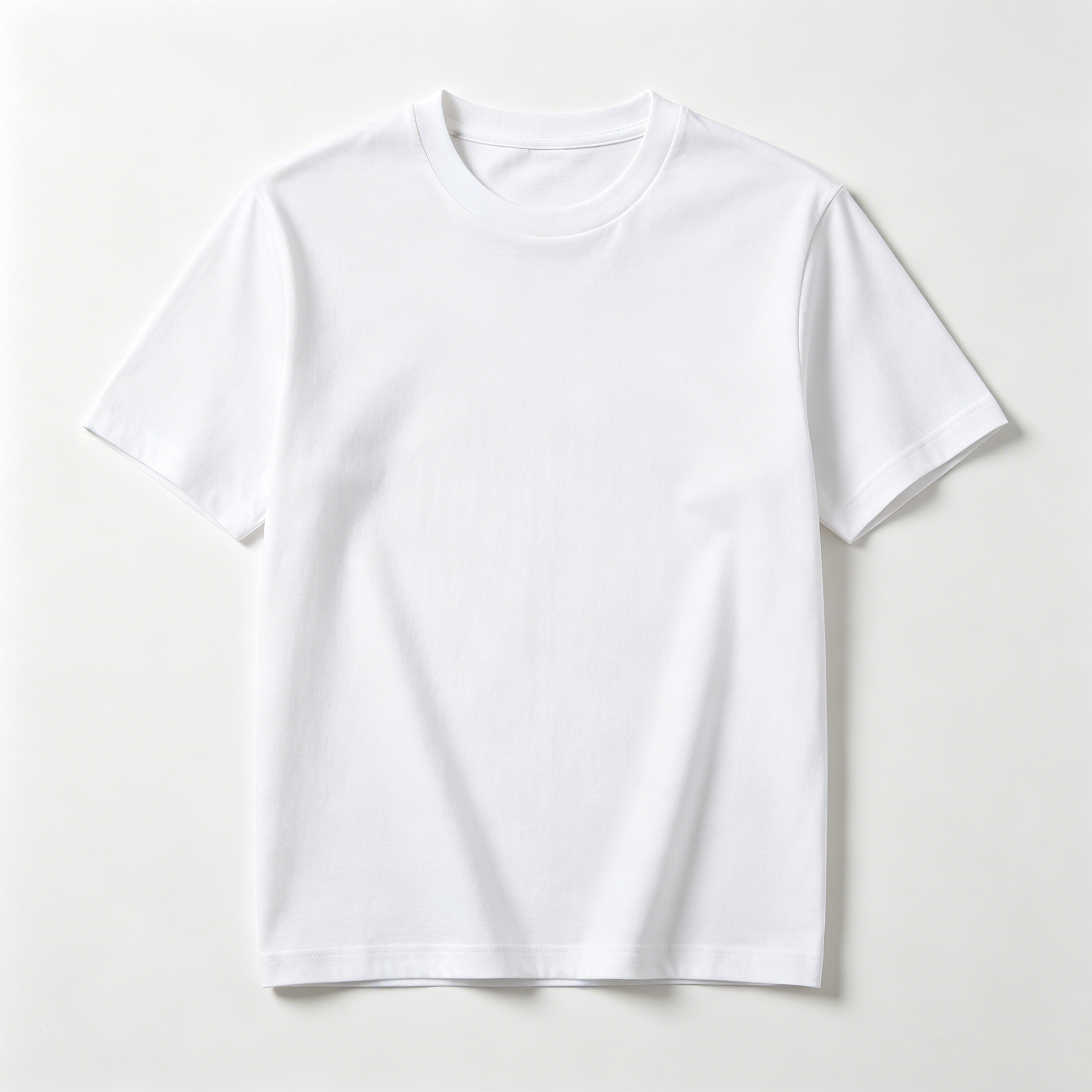
The premium zone for a plain t shirt in the streetwear market typically starts at 200 GSM and extends up to around 280 GSM. Within this band, the fabric develops a noticeably more substantial hand feel. A plain t shirt at 220 to 250 GSM is the sweet spot that many streetwear labels favor because it offers structural weight without becoming uncomfortably heavy in warmer climates. At 260 to 280 GSM, a plain t shirt enters heavy-weight territory, which appeals to brands focused on oversized silhouettes and drop-shoulder construction.
Why 230 GSM Has Become a Streetwear Benchmark
Among all the weights in the premium range, 230 GSM has emerged as a particularly recognized benchmark for a plain t shirt in streetwear. At this weight, the plain t shirt holds its shape well through repeated washing, resists pilling, and maintains an opaque appearance that looks intentional rather than accidental. The 230 GSM plain t shirt also carries enough body to support screen prints, embroidery, and puff applications without warping or pulling — a key concern for brands that layer graphics over their basics.
From a production standpoint, a 230 GSM plain t shirt also represents a manageable cost-to-quality ratio for OEM and ODM buyers. It is heavy enough to justify a premium retail price point while remaining accessible at scale. Many successful streetwear labels have built their core line around this exact weight because it consistently meets consumer expectations for a plain t shirt that feels worth the investment.
How GSM Affects Perceived Value in Streetwear Retail
The Customer Touch Test
In physical retail, the first thing a customer does with a plain t shirt is touch it. That initial tactile experience directly communicates value before any branding, price tag, or marketing message registers. A plain t shirt with a GSM below 200 often fails this test, feeling insubstantial and unconvincing. By contrast, a plain t shirt at 220 GSM or above creates an immediate impression of quality that primes the customer to accept a higher price. Streetwear buyers are particularly sensitive to this because the category is built on authenticity — a flimsy plain t shirt signals inauthenticity instantly.
This is why streetwear brands that invest in a heavier plain t shirt consistently report stronger repeat purchase rates. The plain t shirt does not just look premium — it wears premium across dozens of wash cycles. Customers remember that experience and return for it, which translates directly into brand loyalty and lower customer acquisition costs over time.
Positioning a Plain T Shirt at the Right Price
The GSM of a plain t shirt also shapes the pricing conversation with retail partners and wholesale buyers. A plain t shirt at 200 GSM can justifiably retail in the mid-range, while a plain t shirt at 240 to 260 GSM supports a premium or even luxury-adjacent positioning depending on the brand narrative. For streetwear labels pitching to boutiques or concept stores, specifying the exact GSM of their plain t shirt in their line sheet is increasingly expected. Buyers at these outlets evaluate the plain t shirt specification as seriously as they evaluate design.
Fabric Construction That Supports Premium GSM
Knit Structure and Cotton Quality
GSM alone does not define premium quality for a plain t shirt. The knit structure and cotton grade used to achieve that weight matter just as much. A plain t shirt made from 100% ring-spun or combed cotton at 230 GSM will feel softer and more refined than a plain t shirt made from open-end spun cotton at the same weight. Ring-spun cotton produces a smoother yarn that results in a denser, more even surface on the plain t shirt, which looks and feels more intentional.
For streetwear applications, a plain t shirt with a single-jersey or heavyweight jersey knit construction tends to perform best. These structures give the plain t shirt the flat, clean surface that supports oversized silhouettes without adding unwanted stretch. A plain t shirt with a drop-shoulder cut particularly benefits from this combination of premium GSM and structured knit because the silhouette relies on the fabric holding its dimensions rather than clinging to the body.
Breathability Considerations at Higher GSM
One common concern buyers raise about a heavy plain t shirt is breathability. At 230 to 250 GSM, a plain t shirt constructed from knitted cotton retains reasonable airflow when the fiber quality is high. Open knit patterns and breathable cotton blends can maintain the premium weight of the plain t shirt while preventing the suffocating heat retention associated with synthetic-heavy fabrics. This balance is what makes a well-engineered plain t shirt at premium GSM suitable for year-round streetwear wear rather than only cooler seasons.
What is the minimum GSM for a plain t shirt to be considered premium in streetwear?
The general threshold is 200 GSM, though most streetwear buyers and brands define premium as starting at 220 GSM. A plain t shirt at this weight or above delivers the hand feel, opacity, and durability that the streetwear customer associates with genuine quality and value.
Can a plain t shirt above 260 GSM still be comfortable to wear?
Yes, a plain t shirt above 260 GSM can be comfortable when made from high-quality breathable cotton with an appropriate knit structure. The key is ensuring that the plain t shirt uses a fabric construction that allows adequate airflow, so the weight contributes to structure rather than excessive heat retention during wear.
Does GSM affect how well a plain t shirt holds its shape after washing?
Absolutely. A higher GSM plain t shirt generally retains its shape better through repeated wash cycles because the denser fabric resists shrinkage and distortion more effectively. A plain t shirt at 220 GSM or above, especially when made from pre-shrunk ring-spun cotton, will maintain its silhouette and dimensions far longer than a lightweight plain t shirt below 180 GSM.
 EN
EN