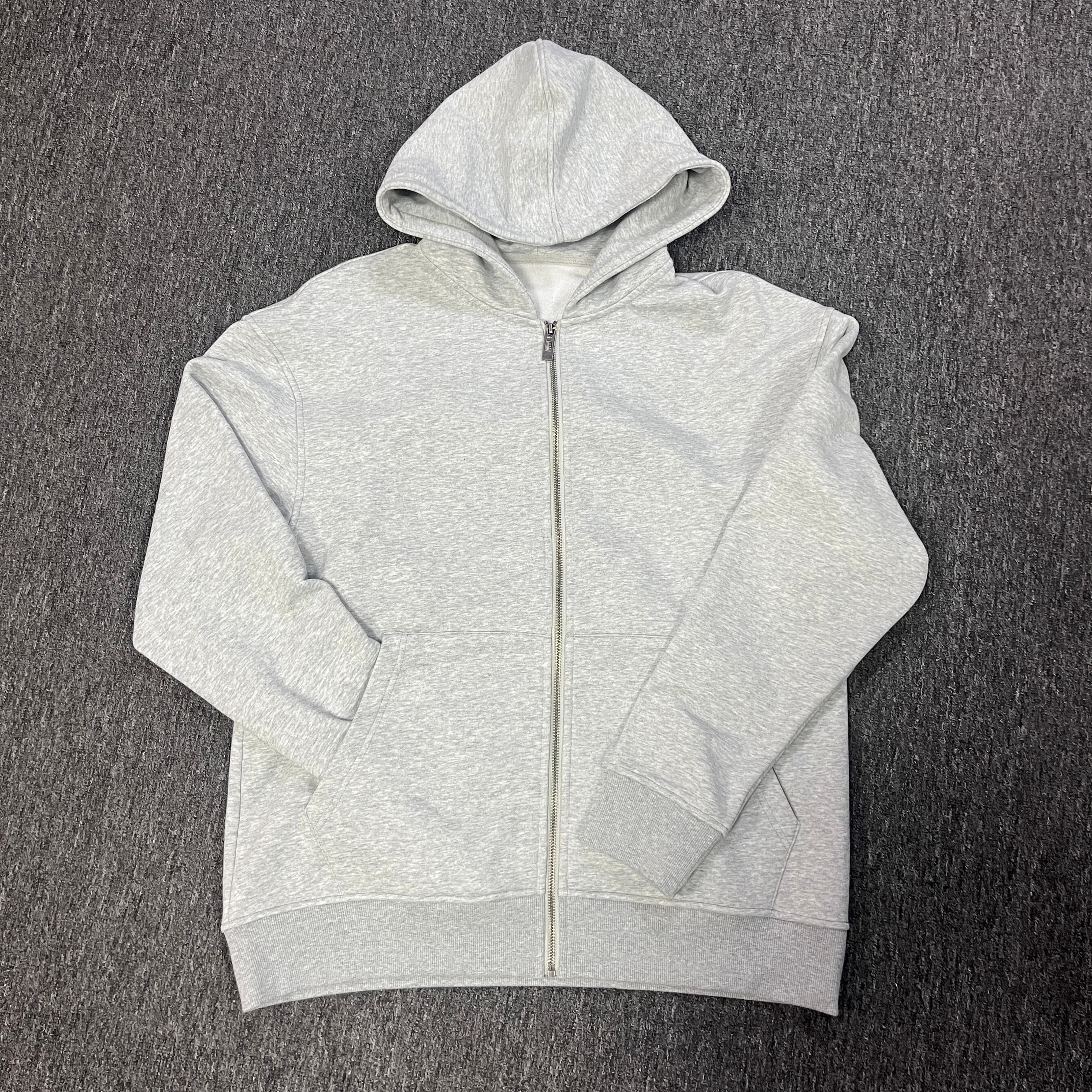
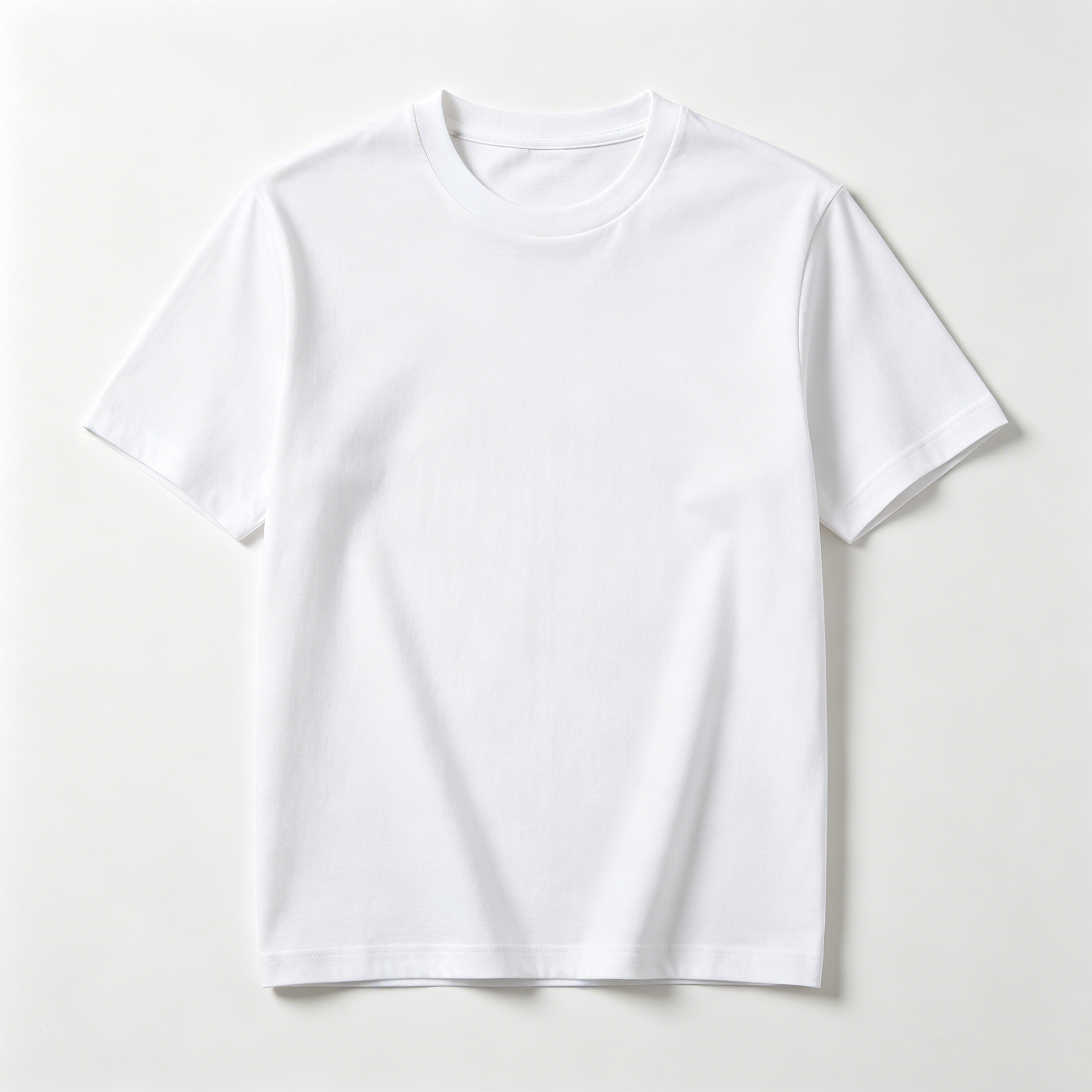
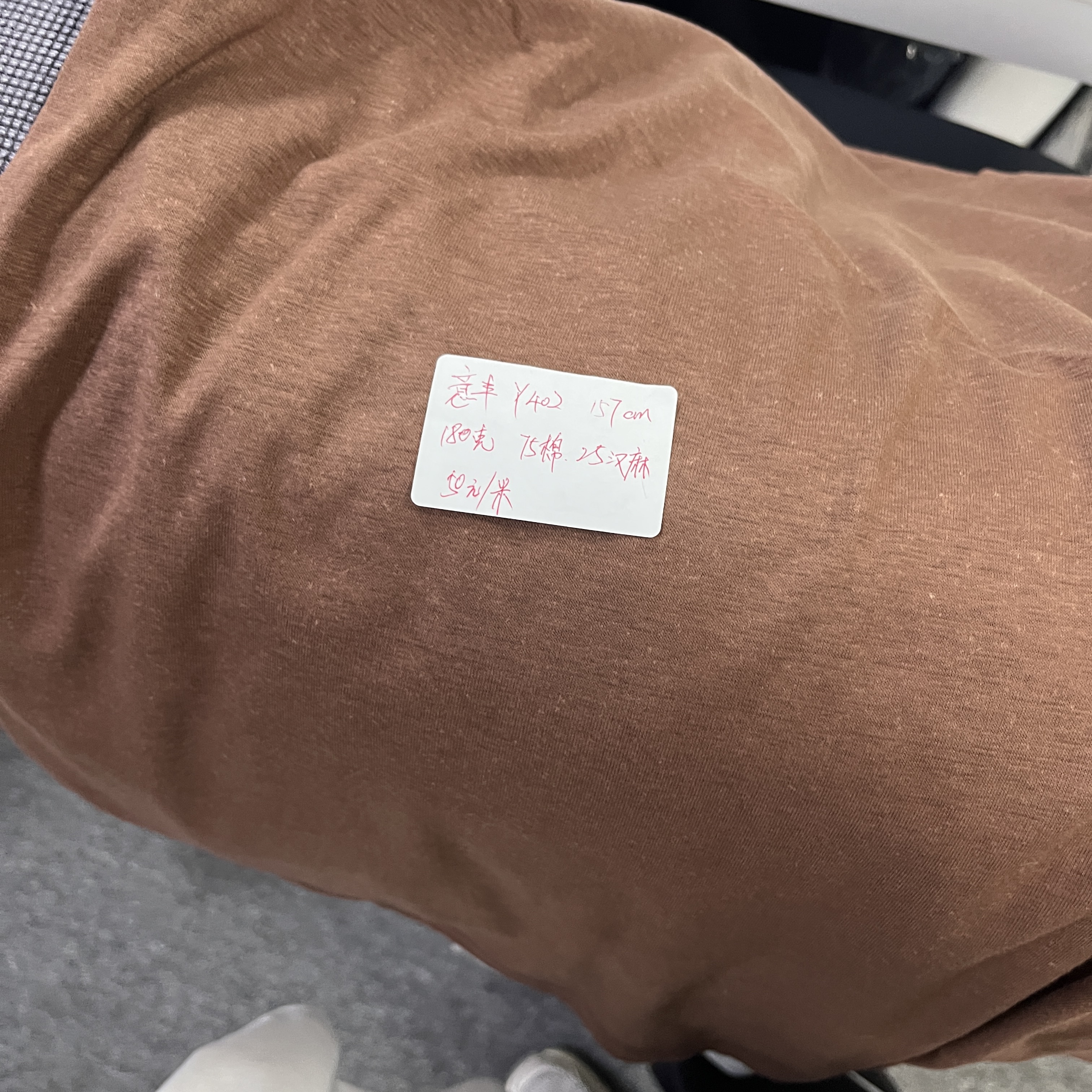
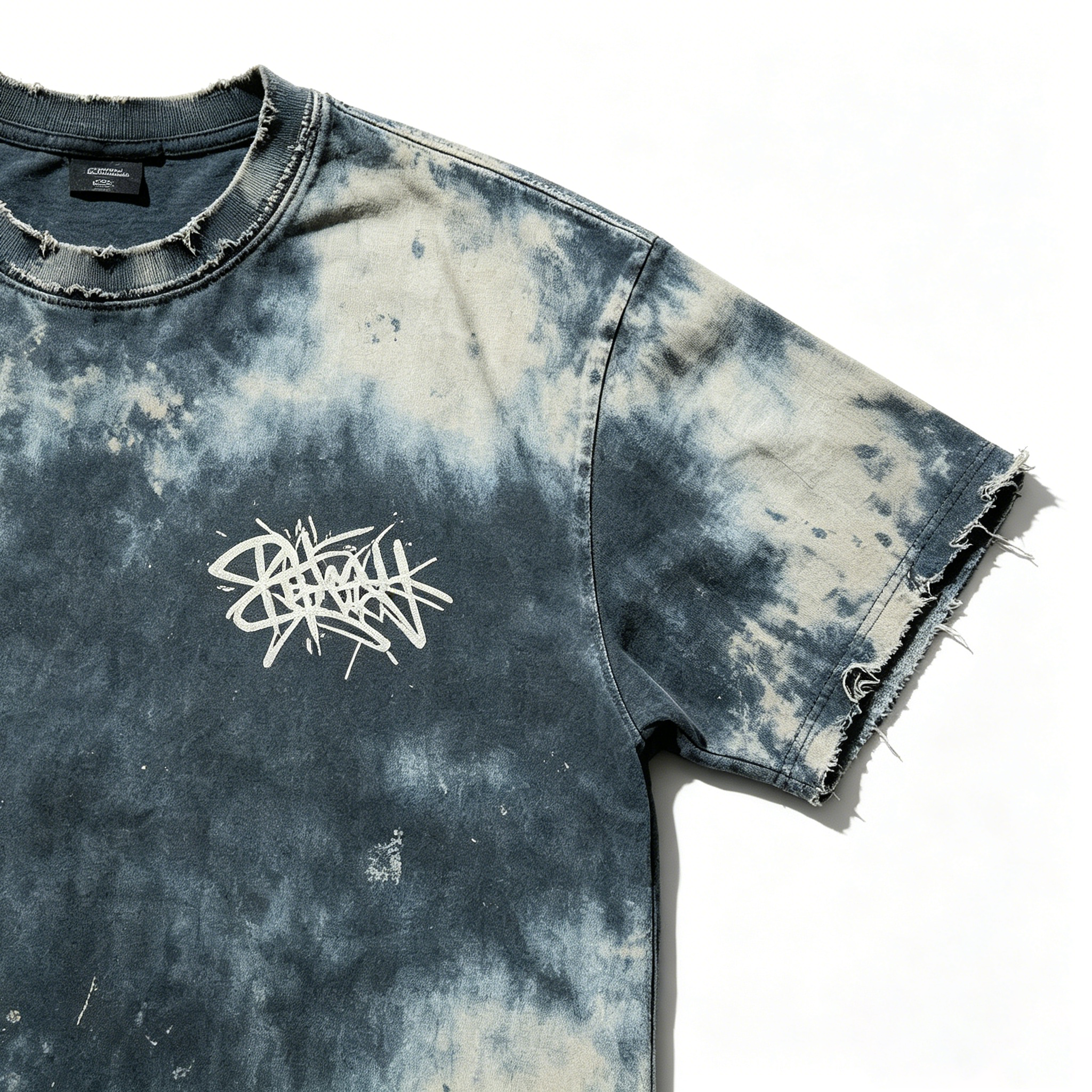
In the streetwear world, fabric weight is not a minor technical detail — it is a core quality signal. When brands and buyers talk about a heavy weight t shirt, they are referring to a specific GSM range that delivers a noticeably thicker feel, better drape, and a more premium on-body presence. Understanding exactly which GSM numbers qualify a heavy weight t shirt helps designers, retailers, and sourcing managers make confident product decisions rather than relying on vague supplier descriptions.

GSM stands for grams per square meter and is the universal measurement used to classify fabric weight across the apparel industry. For a heavy weight t shirt in the streetwear category, the GSM threshold is a clear and widely accepted benchmark. This article breaks down what those numbers are, why they matter in a streetwear context, and how the right GSM choice affects the overall product performance and market positioning of a heavy weight t shirt.
The GSM Threshold That Defines a Heavy Weight T Shirt
Understanding the Standard GSM Categories
Apparel fabric is typically grouped into three broad weight categories. Lightweight fabrics generally fall between 100 and 150 GSM. Midweight fabrics range from approximately 150 to 200 GSM. A heavy weight t shirt, by industry consensus, begins at 220 GSM and can extend to 280 GSM or higher. Some premium streetwear labels push their heavy weight t shirt offerings to 300 GSM to create an exceptionally structured and substantial garment. Knowing where your fabric sits within these ranges is the first step toward making accurate product claims.
Why 220 GSM Is the Accepted Entry Point
The 220 GSM mark is widely recognized as the point at which a heavy weight t shirt begins to feel meaningfully different from standard garments. Below this threshold, fabric may feel denser than average but will not deliver the structural rigidity and body that streetwear consumers expect from a true heavy weight t shirt. At 220 GSM and above, the fabric holds its shape better, resists excessive wrinkling during wear, and communicates a quality-forward identity that aligns with what streetwear buyers are willing to pay premium prices for. A heavy weight t shirt in this range also tends to retain its form through multiple wash cycles, which directly supports long-term brand reputation.
How GSM Affects Streetwear Identity and Consumer Perception
GSM as a Brand Positioning Tool
In the streetwear segment, a heavy weight t shirt is not just a product — it is a statement about a brand's values. Consumers in this category are highly attentive to tactile quality. When someone picks up a heavy weight t shirt and immediately feels the density and thickness of the fabric, that physical impression shapes their entire perception of the brand. A heavy weight t shirt sitting between 240 and 260 GSM tends to hit the ideal balance for most streetwear labels: thick enough to feel luxury-adjacent, yet still comfortable enough for everyday wear. Brands using this GSM range for their heavy weight t shirt line can credibly position themselves in a premium tier without overengineering the product.
The Role of Cotton Composition in Perceived Weight
While GSM is the key metric, cotton composition significantly influences how a heavy weight t shirt feels and performs. A 100% combed cotton heavy weight t shirt at 240 GSM will feel softer and more breathable than a 100% carded cotton version at the same weight. Ring-spun cotton construction is often favored for a heavy weight t shirt in streetwear because it produces a tighter, smoother yarn that enhances both feel and print quality. When a brand specifies its heavy weight t shirt, combining the GSM number with the cotton type and spinning method gives the most complete picture of what the garment will deliver. This level of specification also helps buyers compare products accurately across different suppliers.
Selecting the Right GSM for Your Heavy Weight T Shirt Line
Matching GSM to Use Case and Climate
Not all heavy weight t shirt products need to sit at the upper extreme of the GSM range. A heavy weight t shirt at 220 to 240 GSM is well-suited for warmer climates or year-round collections where the brand wants the premium feel without sacrificing breathability. A heavy weight t shirt at 260 to 300 GSM is better aligned with cooler-weather drops, limited-edition releases, or collector pieces where maximum fabric presence is a deliberate design choice. Streetwear brands launching seasonal collections should consider how the intended wear season and geographic market affect the ideal GSM for their heavy weight t shirt. Matching the weight to the use case prevents both overengineering and underwhelming the customer.
GSM and Printing Compatibility
Graphic printing is central to streetwear identity, and a heavy weight t shirt must be able to support bold, high-detail prints without distortion. Higher GSM fabrics provide a more stable base for screen printing and DTG applications, meaning a heavy weight t shirt at 240 GSM or above typically yields sharper print edges and richer color saturation compared to lighter alternatives. This compatibility between fabric weight and print quality is a practical reason why heavy weight t shirt designs are so commonly used for statement graphics in streetwear. Sourcing teams should request printed samples on the actual GSM fabric being specified to verify how print quality holds across wash cycles on the chosen heavy weight t shirt base.
What is the minimum GSM for a heavy weight t shirt in streetwear?
The minimum GSM that qualifies a heavy weight t shirt in the streetwear category is generally 220 GSM. Below this point, the garment may be described as midweight. Most serious streetwear brands position their heavy weight t shirt offerings between 240 and 280 GSM to meet consumer expectations for thickness and structure.
Can a heavy weight t shirt feel too stiff for everyday wear?
A heavy weight t shirt does not need to feel stiff to qualify as heavyweight. The fabric construction — particularly the use of combed or ring-spun cotton — plays a major role in softness. A well-made heavy weight t shirt at 240 to 260 GSM using quality cotton will feel dense and substantial without restricting movement or causing discomfort during extended wear.
Does a higher GSM always mean better quality in a heavy weight t shirt?
Higher GSM contributes to perceived quality but is not the only quality indicator for a heavy weight t shirt. Cotton grade, yarn spinning method, knitting consistency, and finishing processes all affect the overall quality of a heavy weight t shirt. A 280 GSM heavy weight t shirt made from low-grade carded cotton can feel inferior to a 240 GSM version made from premium ring-spun combed cotton. Always evaluate GSM alongside material specifications.

 EN
EN