When designing or sourcing a boxy fit t shirt, one of the most consequential decisions is fabric weight. The choice between heavyweight and midweight cotton directly shapes how the garment holds its silhouette, drapes on the body, and performs over time. A boxy fit t shirt is not a standard fitted tee — it relies on deliberate structural cues that fabric weight either reinforces or undermines.

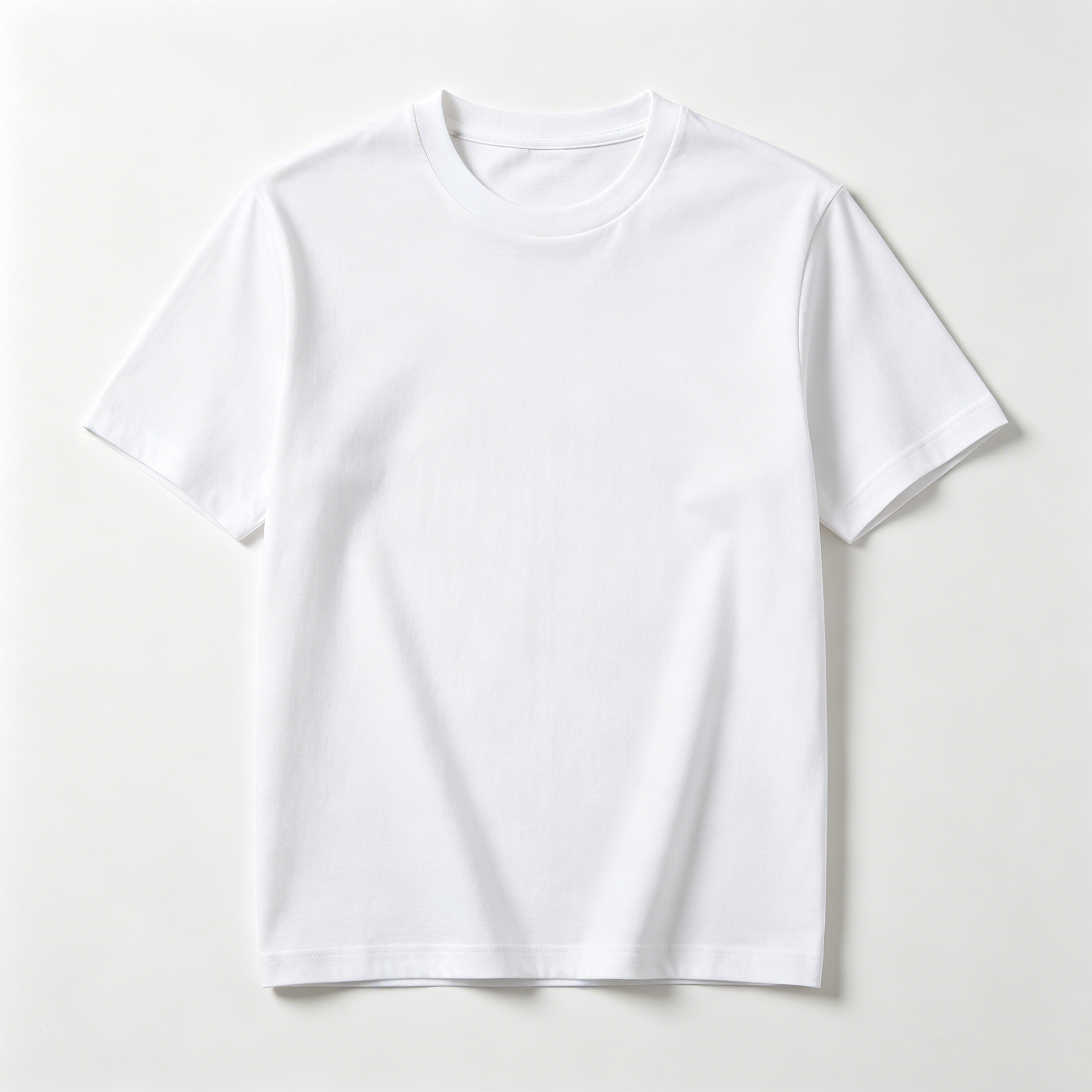
The boxy fit t shirt has become a cornerstone of urban streetwear and contemporary casual dressing. Its wide body, dropped shoulders, and square hem demand a fabric that behaves predictably across the chest and torso. Whether a boxy fit t shirt reads as intentional and polished or simply oversized and shapeless depends enormously on the GSM — grams per square meter — of the fabric selected. This guide breaks down both options so brands, buyers, and garment developers can make a confident, informed choice.
How Fabric Weight Affects Boxy Fit T Shirt Structure
The Role of GSM in Silhouette Retention
Fabric weight, measured in GSM, determines how much a boxy fit t shirt resists distortion under its own weight and during wear. A heavyweight fabric — typically 280 GSM and above — carries enough density to maintain the boxy fit t shirt's squared-off shape at the hem, sleeves, and shoulders. This structural firmness means the boxy fit t shirt sits away from the body with authority, producing clean vertical lines and a deliberately architectural look that streetwear audiences respond to strongly.
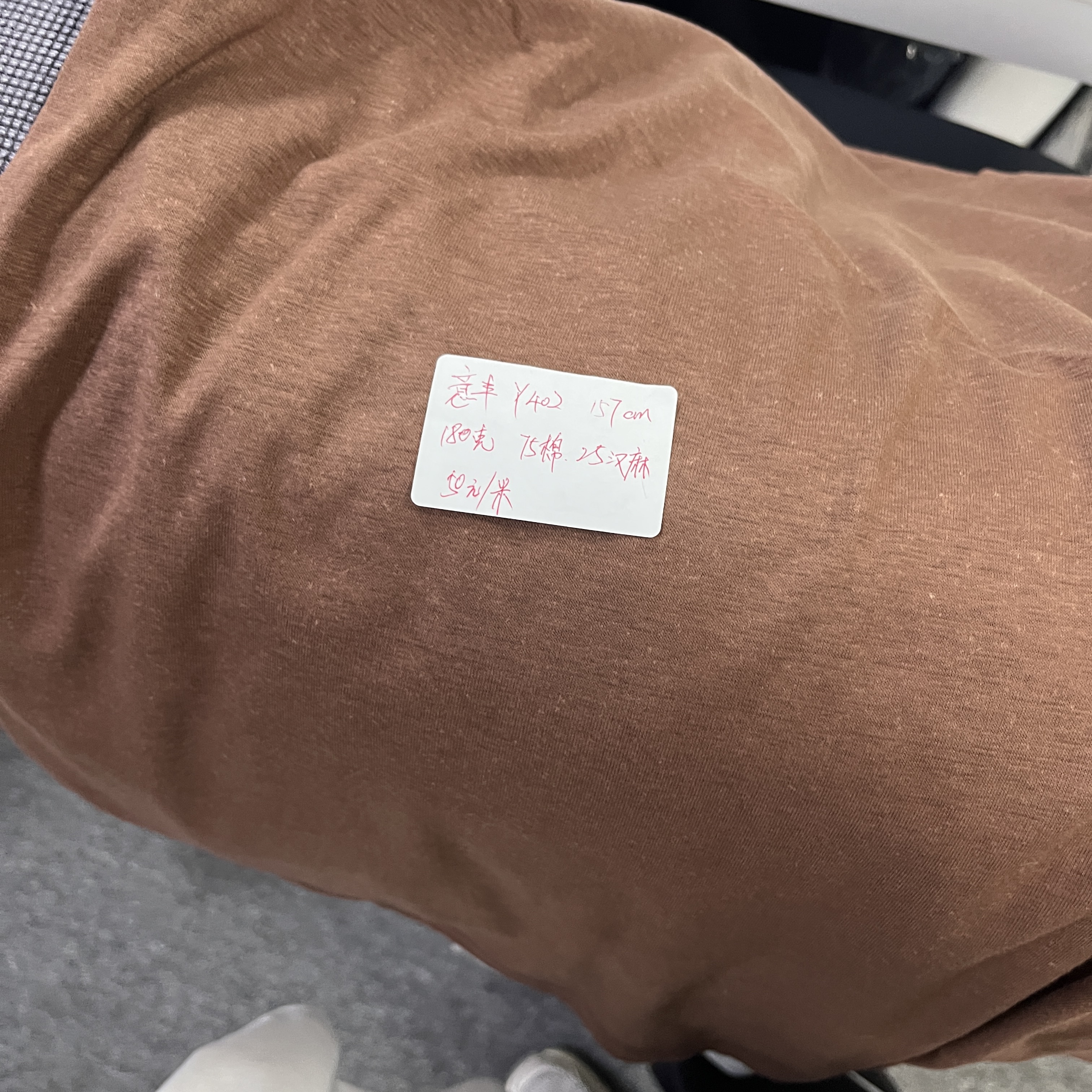
Midweight fabric, typically ranging from 180 GSM to 260 GSM, behaves differently on a boxy fit t shirt. The lighter construction allows the boxy fit t shirt to drape with slightly more movement, softening the silhouette without collapsing it entirely. For a boxy fit t shirt intended for layering or warmer-weather wear, this flexibility is an advantage. However, the midweight boxy fit t shirt must be carefully pattern-engineered so the relaxed structure reads as intentional rather than accidental.
Shoulder and Hem Behavior Under Different Weights
The dropped shoulder is the most visible design feature of a boxy fit t shirt, and fabric weight influences how this seam behaves in motion. On a heavyweight boxy fit t shirt, the shoulder seam stays fixed with minimal shifting, preserving the garment's proportions throughout the day. On a midweight boxy fit t shirt, the shoulder seam may migrate slightly, which can soften the silhouette but also risks making the boxy fit t shirt look unintentionally unkempt on certain body types. Hem behavior follows a similar logic — heavyweight fabric produces a straighter, more assertive hem on a boxy fit t shirt, while midweight fabric allows a subtle natural rise at the sides.
Heavyweight Fabric and the Boxy Fit T Shirt in Streetwear
Why Streetwear Prefers Heavier Construction
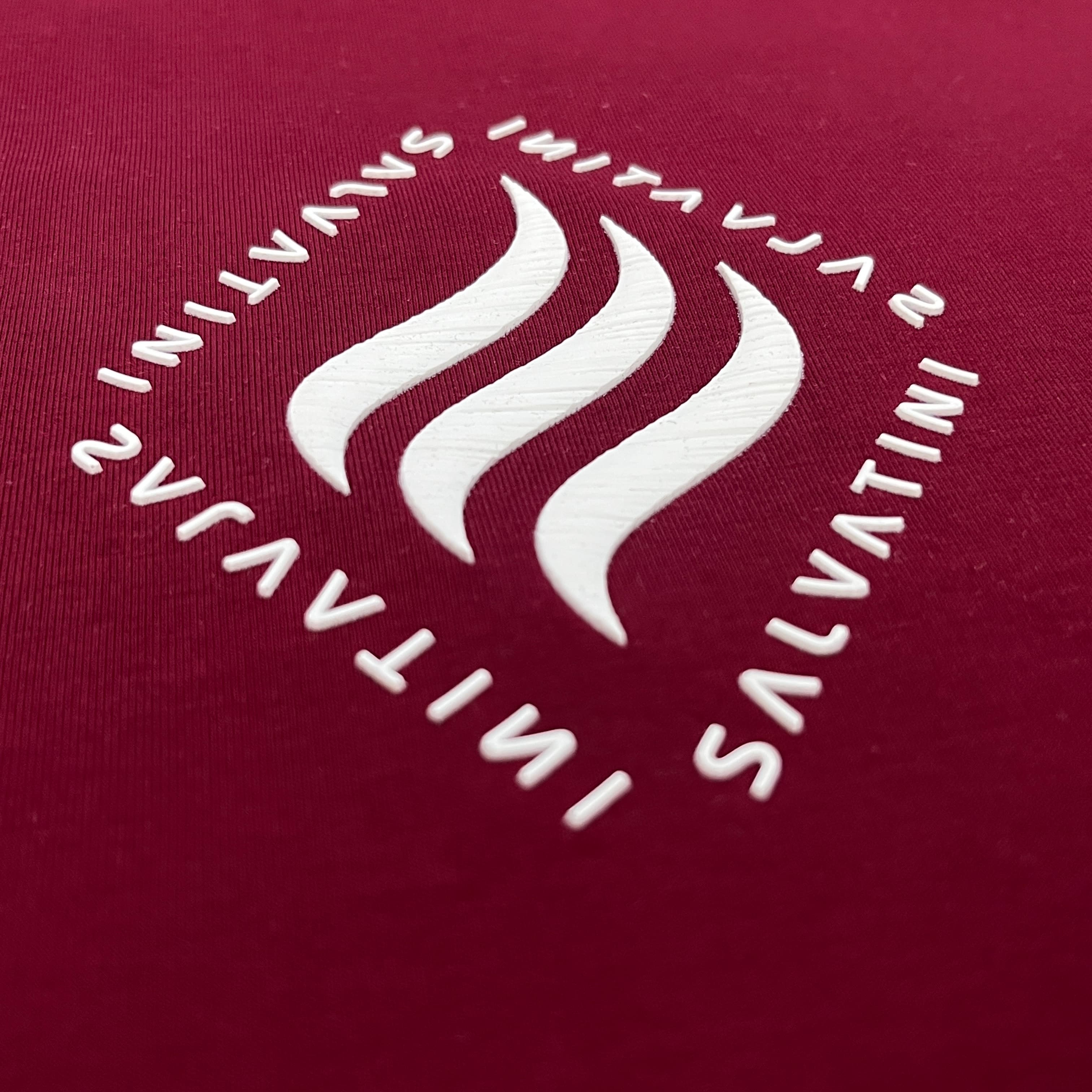
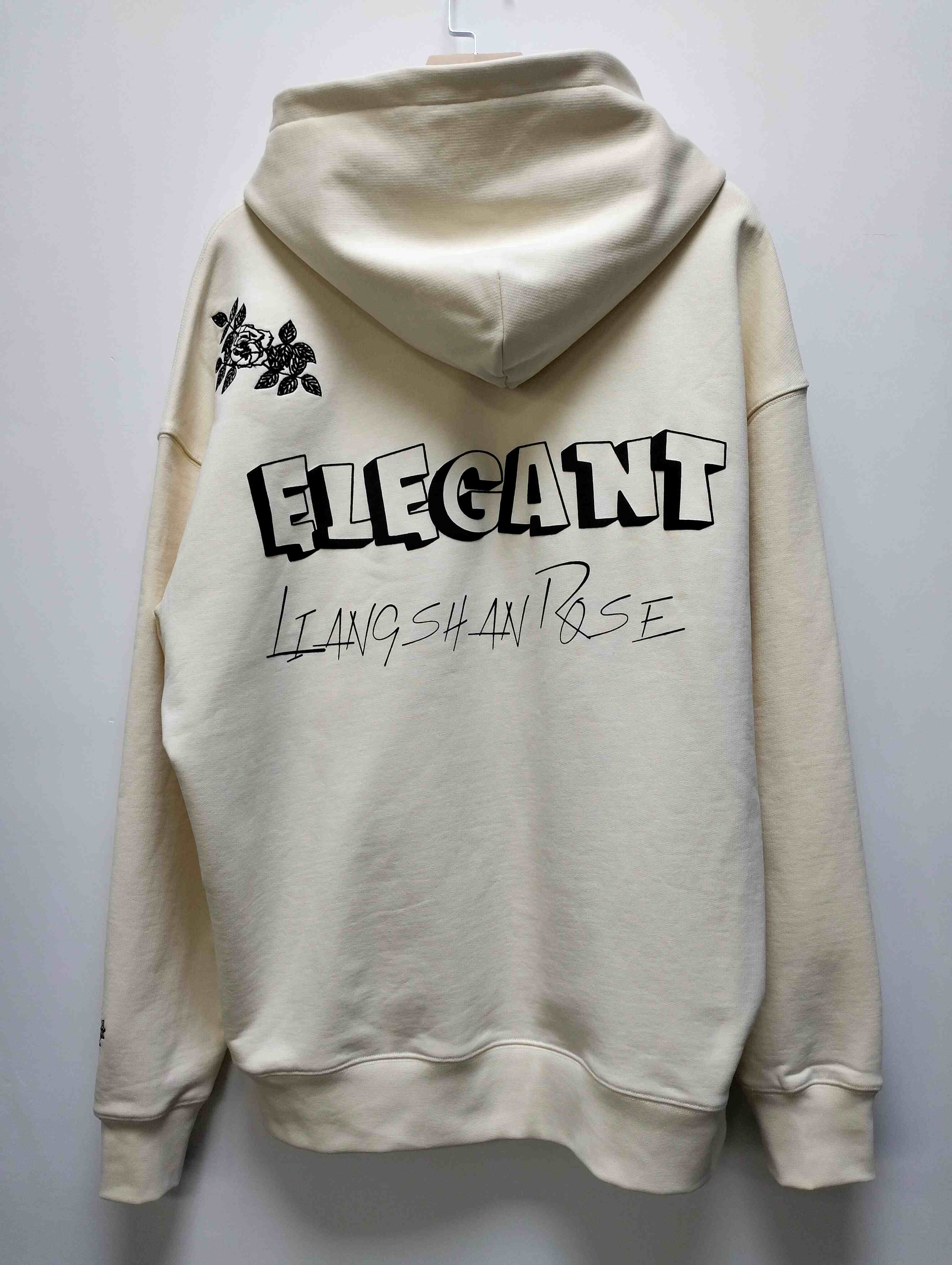
Urban streetwear has long gravitated toward heavyweight fabric for the boxy fit t shirt. The premium tactile feel of a dense cotton boxy fit t shirt communicates quality immediately upon handling — a critical factor in retail and direct-to-consumer streetwear contexts where first impressions drive purchase decisions. A heavyweight boxy fit t shirt holds screen-printed or embroidered graphics more crisply, reducing distortion in artwork that is central to the aesthetic identity of a streetwear boxy fit t shirt.
Beyond aesthetics, a heavyweight boxy fit t shirt offers greater durability and colorfastness over repeated washing cycles. Brands producing a boxy fit t shirt for long-term wardrobe use — rather than fast-fashion turnover — often specify 300 GSM or higher precisely because the boxy fit t shirt retains its shape and weight after laundering. This longevity reinforces brand reputation and reduces return rates, making the heavyweight boxy fit t shirt a commercially sound specification choice for OEM and private-label programs.
Limitations of Heavyweight Fabric for a Boxy Fit T Shirt
A heavyweight boxy fit t shirt is not without trade-offs. The increased fabric cost per unit raises the base price of each boxy fit t shirt, which can compress margins for brands operating at competitive retail price points. A heavyweight boxy fit t shirt also carries more thermal mass, making it less comfortable in hot and humid climates. Brands targeting warm-weather markets or year-round casual wear may find that a midweight boxy fit t shirt better aligns with end-consumer comfort expectations without significantly compromising the structural silhouette.
Midweight Fabric as a Versatile Option for a Boxy Fit T Shirt
When Midweight Delivers Sufficient Structure
A midweight boxy fit t shirt can achieve strong structural results when the pattern and construction are optimized for lighter fabric. Reinforced side seams, a slightly wider hem allowance, and a firmer collar rib all contribute to giving a midweight boxy fit t shirt a composed, intentional appearance. For a boxy fit t shirt used in lifestyle or resort wear collections, midweight fabric provides the relaxed drape that suits the context while still maintaining the boxy fit t shirt's wider-than-standard proportions.
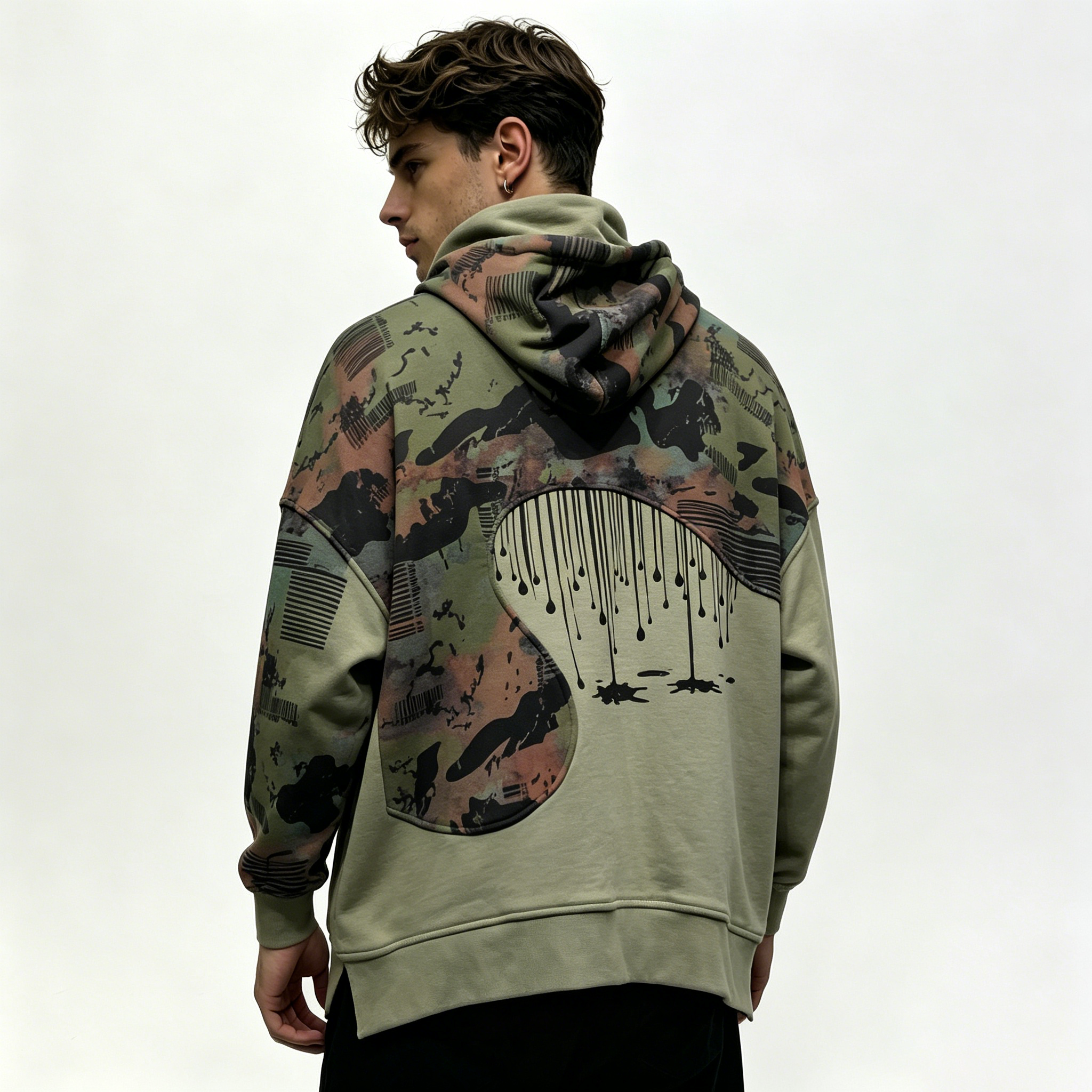
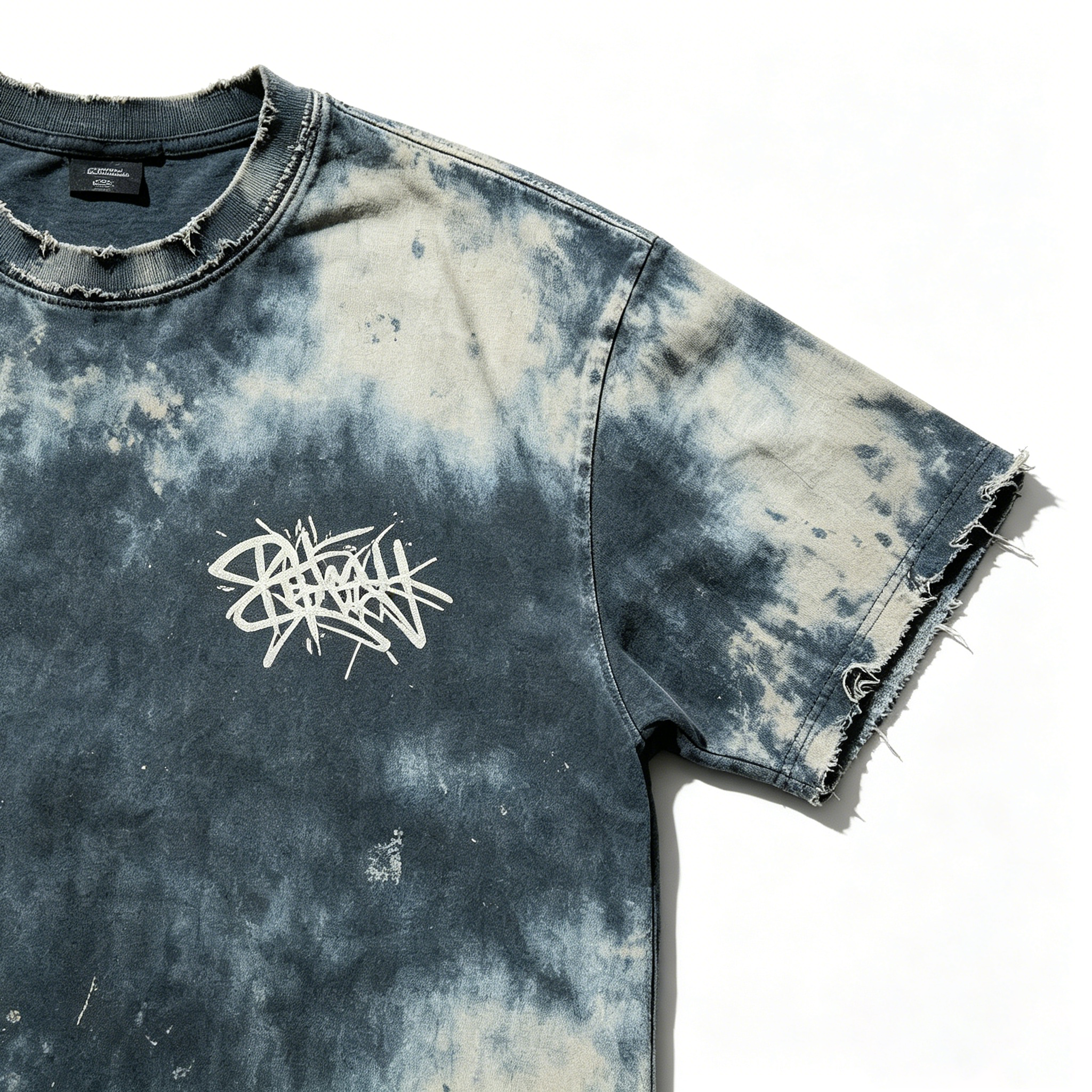
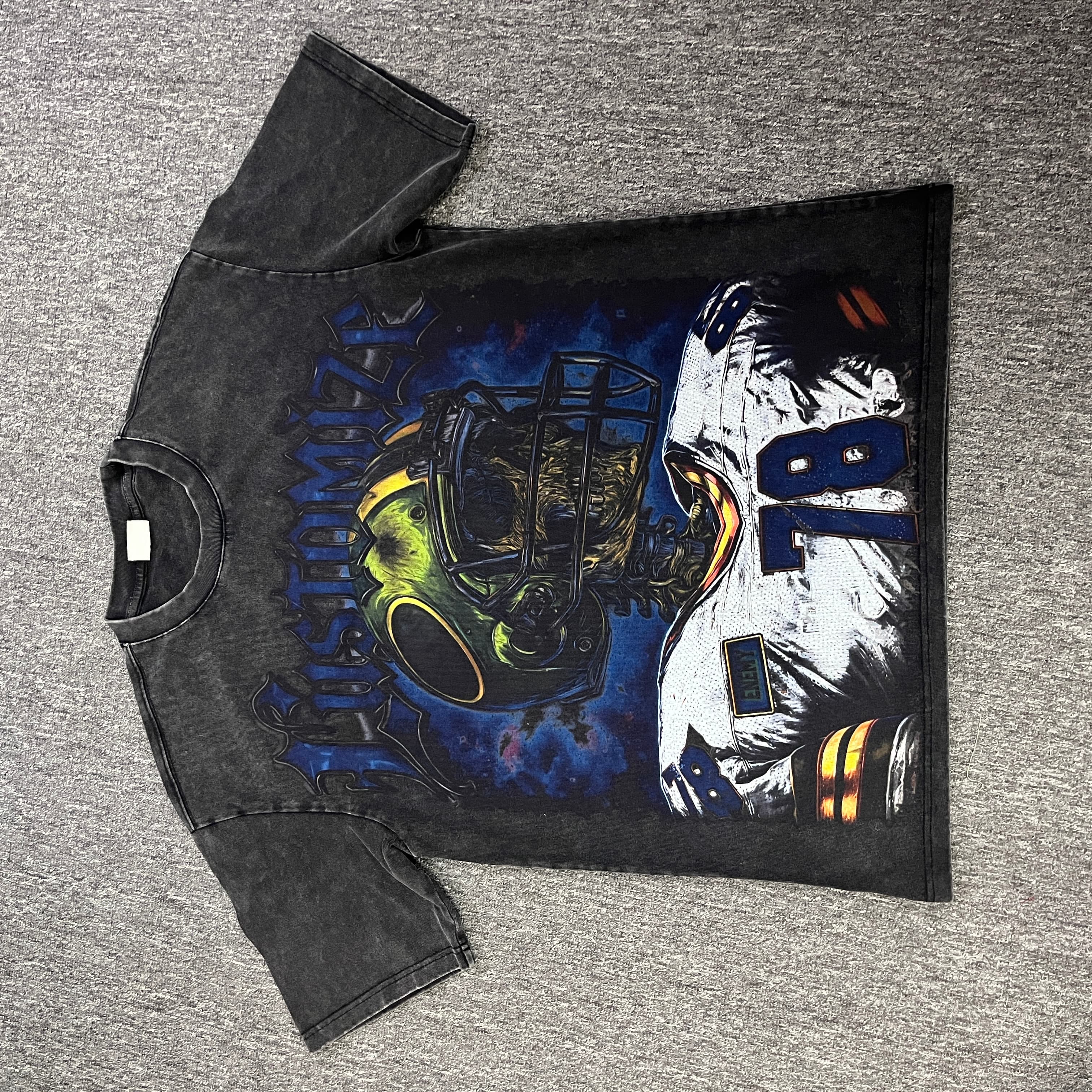
Midweight fabric also opens the boxy fit t shirt to a broader range of printing and dyeing techniques. All-over print applications, acid wash effects, and enzyme-washed finishes interact more naturally with midweight cotton, giving the boxy fit t shirt a softer, more lived-in character. For brands building a boxy fit t shirt collection with a vintage or worn aesthetic, midweight fabric often produces a more authentic result than heavyweight alternatives.
Choosing the Right Weight Based on End Use
The correct fabric weight for a boxy fit t shirt ultimately depends on the garment's primary use context. A boxy fit t shirt designed for urban streetwear, graphic-heavy drops, or premium brand positioning benefits from heavyweight construction. A boxy fit t shirt intended for casual everyday wear, layering, or warm-climate markets performs better in midweight fabric. Brands developing a boxy fit t shirt line should evaluate both weights through physical samples before committing to a production specification, as the same pattern can read very differently in 220 GSM versus 300 GSM fabric.
What GSM is considered heavyweight for a boxy fit t shirt?
For a boxy fit t shirt, heavyweight fabric is generally considered to be 280 GSM and above. Many premium streetwear boxy fit t shirt programs specify between 300 GSM and 320 GSM for maximum structure and durability. Fabric below 260 GSM is typically classified as midweight for boxy fit t shirt production purposes.
Can a midweight boxy fit t shirt hold its shape after repeated washing?
Yes, a midweight boxy fit t shirt can retain its shape after washing if it is constructed with quality pre-shrunk cotton and reinforced seam finishes. However, a midweight boxy fit t shirt is more susceptible to gradual shape distortion over time compared to a heavyweight boxy fit t shirt. Proper care instructions and high-quality yarn are essential for preserving the midweight boxy fit t shirt's silhouette long-term.
Is heavyweight or midweight better for graphic printing on a boxy fit t shirt?
Heavyweight fabric generally provides a superior printing surface for a boxy fit t shirt, particularly for bold screen prints and high-detail graphic artwork. The dense weave of a heavyweight boxy fit t shirt reduces ink bleed and improves print longevity. That said, midweight fabric is well-suited for all-over print techniques on a boxy fit t shirt, where a softer hand feel and greater fabric flexibility are desirable for the final aesthetic.

 EN
EN