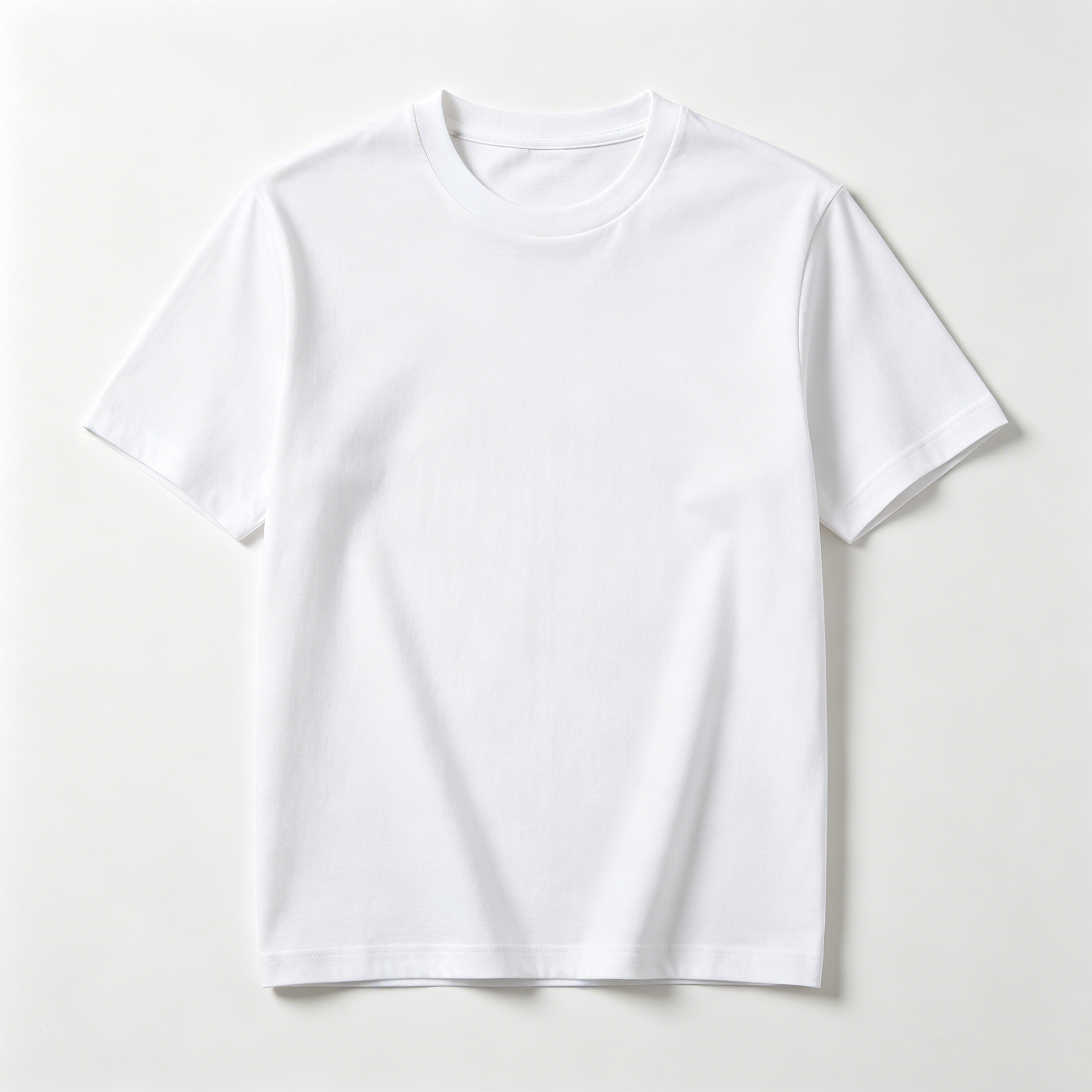
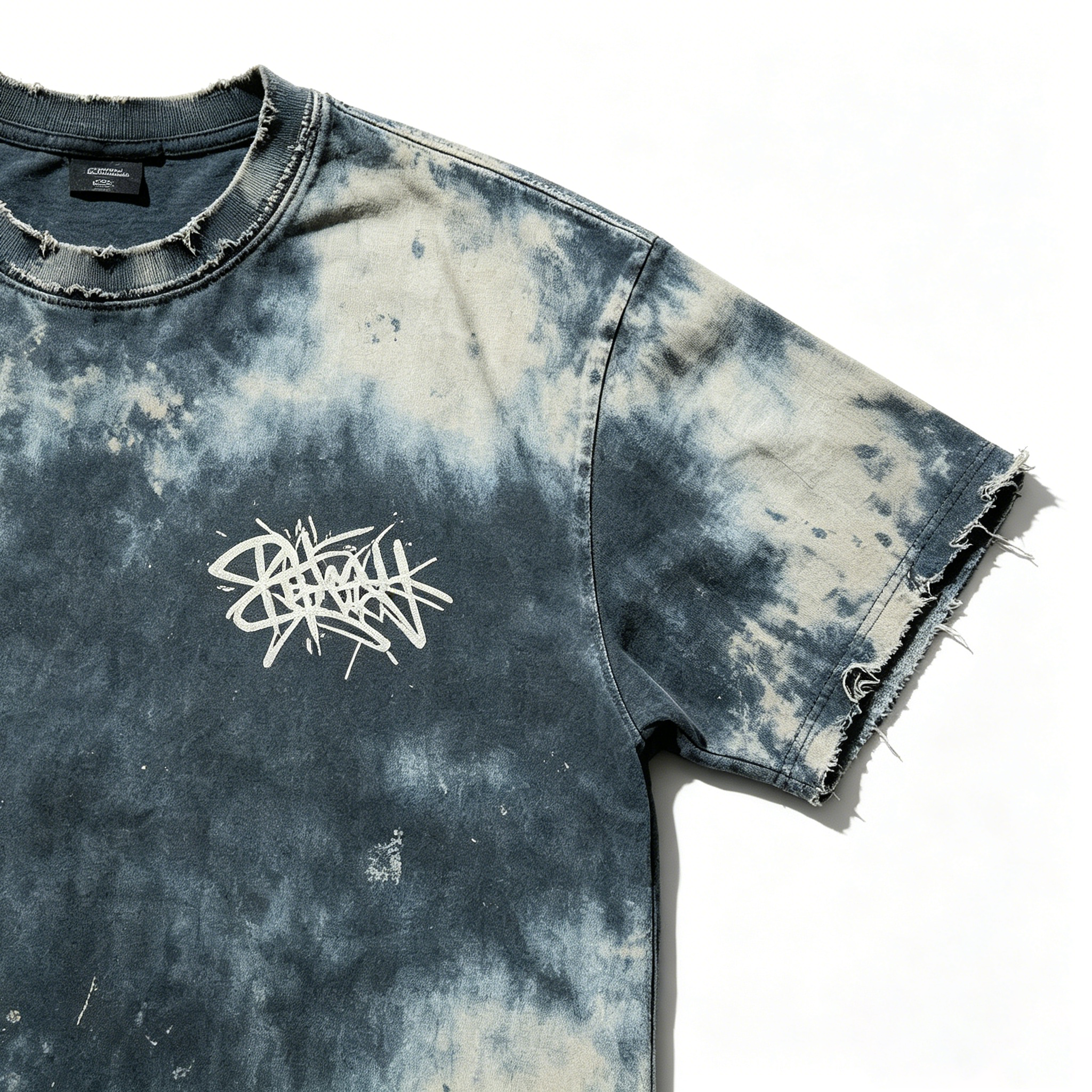
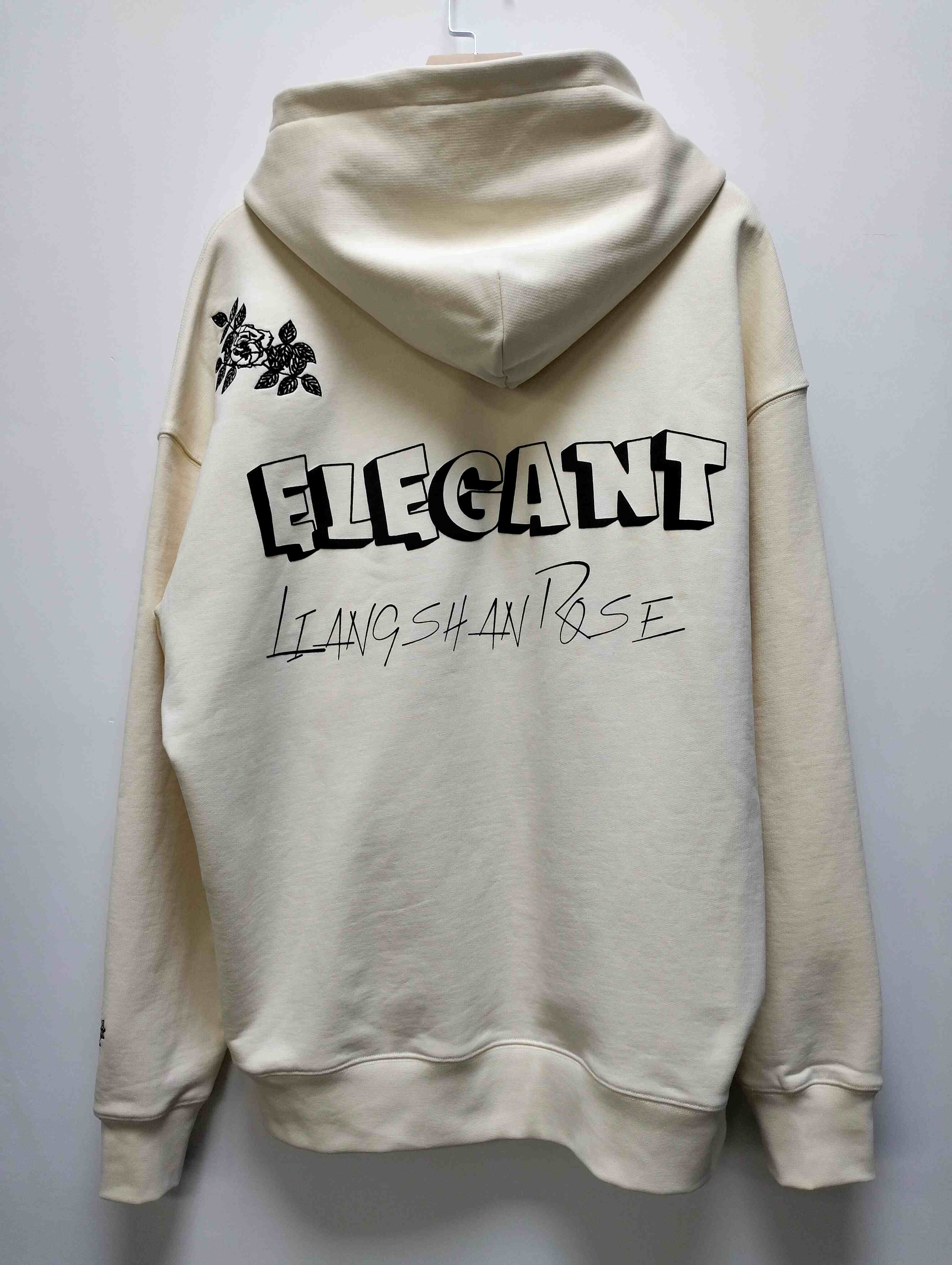
When brands source blank t-shirts for private label or OEM production, the finishing stage often surprises buyers with unexpected costs. stone wash processing is one of the most requested finishing treatments in today's market, especially for brands chasing a vintage, worn-in aesthetic. Understanding exactly how much stone wash adds to the unit cost of a blank t-shirt helps buyers plan margins accurately and avoid costly miscalculations at the sourcing stage.

The stone wash process involves tumbling garments with pumice stones or using chemical stone wash agents inside large industrial drums. This mechanical or chemical action softens the fabric, fades the color slightly, and creates a naturally distressed texture that consumers associate with premium streetwear and heritage apparel. Because stone wash requires additional labor, equipment time, water, and consumable materials, it consistently adds a meaningful layer of cost on top of the base garment price. The exact amount depends on several production variables that every buyer should understand before placing an order.
The Core Cost Factors Behind Stone Wash Processing
Material and Machine Variables
The primary driver of stone wash cost is the type of wash method selected. Traditional stone wash uses physical pumice stones, which wear down during the process and must be replenished regularly. Chemical stone wash, which uses cellulase enzymes or oxidizing agents to mimic the distressed effect, eliminates the need for stones but introduces chemical procurement costs instead. For most blank t-shirt orders, the stone wash method chosen by the factory will directly influence the per-unit processing fee. Stone wash using pumice is typically more expensive in labor and post-wash cleanup compared to enzyme-based alternatives, so buyers requesting a specific stone wash effect should confirm which method the supplier uses.
Machine capacity also plays a role. Stone wash drums handle a limited batch size per cycle, and loading smaller quantities means the fixed cost of one machine run is spread across fewer garments. This is why the stone wash cost per unit is noticeably higher on smaller orders. A factory running stone wash on 500 units versus 5,000 units will quote a significantly different per-piece rate, since large batches dilute setup, labor, and machine wear costs far more efficiently.
Fabric Weight and Construction
Heavier cotton fabrics, such as those used in 280 GSM or 300 GSM t-shirts, absorb more stress during the stone wash cycle and require longer drum time. This extended processing duration increases energy costs and machine usage per batch. Stone wash on a heavyweight blank t-shirt therefore costs more per unit than the same stone wash treatment applied to a lightweight garment. For buyers sourcing thick, vintage-style blanks, this compound effect of heavier fabric plus stone wash finishing is important to price into the final unit cost from day one.
Typical Price Range Added by Stone Wash
Standard Market Estimates
In practical terms, stone wash processing typically adds between USD 0.40 and USD 1.50 per unit to the cost of a plain blank t-shirt, depending on the wash method, order volume, garment weight, and the factory's overhead structure. For enzyme-based stone wash on mid-weight cotton at high volumes, the addition is usually at the lower end of that range. For pumice-based stone wash on heavy cotton at smaller quantities, the addition moves toward the upper end. Buyers who request a double stone wash effect or a more heavily distressed stone wash finish can expect to pay above the standard range. These estimates reflect processing cost only and do not include base fabric cost, cut-and-sew, or additional treatments like pigment dye or printing.
Stone wash also introduces a rejection or rework rate that indirect buyers often overlook. Because the stone wash process creates physical stress on garments, a small percentage of units may develop uneven fading, pilling, or minor structural damage. Factories typically absorb minor rejection rates internally, but when buyers request an extremely aggressive stone wash effect, the rework rate increases and the factory may adjust the unit price accordingly. Transparent communication about the desired stone wash intensity is essential to getting an accurate quote.
Comparing Stone Wash to Other Finishing Options
To contextualize the stone wash cost, it helps to compare it against other popular finishing methods. A simple garment wash, which softens the fabric without creating distressed effects, usually adds USD 0.15 to USD 0.35 per unit. A full stone wash adds significantly more due to equipment wear and longer cycle times. Acid wash, which creates bold bleached patterns, is comparable in cost to stone wash but involves different chemistry. For brands evaluating whether stone wash is the right investment, the key question is whether the visual result justifies the per-unit cost premium relative to the retail price point and brand positioning. Stone wash is most cost-effective when it becomes a recognizable brand signature rather than just an optional finish.
When Stone Wash Processing Delivers the Best Value
Brand Positioning and Consumer Perception
Stone wash processing delivers the strongest return on investment when the brand's identity is built around vintage, washed, or relaxed aesthetics. Consumers shopping in the premium streetwear, workwear heritage, or lifestyle categories actively seek the tactile softness and visual character that stone wash creates. When stone wash is central to the product story, the added cost per unit is justified by the ability to command higher retail prices and reduce reliance on heavy graphic treatment to create visual interest. A stone wash blank already carries perceived premium value before any print or embroidery is added.
Production Volume and Long-Term Sourcing
Brands that commit to regular, high-volume stone wash orders benefit from better unit economics over time. Factories are more willing to optimize their stone wash workflow, invest in consistent quality control, and offer volume-based pricing to buyers who treat stone wash as a recurring requirement rather than a one-time experiment. Establishing a long-term stone wash sourcing relationship also allows buyers to develop a standardized wash recipe, reducing inconsistency between production runs and lowering the rejection rate that can quietly inflate effective per-unit costs.
Does stone wash processing affect garment shrinkage?
Yes. Because stone wash involves wet processing under mechanical agitation, garments typically undergo most of their shrinkage during the stone wash cycle. This is actually a benefit for buyers, since stone wash pre-shrinks the fabric and reduces the risk of further shrinkage after the consumer washes the garment. Factories account for this by cutting garments slightly larger before the stone wash stage.
Can stone wash be applied after screen printing?
Stone wash is almost always applied to blank garments before printing. Applying stone wash after screen printing would damage or fade the ink, distort registration, and produce inconsistent results. For brands that want both a stone wash finish and printed graphics, the standard workflow is stone wash first, quality check second, then print on the finished stone wash blank.
Is there a minimum order quantity for stone wash processing?
Most factories that offer stone wash processing set a minimum order quantity per colorway or per wash cycle, typically ranging from 200 to 500 units. Below this threshold, the stone wash cost per unit rises steeply because machine setup and labor cannot be diluted across enough garments to remain cost-efficient. Buyers with smaller order needs should discuss batch-sharing options or look for suppliers who specialize in small-run stone wash production.

 EN
EN