When sourcing apparel in bulk, understanding how wholesale pricing is structured for each silhouette can directly impact your margins. A boxy fit t shirt and a slim fit t shirt may look like simple style choices, but in the wholesale market they carry distinctly different cost structures, fabric requirements, and demand dynamics. Buyers who treat these two silhouettes as interchangeable at the pricing level often end up with unexpected cost surprises.

The boxy fit t shirt has grown rapidly in streetwear, urban casual, and vintage-inspired collections, which means wholesale demand has surged alongside it. At the same time, slim fit remains a staple for corporate, activewear, and mainstream retail channels. Comparing their wholesale pricing is not simply about which is cheaper per unit — it involves fabric consumption, construction complexity, minimum order quantities, and market positioning. This article breaks down exactly how the two silhouettes compare so that wholesale buyers can make well-informed sourcing decisions.
Fabric Consumption and Material Cost Differences
Why the Boxy Fit T Shirt Uses More Fabric
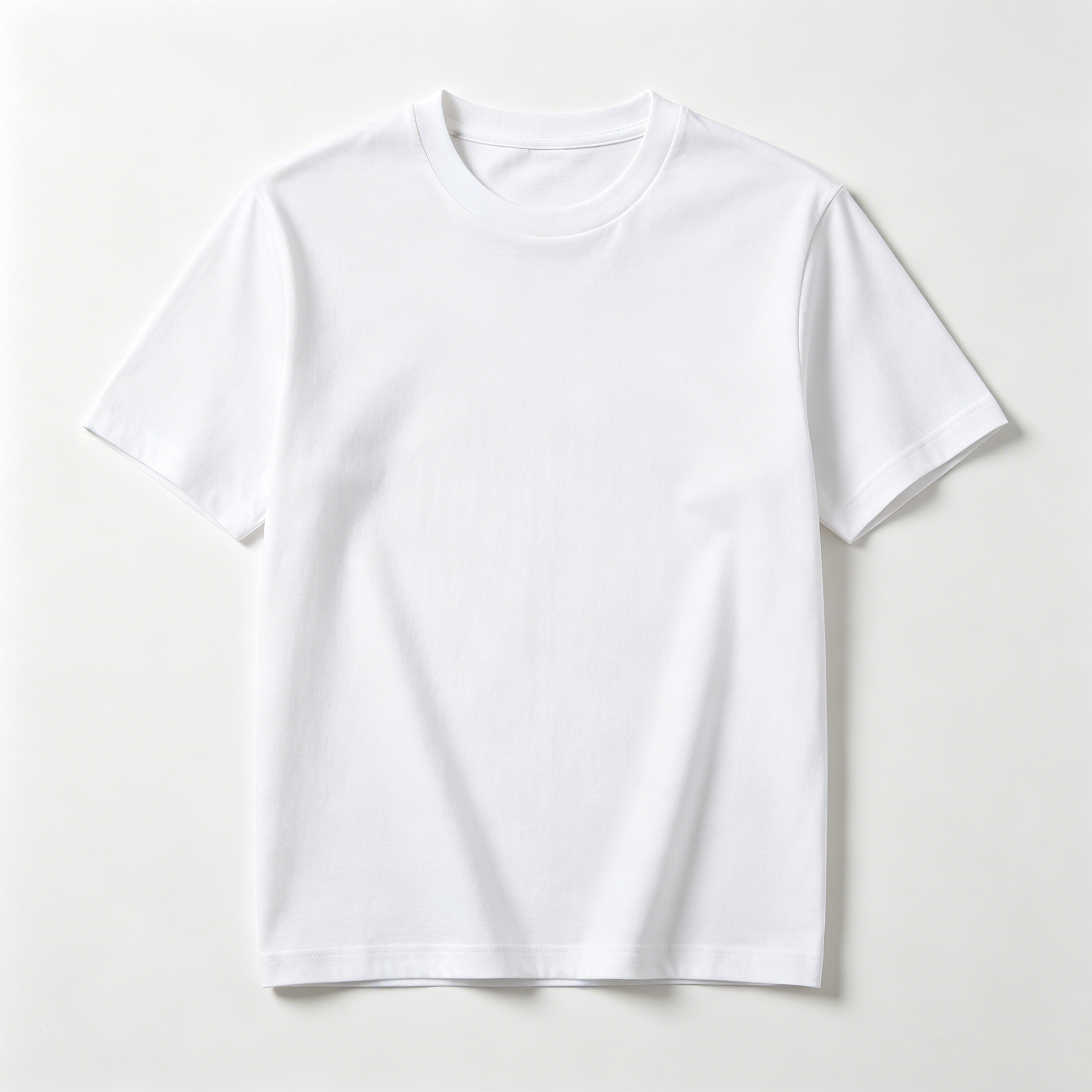
The most direct driver of wholesale price difference is fabric consumption. A boxy fit t shirt is cut with a wider body, dropped shoulders, and a straighter hem, which means significantly more fabric is used compared to a slim fit garment in the same declared size. For a standard medium, a boxy fit t shirt may require 15 to 25 percent more fabric than its slim fit equivalent, depending on how extreme the oversized silhouette is. In wholesale production, this difference is multiplied across hundreds or thousands of units, so the raw material cost gap becomes very real.
When factories quote a boxy fit t shirt at wholesale, the fabric cost is already built into the base price. Heavier fabrics like 280 GSM or 300 GSM cotton, which are commonly used for the boxy fit t shirt in streetwear ranges, add further to the per-unit cost. Slim fit styles, by contrast, are often produced in lighter 160 to 200 GSM fabrics that keep material costs lower. So at the fabric level alone, a boxy fit t shirt will generally carry a higher wholesale base price than a comparable slim fit style.
Fabric Type and Its Effect on the Boxy Fit T Shirt Price
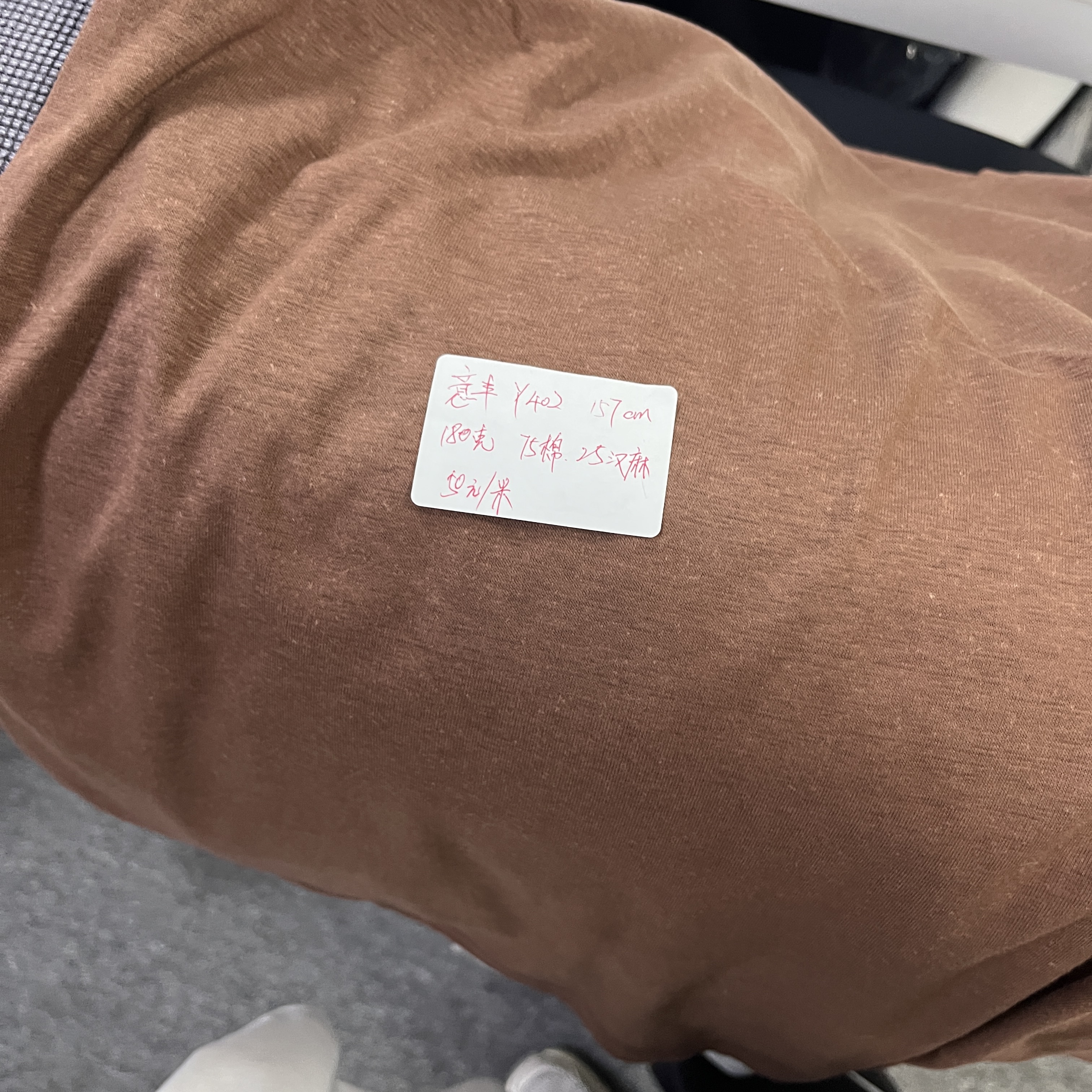
Beyond weight, the fabric type chosen for a boxy fit t shirt also influences wholesale pricing. Premium ring-spun cotton, heavyweight fleece blends, or enzyme-washed fabrics — all commonly specified for a boxy fit t shirt in the streetwear segment — cost more than the standard combed cotton typically used in slim fit production. A boxy fit t shirt produced in ring-spun 100 percent cotton with a garment wash finish will command a noticeably higher wholesale price than a slim fit t shirt made from standard open-end cotton. Buyers sourcing a boxy fit t shirt for a premium streetwear or vintage brand line should account for this premium in their costing.
Construction Complexity and MOQ Implications
How Construction Affects the Boxy Fit T Shirt Wholesale Cost
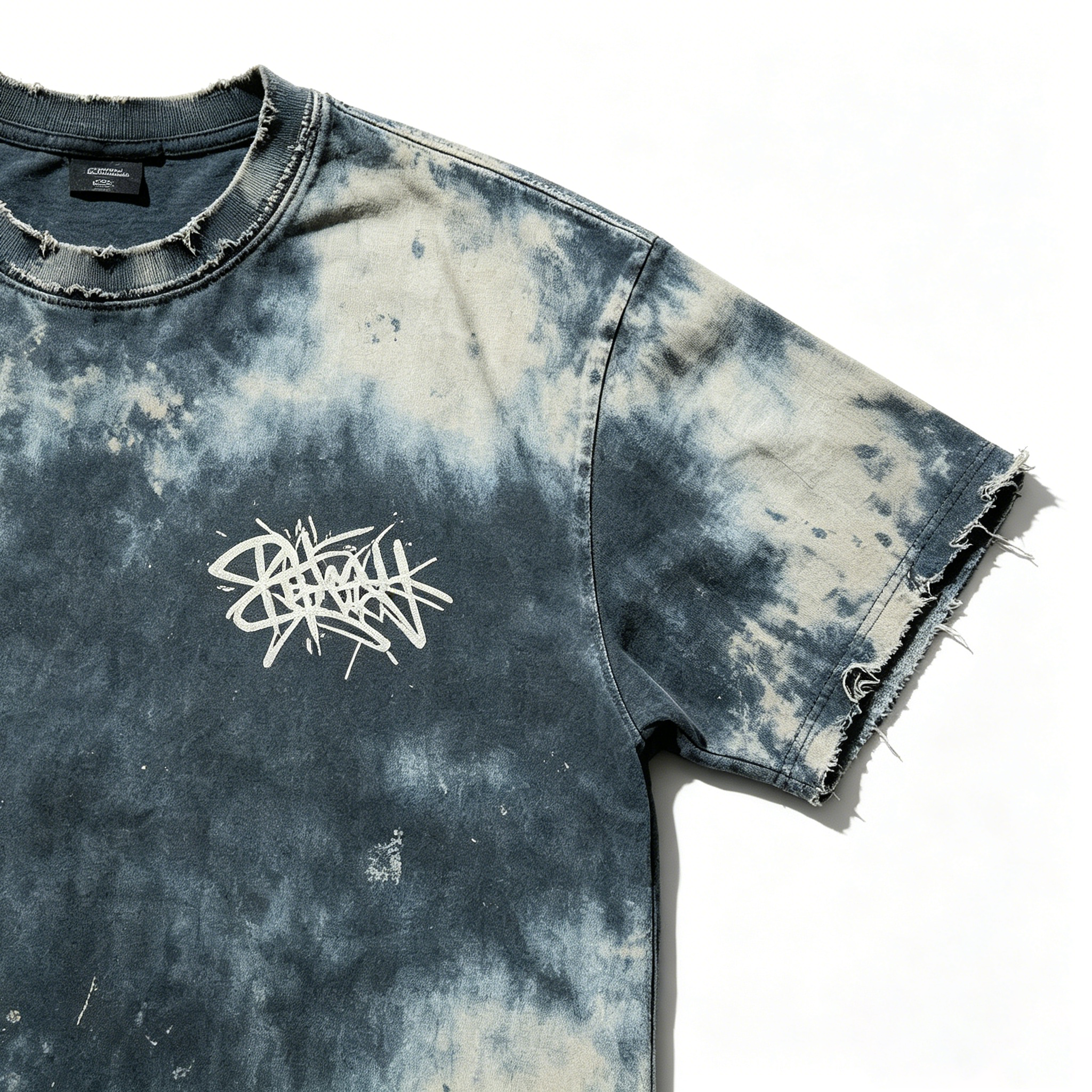
A boxy fit t shirt often involves dropped sleeve construction, wider rib collars, and sometimes side splits or hem detailing that add complexity to the cut-and-sew process. Each additional construction step increases labor time and therefore the factory's per-unit cost. Slim fit t shirts, by contrast, tend to follow a simpler set-in sleeve construction with a narrower body panel, making them faster and cheaper to produce at scale. When buying a boxy fit t shirt in bulk, wholesale buyers should expect the CMT (cut, make, trim) cost to run slightly higher than equivalent slim fit orders.
Minimum order quantities also interact with price differently for each silhouette. Because boxy fit t shirt production requires more fabric per unit and often attracts buyers with smaller, curated collections, some factories set a higher MOQ threshold for the boxy fit t shirt compared to slim fit basics. Meeting a higher MOQ to access tiered wholesale pricing is a real consideration for buyers who are just beginning to add a boxy fit t shirt range to their product lineup. Slim fit t shirts, being a more standardized cut, often have more flexible MOQs because factories can more easily absorb smaller runs into existing production lines.
Print and Decoration Costs on the Boxy Fit T Shirt
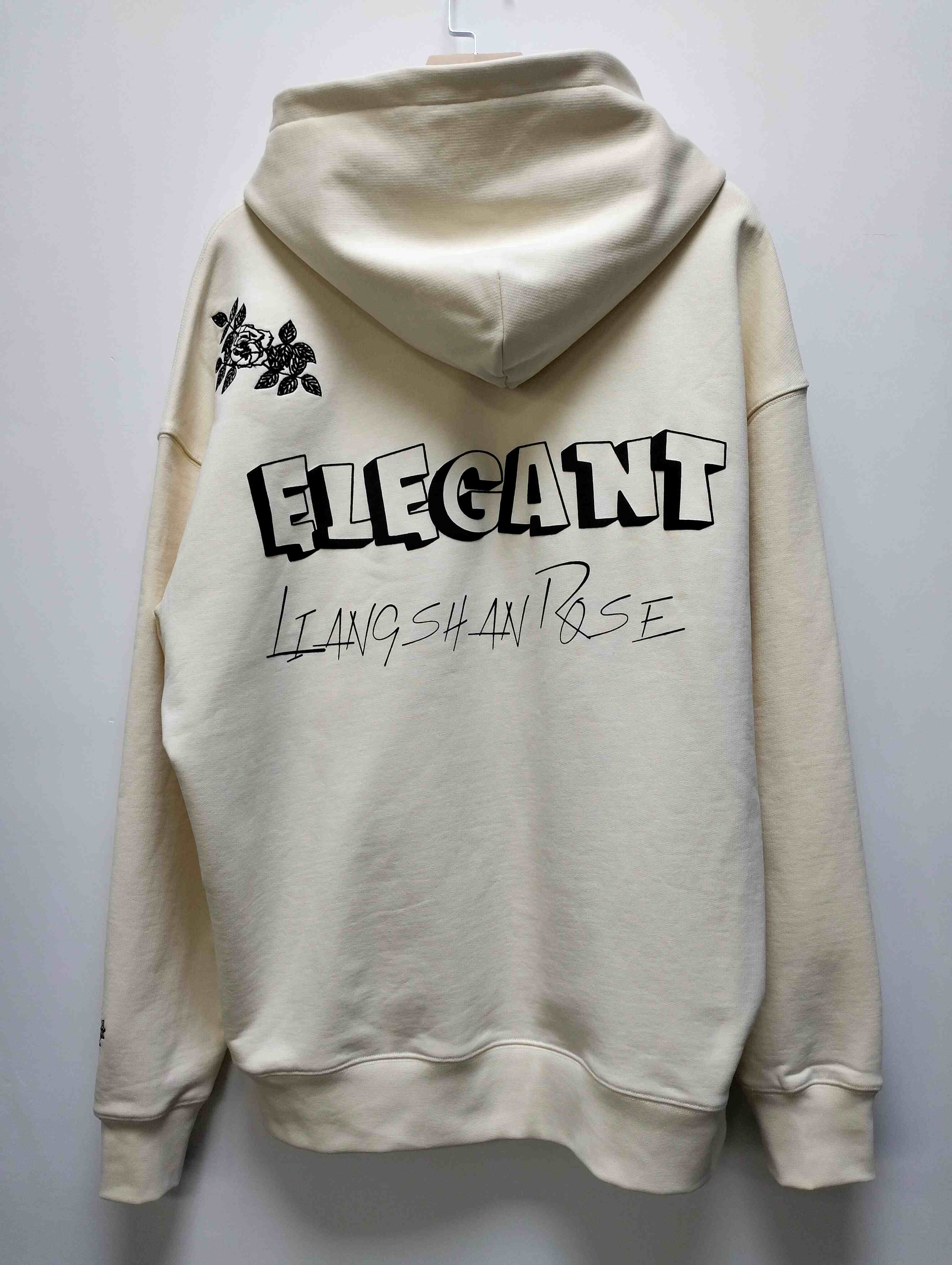
When a boxy fit t shirt carries graphic prints, silicone prints, or embroidery, the larger print area available on a boxy fit t shirt body can mean higher decoration costs compared to a slim fit version. A boxy fit t shirt provides an oversized canvas that streetwear brands frequently exploit for large chest graphics or all-over prints, both of which require more ink, more screens, or more embroidery thread than a slim fit t shirt decoration. Wholesale buyers should request detailed print cost breakdowns separately when comparing a boxy fit t shirt quote against a slim fit quote, as the garment price alone will not reveal the full picture.
Market Demand and Price Positioning in Wholesale Channels
The Boxy Fit T Shirt in Current Wholesale Market Demand
Wholesale pricing is never purely a function of production cost — market demand plays a strong role. The boxy fit t shirt has seen strong growth in demand from streetwear retailers, urban fashion brands, and online resellers, which has supported higher retail price points and, consequently, higher acceptable wholesale prices. A boxy fit t shirt often retails for a premium over a slim fit equivalent, giving wholesale buyers greater margin headroom even when the boxy fit t shirt costs more to source. This is a meaningful advantage when calculating the overall profitability of stocking a boxy fit t shirt versus a slim fit style.
Slim fit t shirts remain dominant in volume-driven wholesale channels such as corporate uniforms, event merchandise, and promotional apparel. In these segments, price per unit is the primary driver and margins are thinner. The boxy fit t shirt, positioned in fashion-forward or streetwear channels, supports better wholesale margins precisely because buyers are willing to pay more at retail. For buyers building a wholesale assortment, understanding which channel each silhouette serves will clarify how to allocate budget between a boxy fit t shirt and a slim fit option.
Negotiating Wholesale Pricing for the Boxy Fit T Shirt
When negotiating wholesale pricing for a boxy fit t shirt, buyers should consolidate orders across colorways and styles where possible to reach favorable volume breaks. Because a boxy fit t shirt uses more fabric per unit, even small increases in order volume can meaningfully reduce the per-unit cost as factories optimize fabric cutting efficiency. Buyers should also evaluate whether a boxy fit t shirt with a slightly simpler construction finish — such as a clean hem rather than a raw edge — can reduce the per-unit cost without compromising the brand's aesthetic. Understanding these levers gives wholesale buyers more control over their boxy fit t shirt sourcing costs.
Is a boxy fit t shirt always more expensive than a slim fit at wholesale?
Generally, yes. A boxy fit t shirt uses more fabric, often involves more complex construction, and is frequently made in heavier or premium materials, all of which push the wholesale base price higher than a comparable slim fit t shirt. However, the premium retail price that a boxy fit t shirt typically commands can offset this higher sourcing cost and still deliver strong margins.
What MOQ should I expect for a boxy fit t shirt in wholesale orders?
MOQ for a boxy fit t shirt varies by factory and style complexity, but buyers should commonly expect a minimum of 100 to 300 pieces per colorway for a basic boxy fit t shirt, and potentially higher for heavily customized versions with silicone prints or garment washing. Consolidating colorways into a single boxy fit t shirt style can help reach MOQ thresholds more efficiently.
How does print complexity affect the wholesale price of a boxy fit t shirt?
Print complexity significantly affects the total wholesale cost of a boxy fit t shirt. Large-area silicone prints, multi-color screen prints, or specialty finishes like cracked or puff prints add meaningful cost per unit. Because a boxy fit t shirt offers a larger print surface than a slim fit, the print cost contribution to the total wholesale price of a boxy fit t shirt is proportionally greater and should always be factored into cost comparisons.

 EN
EN