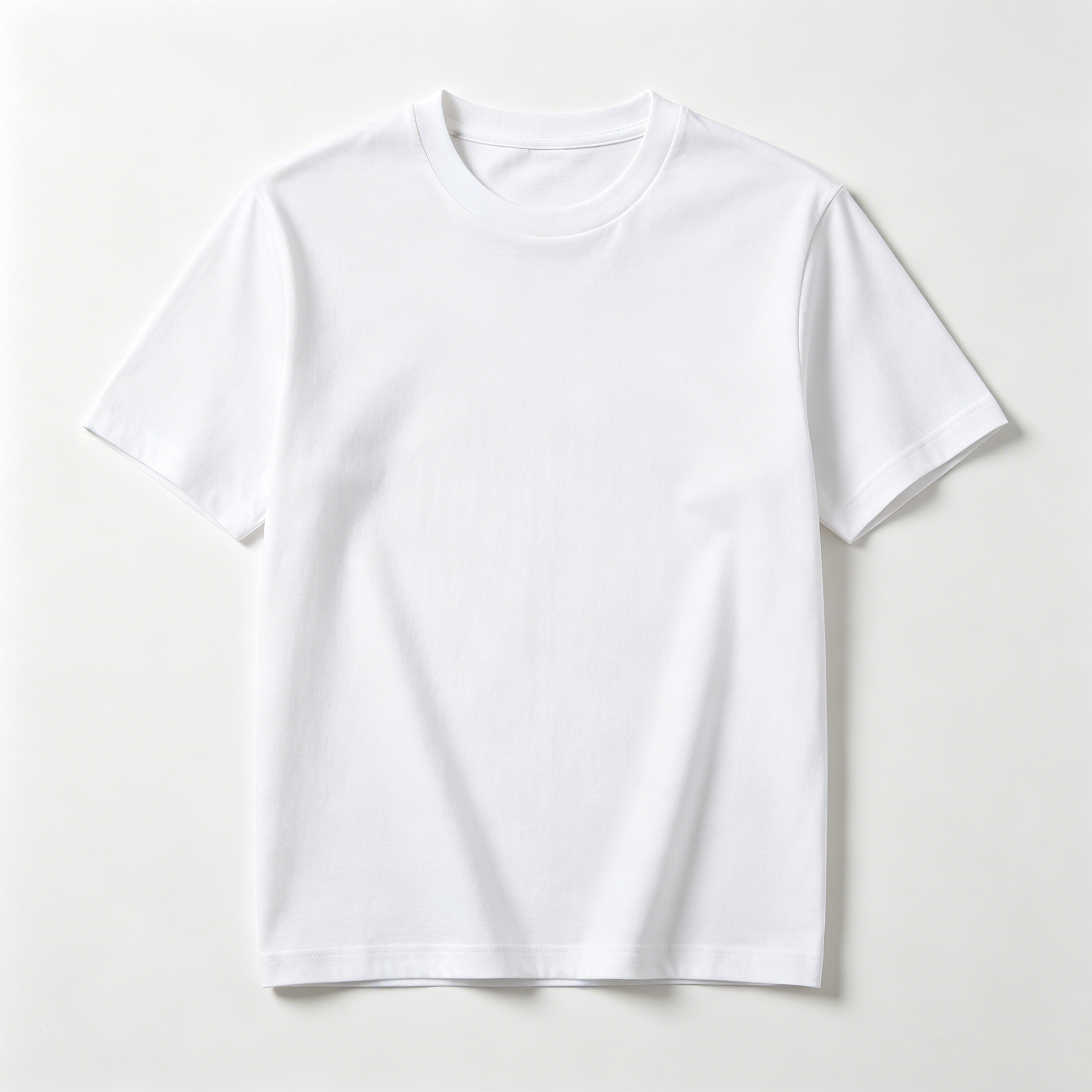
Producing a heavy weight t shirt is a fundamentally different challenge compared to working with standard jersey or lightweight fabrics. Manufacturers who specialize in this category must adapt every stage of their production process, from raw material sourcing to final finishing, to accommodate the unique physical demands of dense, thick cotton or cotton-blend fabrics. Understanding how this process works is valuable for brands, buyers, and product developers who want to deliver a premium garment that meets modern consumer expectations.

The heavy weight t shirt has become a staple across streetwear, workwear, and premium basics markets. Its popularity is driven by durability, structured silhouette, and a premium hand-feel that lighter alternatives simply cannot replicate. Manufacturers who work consistently with this product type develop specialized knowledge in fabric behavior, machine settings, and construction techniques that make or break the final result. This article walks through the key manufacturing considerations that define how a quality heavy weight t shirt is built from start to finish.
Fabric Preparation and Material Handling
Selecting and Pre-Treating Heavy Cotton Fabric
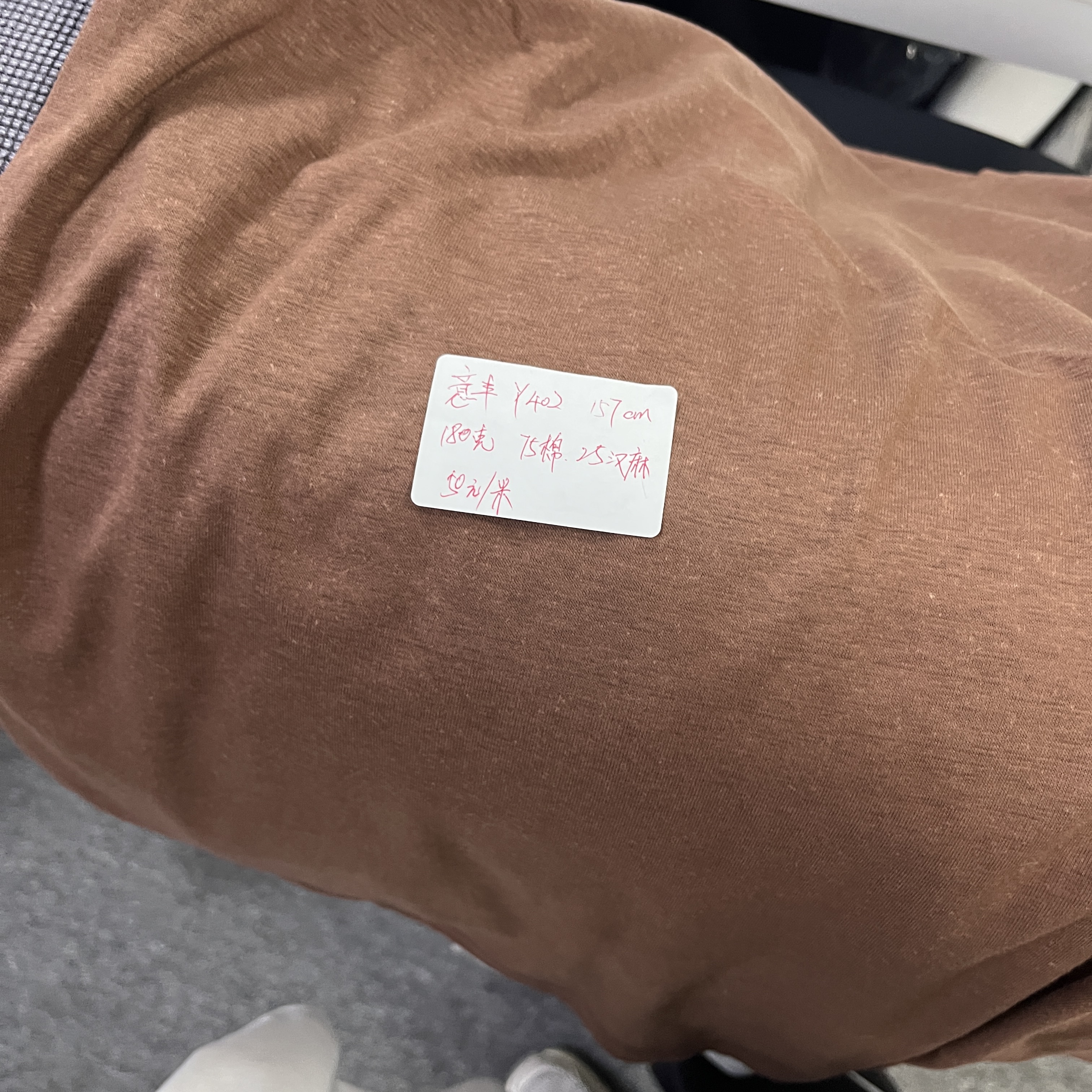
The foundation of every heavy weight t shirt lies in the fabric itself. Manufacturers typically source fabrics ranging from 220 GSM to 320 GSM or above, with many premium styles falling in the 260–300 GSM range. These fabrics require careful pre-treatment before cutting. Pre-washing or pre-shrinking the fabric is a critical step, because dense cotton has a strong tendency to shrink after the first consumer wash. Skipping this step leads to rejected garments and costly returns, so responsible factories build this into their standard workflow for every heavy weight t shirt order.
Relaxing the fabric on flat tables before cutting is another preparation step that matters significantly when working with a heavy weight t shirt. Heavy fabrics carry more tension from the roll and need adequate time to relax to their natural dimensions. If fabric is cut while still under tension, the cut pieces will shift and distort once released, causing panels that no longer align properly during sewing. Experienced manufacturers schedule controlled relaxation time as a non-negotiable part of their heavy weight t shirt production timeline.
Cutting Techniques for Thick Fabric Layers
Cutting a heavy weight t shirt fabric requires more powerful cutting equipment than standard jersey work. Straight-knife or band-knife cutting machines are preferred because they maintain clean, accurate cuts through multiple layers of dense material without dragging or distorting the fabric edge. The number of fabric plies stacked during cutting is also reduced compared to lightweight fabrics, because too many layers of a heavy weight t shirt fabric can cause blade deflection and inaccurate panel shapes. Factories balance efficiency and precision by adjusting ply height based on the specific GSM of the heavy weight t shirt fabric being processed.
Sewing and Construction Challenges
Machine Settings and Needle Selection
Sewing a heavy weight t shirt requires careful calibration of industrial sewing machines. Needle size is one of the first adjustments a production team makes when transitioning to a heavy weight t shirt run. Heavier fabrics demand larger needles, typically size 90 to 110, to penetrate cleanly without pushing or deflecting fibers. Thread tension also needs adjustment, as the increased fabric bulk of a heavy weight t shirt can cause skipped stitches or uneven seam tension if standard settings are used without modification. Operators with experience in heavy weight t shirt production develop an intuitive sense for these adjustments across different fabric weights.
Stitch type selection also plays a significant role in heavy weight t shirt construction. Flatlock seams are commonly used at side seams and shoulder seams to reduce bulk and increase comfort against the skin. Coverstitch is frequently applied at hems and cuffs of a heavy weight t shirt to provide both a clean external finish and strong seam integrity that resists stress during wear and washing. Each of these stitch choices reflects how a manufacturer adapts their technique specifically for the structural demands of a heavy weight t shirt rather than treating it like a standard garment.
Handling Seam Bulk and Panel Alignment
Seam bulk is one of the most persistent technical challenges in heavy weight t shirt manufacturing. At every junction where panels overlap, the combined fabric layers create thickness that must be managed through precise pressing, grading, or trimming. Industrial steam pressing is used extensively during and after sewing a heavy weight t shirt to flatten seams and maintain a clean silhouette. Without consistent pressing, the finished heavy weight t shirt looks uneven and feels bulky in ways that consumers associate with poor quality rather than fabric density. Panel alignment during assembly is equally important, as dense fabrics have less stretch tolerance, meaning any misalignment in a heavy weight t shirt is highly visible in the finished product.
Finishing, Printing, and Quality Standards
Surface Printing on Heavy Fabric
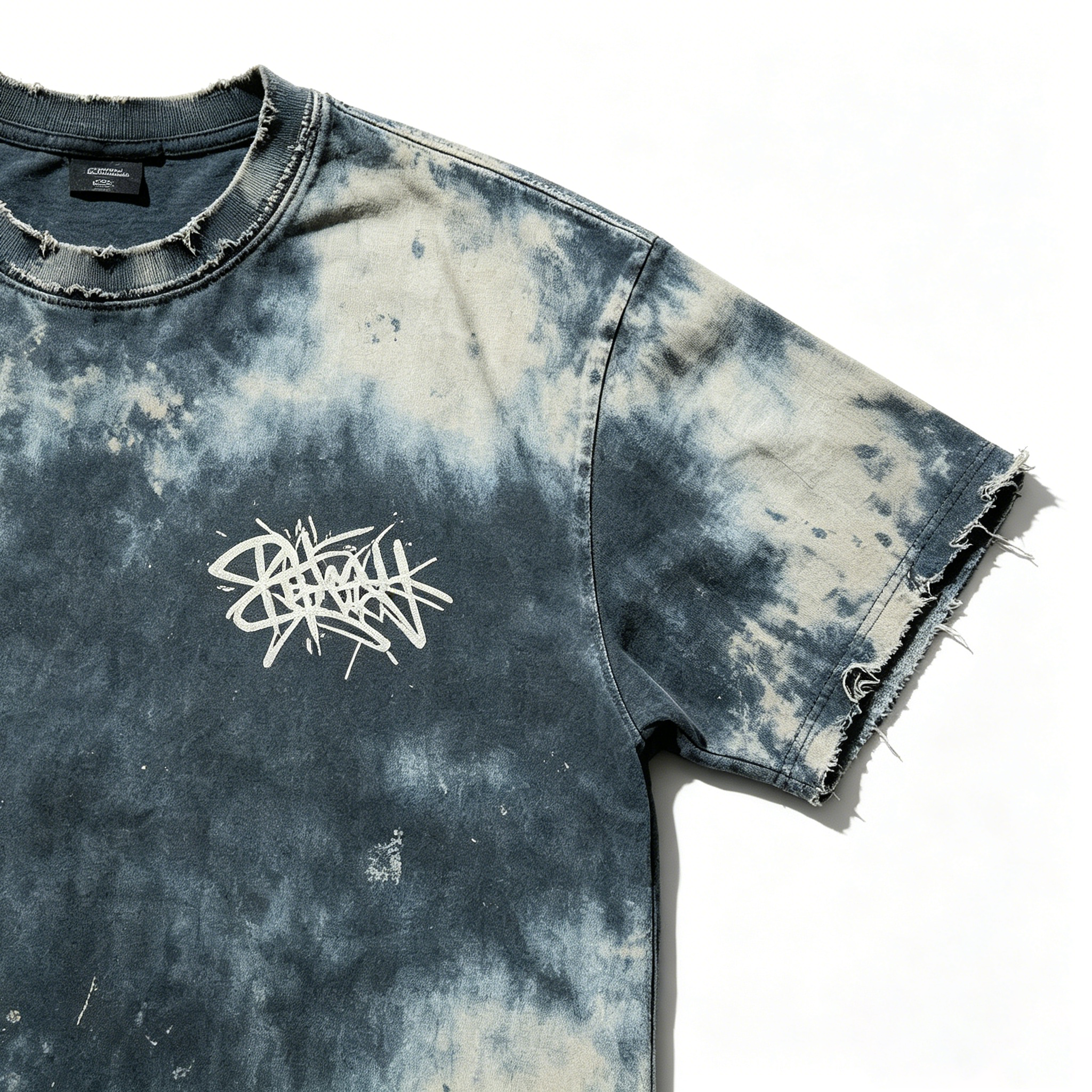
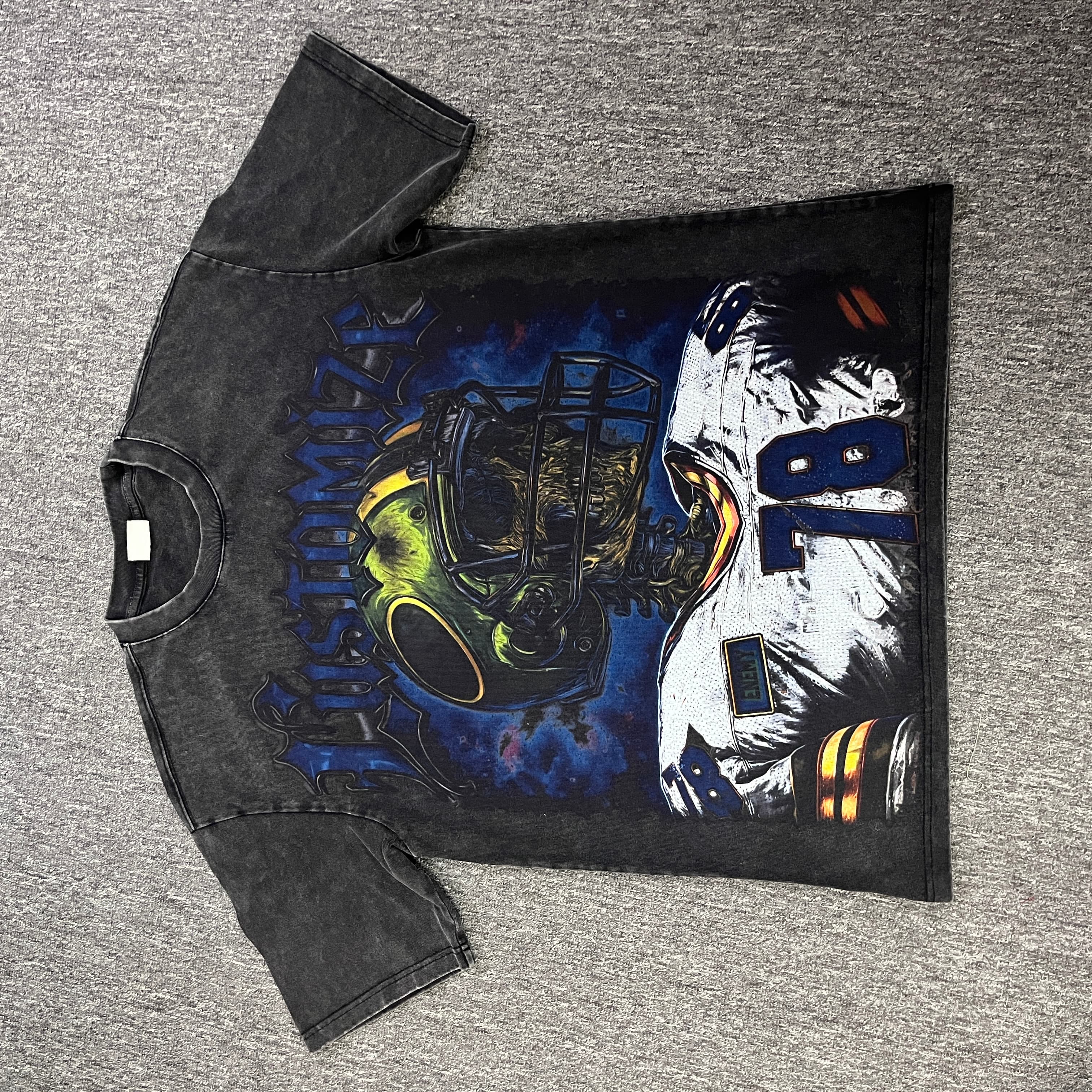
Graphic printing on a heavy weight t shirt presents unique surface considerations. Screen printing, which remains the dominant method for high-volume heavy weight t shirt production, requires adjusted ink formulations and squeegee pressure to ensure proper ink penetration into the dense fabric weave. Using standard lightweight-garment ink settings on a heavy weight t shirt often results in prints that sit on the surface and crack prematurely. DTG printing on a heavy weight t shirt also requires pre-treatment adjustments, as the tighter weave of heavy cotton can resist ink absorption if preparation is insufficient. Manufacturers who consistently produce printed heavy weight t shirt styles invest in regular calibration to keep print quality consistent across production runs.
Final Inspection and Quality Control
Quality inspection for a heavy weight t shirt covers dimensional accuracy, seam strength, print adhesion, and wash performance. Because customers buying a heavy weight t shirt expect longevity and structural integrity, quality control teams apply stricter seam pull-test standards compared to lighter garments. Every heavy weight t shirt also goes through a final press and fold inspection before packing, ensuring that the presentation matches the premium positioning of the product. Buyers sourcing a heavy weight t shirt from OEM or ODM manufacturers should confirm that wash-test protocols are part of the factory quality plan, since shrinkage and color retention after multiple washes are key performance benchmarks for any serious heavy weight t shirt program.
What GSM range is considered a heavy weight t shirt?
A heavy weight t shirt generally falls in the 220 to 320 GSM range, with most premium styles sitting between 260 and 300 GSM. Fabrics above 300 GSM are considered ultra-heavyweight and require even more specialized handling during cutting and sewing.
Why does a heavy weight t shirt require pre-shrinking before production?
Dense cotton fabrics in a heavy weight t shirt have a higher shrinkage rate than lighter materials. Pre-shrinking or pre-washing the fabric before cutting ensures that the finished garment maintains its intended dimensions after consumer washing, preventing returns and quality complaints.
Can standard sewing machines handle heavy weight t shirt fabric?
Standard consumer or light-duty machines are not suitable for heavy weight t shirt production. Industrial machines with higher motor power, appropriate needle sizes, and adjustable tension settings are required to sew a heavy weight t shirt cleanly and consistently across high-volume runs.

 EN
EN