 EN
How can you style a vintage graphic tee for a modern streetwear look?
2026/10/24
Struggling to style vintage graphic tees without looking dated? Discover proven layering, fit, and color strategies for authentic modern streetwear. Get the look now.

2026/10/12

Achieving an authentic vintage graphic tee appearance requires understanding the specific fabric treatments that transform modern apparel into pieces that look genuinely worn and aged. The vintage graphic tee market has exploded in recent years, with consumers seeking that coveted 'lived-in' aesthetic that conveys history, character, and timeless style. However, creating a convincing vintage graphic tee look demands more than simply screen-printing a design on cotton—it requires deliberate, strategic fabric treatments that replicate decades of natural wear, fading, and weathering.
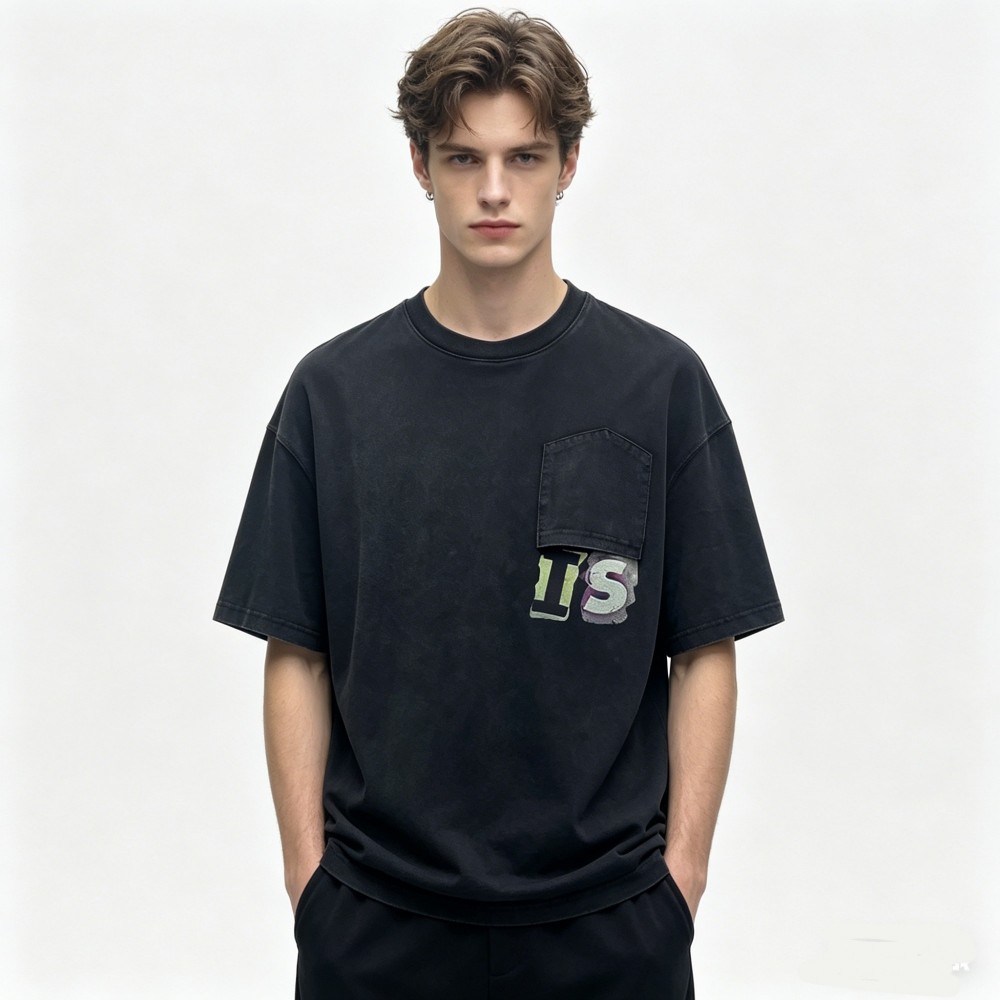
The difference between a poorly executed vintage graphic tee and an authentic-looking one often comes down to fabric preparation, dye chemistry, and mechanical aging techniques. Manufacturers and designers who understand these processes can create vintage graphic tee products that command premium pricing and build loyal customer bases. This guide explores the proven fabric treatments that define authentic vintage graphic tee craftsmanship.
Stone washing remains one of the most effective techniques for achieving the core faded aesthetic of a vintage graphic tee. This process involves tumbling garments with volcanic pumice stone or ceramic stones in large industrial washing machines, which creates micro-abrasions across the fabric surface. When applied to a vintage graphic tee, stone washing removes surface dyes unevenly, creating that characteristic mottled, aged patina. The vintage graphic tee undergoes this treatment typically for 30 to 120 minutes depending on desired intensity, resulting in a garment that looks authentically weathered.
Enzymatic washing complements stone washing by breaking down cellulose fibers on the fabric surface. For a vintage graphic tee, enzymes like cellulase are introduced during the washing cycle, which softens the fiber structure and enhances the faded appearance. This combination of mechanical stone action and enzymatic fiber degradation creates the soft, supple hand feel that distinguishes a high-quality vintage graphic tee from newer-looking reproductions. The depth of fading in a vintage graphic tee can be precisely controlled by adjusting stone duration, enzyme concentration, and water temperature.
The intensity of fading in a vintage graphic tee must be calibrated carefully to maintain design legibility while achieving authenticity. A vintage graphic tee that has been over-washed may lose graphic visibility entirely, defeating the purpose of the design. Textile technicians managing this process for vintage graphic tee production typically conduct color-fastness tests and monitor loss-on-dye measurements to ensure the graphic remains visible while the base fabric achieves the desired vintage aesthetic. Multiple wash cycles at controlled temperatures allow manufacturers to create layered fading effects in a vintage graphic tee that mimic decades of natural aging.
Authentic vintage graphic tee pieces often display intentional or authentic-appearing damage—small holes, thin spots, and unraveled seams that suggest legitimate wear. Modern production of a vintage graphic tee employs mechanical distressing techniques including laser abrasion, rotary brushes, and knife-cutting methods to create these worn areas strategically. A vintage graphic tee designed with distressing near the graphic, collar edges, and hem creates visual interest while suggesting the garment has been loved and worn for years. The placement of distressed areas in a vintage graphic tee should appear random yet complementary to the overall design.
Laser distressing technology has revolutionized vintage graphic tee production by allowing precise control over hole size, depth, and pattern. Unlike crude mechanical methods, laser treatment on a vintage graphic tee can target specific areas with millimeter accuracy, creating the appearance of authentic wear without compromising structural integrity in undesired locations. A high-quality vintage graphic tee may combine laser distressing on the chest area (where graphics typically wear first) with hand-finished fraying along the neckline and hem for maximum authenticity.
The edges of a vintage graphic tee contribute significantly to its perceived age and authenticity. Unlike crisp, industrial seaming on new garments, authentic vintage graphic tee pieces display soft, partially unraveled seams where threads have loosened over time. Modern vintage graphic tee production replicates this by crushing or scraping seam areas, then treating them with additional washing to encourage controlled fraying. A vintage graphic tee with properly executed hem and seam treatment appears as though it has been worn for several decades, not freshly manufactured weeks prior.
Controlled chlorine treatment creates dramatic fading effects in a vintage graphic tee, particularly when targeting specific color zones. Chlorine-based bleach breaks down dye molecules unevenly, creating streaks, blotches, and faded patches that characterize authentically aged garments. A vintage graphic tee treated with chlorine in localized areas—such as spray application or selective soaking—develops the uneven color distribution that signals genuine age. This treatment requires precise chemical handling since over-application can compromise fabric strength or create artificial-looking results that undermine the vintage graphic tee aesthetic.
The relationship between fabric fiber composition and chlorine response significantly impacts vintage graphic tee results. Cotton responds predictably to chlorine treatment, but blended fabrics containing polyester or elastane require more careful management. A vintage graphic tee produced from 100-percent cotton can tolerate more aggressive chlorine treatment while maintaining integrity, whereas synthetic blends may yellow or develop chemical-induced brittleness. Professional vintage graphic tee manufacturers conduct fiber analysis before specifying chemical treatments to ensure consistent, authentic results.
Reactive dyes and direct dyes age differently on fabric, and understanding these differences is crucial for creating an authentic vintage graphic tee. High-energy reactive dyes tend to fade more gradually under UV exposure, while direct dyes break down faster, creating the varied color loss visible in naturally aged garments. A vintage graphic tee designer might specify particular dye chemistry to control how the graphic and base fabric fade relative to one another, creating the layered color palette characteristic of genuinely vintage pieces. vintage graphic tee manufacturers work closely with dye suppliers to source chemicals that produce the desired aging characteristics.
Pre-washing in acidic or alkaline solutions can accelerate dye degradation in a vintage graphic tee, simulating sun exposure and age-related color shift. After printing, a vintage graphic tee might be treated with dilute acid or base solutions followed by additional heat setting cycles to lock in this aged appearance. This chemical aging approach in a vintage graphic tee offers reproducibility and consistency that natural weathering cannot achieve while maintaining the authentic visual signature of genuinely vintage pieces.
Stone washing creates mechanical abrasion that removes surface dyes unevenly, while enzymatic treatment softens fibers by breaking down cellulose. Together, these treatments in a vintage graphic tee production process create the mottled, faded appearance with soft hand feel that characterizes authentic aged garments. The combination allows manufacturers to achieve depth of fading while maintaining graphic visibility, something either treatment alone cannot accomplish as effectively in a vintage graphic tee.
Laser distressing provides precise, controlled hole creation with millimeter accuracy, while mechanical distressing using rotary brushes or knives offers less precision but potentially more authentic-looking wear patterns. For a vintage graphic tee, laser methods allow strategic placement of wear in high-stress areas while maintaining garment integrity elsewhere. Mechanical methods may create more random, organic-appearing damage but require skilled operators to avoid compromising the vintage graphic tee's overall structure or design.
Chemical aging accelerates dye degradation to simulate sun exposure, but it cannot perfectly replicate the uneven fading patterns that occur naturally over decades. However, combining chlorine treatment, reactive dye selection, and heat exposure can create convincing fading effects in a vintage graphic tee that closely resemble authentic age. Modern production techniques allow manufacturers to produce vintage graphic tee pieces that visually read as aged while maintaining the consistency and quality control requirements of commercial production.
2026/10/24
Struggling to style vintage graphic tees without looking dated? Discover proven layering, fit, and color strategies for authentic modern streetwear. Get the look now.

2026/10/16
Struggling to choose between screen printing and DTG for your vintage graphic tee line? Compare durability, authenticity & design flexibility—make the right production decision.

2026/10/08
Struggling to style a streetwear hoodie without looking sloppy? Master proportion, color, layering & context for polished casual outfits. Get expert styling tips now.

2026/10/12
Why do garment-dyed vintage graphic tees look authentically faded? Discover how dye chemistry, overdyeing, and post-wash treatments create real-looking wear.

2026/09/24
What fabrics & specs matter most? Discover cotton-blend ratios, ounce weights, dyeing standards, and QC benchmarks to vet streetwear hoodie suppliers.