 EN
How can you style a vintage graphic tee for a modern streetwear look?
2026/10/24
Struggling to style vintage graphic tees without looking dated? Discover proven layering, fit, and color strategies for authentic modern streetwear. Get the look now.

2026/10/12

The appeal of a vintage graphic tee lies in its weathered character, muted colors, and the sense that it has lived a storied life. Garment dyeing plays a crucial role in creating and shaping this distinctive aesthetic, influencing how a vintage graphic tee achieves its faded, comfortable appearance. Understanding the relationship between garment dyeing and the final look of a vintage graphic tee helps manufacturers, designers, and consumers grasp why some tees develop that coveted worn-in patina while others appear artificially aged.
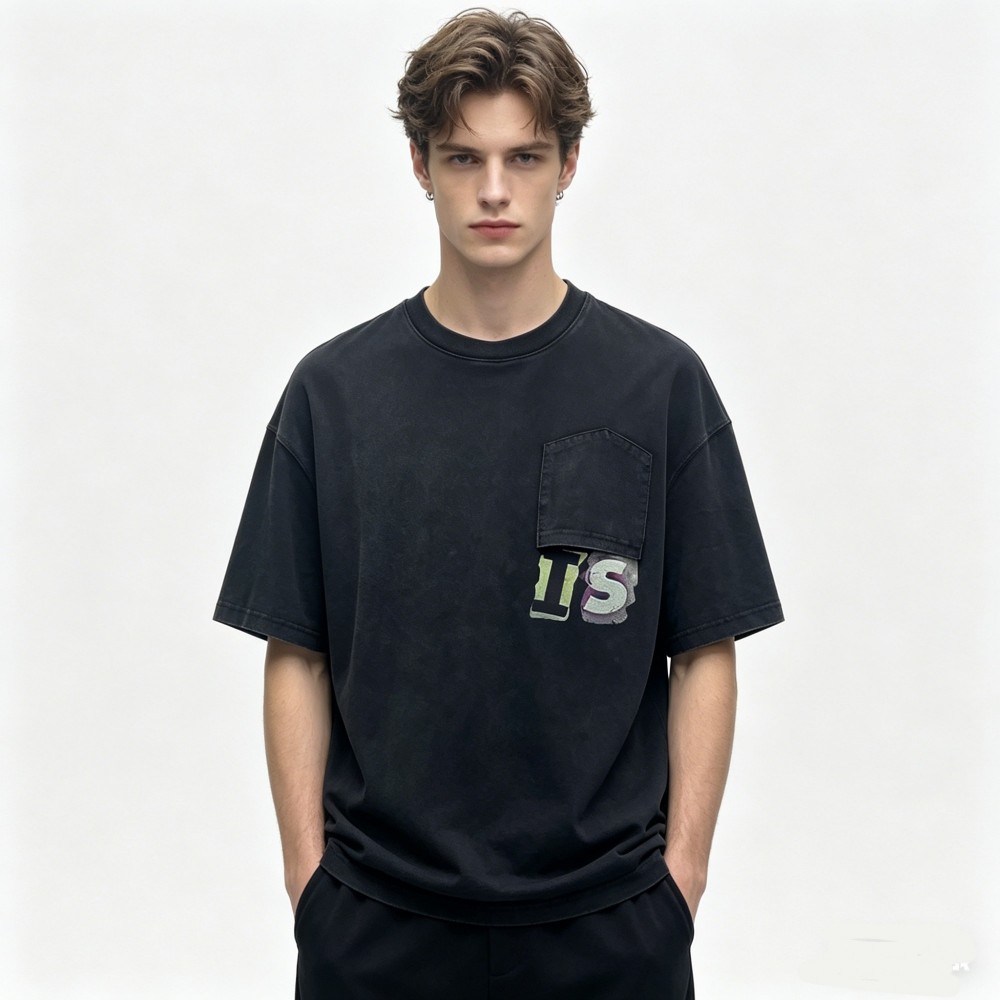
Garment dyeing is the process of dyeing finished apparel rather than dyeing the fabric before construction. This method fundamentally changes how a vintage graphic tee develops its color profile and visual texture. Unlike piece dyeing or yarn dyeing, garment dyeing applied to a completed vintage graphic tee allows dyes to interact with existing graphic prints, seams, and the entire constructed garment uniformly, creating subtle variations that enhance authenticity and depth.
When garment dyeing is applied to a vintage graphic tee, the dye molecules penetrate the fiber structure of the cotton or blend fabric, but they do so irregularly across the entire garment. Areas with tighter weaves or thicker seams absorb dye differently than lighter areas, naturally producing color variation that mimics genuine aging. This uneven dye absorption is what makes a properly dyed vintage graphic tee look authentically faded rather than uniformly dull. The graphic print itself often resists dye penetration, causing the printed areas to appear lighter or more muted than the unprinted base fabric, which is a hallmark of the vintage aesthetic.
The timing and intensity of garment dyeing significantly affect how a vintage graphic tee's print appears in the final product. If a vintage graphic tee is dyed before printing, the graphic retains more contrast. If dyed after printing, the dye can soften the graphic edges, creating a subtle, worn appearance that suggests years of washing and fading. Many manufacturers choose post-print dyeing for a vintage graphic tee specifically because it achieves that desirable faded, ghosted effect without looking like an obvious artificial treatment. This approach makes the vintage graphic tee feel authentic, as if it naturally acquired its muted tone through genuine use.
Reactive dyes form covalent bonds with cotton fibers, making them ideal for a vintage graphic tee that requires long-lasting color stability. Reactive dyeing of a vintage graphic tee produces rich, deep colors that fade gradually and predictably over time, contributing to the authentic worn-in appearance collectors seek. The chemical permanence of reactive dyes ensures that a vintage graphic tee will maintain color integrity through repeated washing while still developing natural patina. Because reactive dyes bond directly to the fiber, they create that characteristic softness and natural hand-feel expected in a quality vintage graphic tee, while still allowing the faded aesthetic to develop authentically.
Sulfur dyes are commonly used in garment dyeing processes for a vintage graphic tee because they produce naturalistic, earthy tones that feel inherently vintage. These dyes create color variation and depth within a single vintage graphic tee, as sulfur dye molecules distribute unevenly across cotton fibers, mimicking how genuine aging creates visual interest. A vintage graphic tee dyed with sulfur-based processes tends to have more visual complexity and textural depth than uniformly dyed garments. The fading pattern of a sulfur-dyed vintage graphic tee appears more organic because the dye chemistry itself creates micro-variations in color intensity, producing that treasured weathered look without aggressive chemical washing.
Overdyeing is a deliberate technique where garment dyeing of a vintage graphic tee occurs in multiple stages or with multiple dye baths. Each overdye layer on a vintage graphic tee adds complexity to the final color while slightly reducing intensity, creating the stratified, faded appearance that distinguishes premium vintage pieces. When a vintage graphic tee undergoes overdyeing, the cumulative effect produces color depth that single-dye processes cannot achieve. The graphic print on a vintage graphic tee becomes progressively softer with each overdye application, reinforcing the impression that the tee has weathered years of wear and environmental exposure.
Chemical treatments applied after garment dyeing of a vintage graphic tee—such as stone washing, enzyme washing, or acid washing—further modify the final faded appearance. These post-dyeing treatments interact with the newly applied dyes on a vintage graphic tee, selectively lifting color from high-wear areas and creating authentic-looking variations. A vintage graphic tee subjected to gentle chemical finishing after garment dyeing achieves that convincing aged patina where the graphic appears noticeably lighter than the shirt body, much like a genuinely old garment. The combination of precise garment dyeing followed by controlled chemical processing is what separates authentic-feeling vintage graphic tee reproductions from obviously artificial retro wear.
Garment dyeing of a vintage graphic tee introduces inherent variation between batches and even between individual garments within a batch, which paradoxically enhances authenticity. Manufacturers managing vintage graphic tee production must accept and even celebrate this variation as a hallmark of genuine vintage-style manufacturing. A premium vintage graphic tee acknowledges that garment dyeing processes create natural differences in shade and fading pattern, making each piece unique. This batch-to-batch variation in a vintage graphic tee mimics how authentic vintage pieces from the 1980s or 1990s came from different production runs with slight color differences, rather than the uniform consistency of mass-produced modern apparel.
The garment dyeing method used for a vintage graphic tee must be compatible with the screen-printed or direct-to-garment graphic to prevent dye migration or print degradation. High-quality vintage graphic tee manufacturers carefully select dye temperatures and chemistry to ensure the print remains crisp during the dyeing process while still achieving the desired faded effect. Screen-printed graphics on a vintage graphic tee can actually become more sophisticated when subjected to proper garment dyeing because the interaction between dye and print creates subtle color layering. Post-dyeing testing ensures that a vintage graphic tee print withstands washing cycles and maintains visual integrity while gradually fading in a natural pattern that adds to its vintage appeal.
Garment dyeing creates uneven color distribution and subtle variations that replicate how genuine aged apparel develops character through wear. When a finished vintage graphic tee is dyed rather than dyed before construction, the completed seams, hems, and graphic prints interact with dye differently, producing the visual complexity that authentic vintage pieces possess. This natural-looking variation makes a vintage graphic tee feel authentically worn rather than artificially treated.
Garment dyeing creates permanent color bonds with cotton fibers, making it difficult to reverse. However, chemical treatments like bleach washing can selectively fade areas of a vintage graphic tee after dyeing. Some vintage graphic tee collectors appreciate this additional aging process as it deepens the authentic appearance, though aggressive chemical treatment risks damaging both fabric and print. Professional restoration or re-dyeing can modify a vintage graphic tee's appearance, but this requires expertise to maintain authenticity.
Garment dyeing of a vintage graphic tee requires precise control, quality materials, and often multiple processing steps or overdyeing applications. The labor, chemical costs, and careful monitoring needed to achieve authentic faded aesthetics on a vintage graphic tee justify higher pricing compared to pre-dyed fabric approaches. Additionally, batch variation and individual piece uniqueness in a vintage graphic tee mean lower yield rates and reduced standardization, increasing per-unit costs while enhancing perceived value among collectors seeking genuine vintage-style authenticity.
2026/10/24
Struggling to style vintage graphic tees without looking dated? Discover proven layering, fit, and color strategies for authentic modern streetwear. Get the look now.

2026/10/12
What fabric treatments create real vintage graphic tee looks? Discover stone washing, enzymatic aging, laser distressing & chemical fading—proven methods for authentic wear.

2026/10/16
Struggling to choose between screen printing and DTG for your vintage graphic tee line? Compare durability, authenticity & design flexibility—make the right production decision.

2026/10/08
Struggling to style a streetwear hoodie without looking sloppy? Master proportion, color, layering & context for polished casual outfits. Get expert styling tips now.

2026/09/24
What fabrics & specs matter most? Discover cotton-blend ratios, ounce weights, dyeing standards, and QC benchmarks to vet streetwear hoodie suppliers.